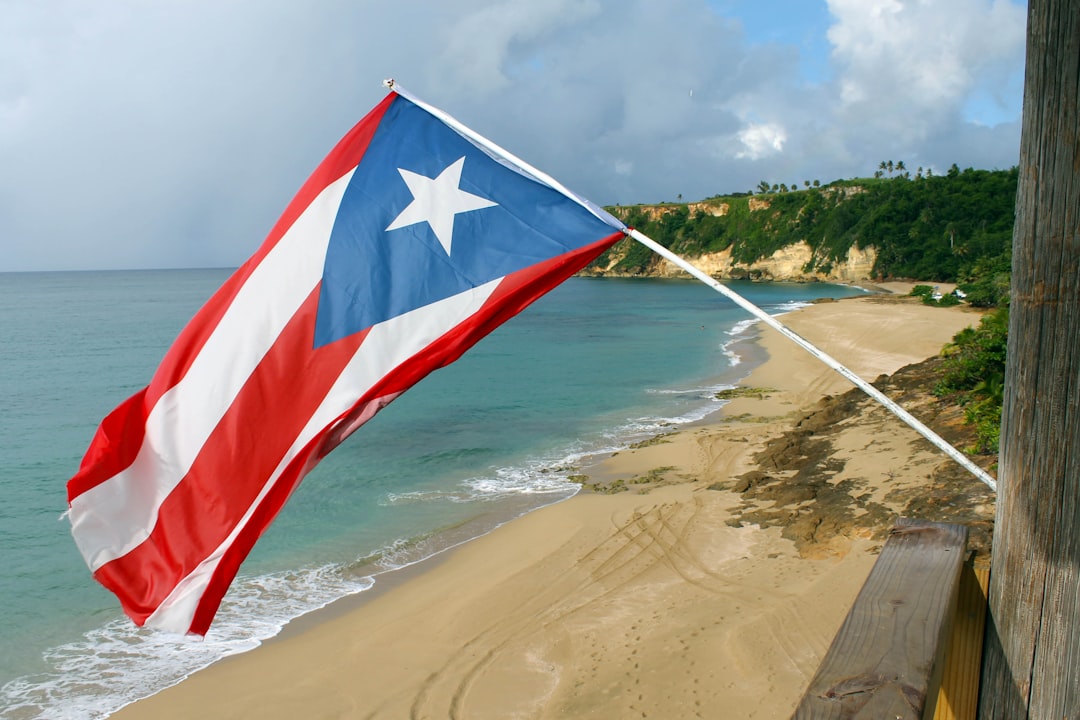
A Colorado high school senior planning their first solo trip to Puerto Rico is questioning whether traveling alone straight out of high school is naive. With Spanish fluency and family travel experience, they represent a growing trend of Gen Z travelers taking gap trips before university.
"I'm worried that I'm overestimating my ability to tread water on my own," the student wrote on r/solotravel, seeking reassurance about the ambitious plan. Their Puerto Rican Spanish teacher said it would be "very doable," but the question reflects anxieties common to first-time solo travelers of any age.
Puerto Rico: the ideal starter destination
For young American solo travelers, Puerto Rico occupies a unique sweet spot: culturally distinct from the mainland US, but without the logistical barriers of international travel.
As a US territory, Puerto Rico requires no passport for American citizens, uses the US dollar, and maintains familiar infrastructure like recognizable bank ATMs and emergency services accessible in English. Cell phones work on domestic plans without international roaming charges.
But the island offers genuinely foreign experiences: Spanish as the primary language, distinct Caribbean culture, and landscapes ranging from El Yunque rainforest to bioluminescent bays. You get the challenge and growth of solo travel with safety nets that international destinations don't provide.
The Spanish advantage
The student's Spanish fluency fundamentally changes the experience. While many Puerto Ricans speak English (especially in tourist areas like San Juan's Old City), traveling beyond the tourist zones requires functional Spanish.
Speaking Spanish unlocks local experiences, helps in problem-solving situations, and signals respect for local culture. It also dramatically reduces the isolation that many young solo travelers experience when they can't communicate with locals beyond basic transactions.
Safety considerations for young travelers