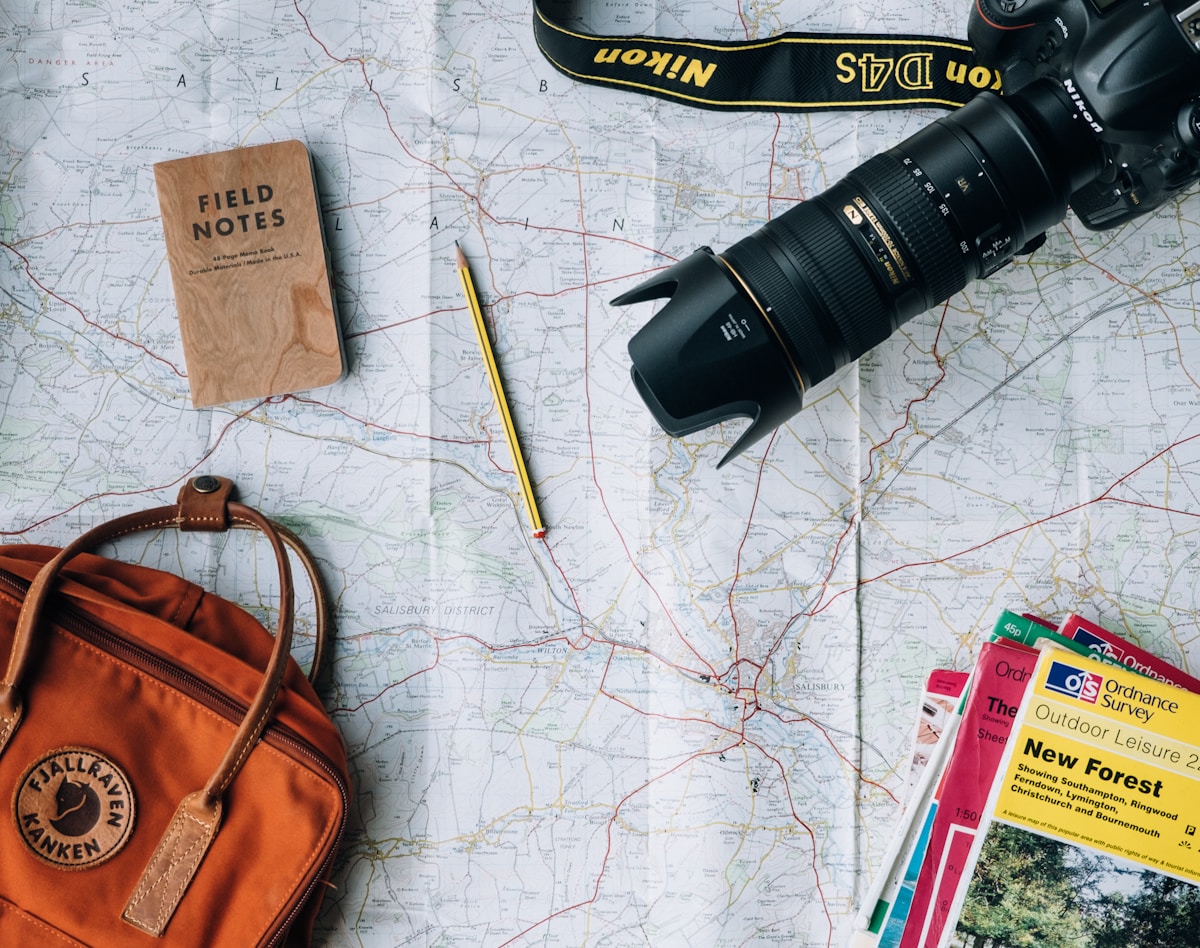
A Canadian backpacker planning six months of flexible travel through Asia is hitting a common anxiety-inducing stumbling block: the onward ticket requirement.
The plan is classic long-term backpacker style - book flights as you go, stay flexible, move based on weather and vibes rather than rigid itineraries. But immigration rules in many countries require proof of onward travel: a flight out of the country within your visa validity period.
The question that keeps backpackers up at night: Do countries actually enforce this, or is it just a technical requirement that nobody checks?
The frustrating answer: It depends.
Onward ticket requirements exist on paper for most Asian countries. Whether they're enforced in practice varies wildly by country, airline, airport, immigration officer mood, and your passport.
Who checks onward tickets?
Two entities care about whether you have an exit flight:
1. Airlines at departure. Before you even board your flight to Asia, check-in agents may ask to see proof of onward travel from your destination. They do this because they can be fined if they transport passengers who are denied entry. Risk-averse airlines (and agents) sometimes enforce rules more strictly than immigration officials themselves.
2. Immigration officers at arrival. When you land and queue for immigration, officers may ask to see your onward ticket as part of entry requirements. Some countries check systematically; others rarely ask unless something raises suspicion.
Which Asian countries actually enforce onward ticket rules?
Based on extensive backpacker reports and travel forum discussions:
Strictly enforced (expect to be asked): - Philippines - Very consistent enforcement at immigration - Indonesia - Often checked, especially Bali - Thailand - Increasingly strict, especially for visa-exempt entries - Malaysia - Frequently checked at immigration
Sometimes enforced (50/50 chance): - Vietnam - Depends on airport and visa type - Singapore - Sporadic checks - Cambodia - Rare but possible - Myanmar - Occasional checks
Rarely enforced (but technically required): - Laos - Almost never asked - Nepal - Very rare - Sri Lanka - Uncommon
Special cases: - China - Onward ticket often required and checked - Japan - Sometimes checked, especially for longer visa-exempt stays - South Korea - Occasionally enforced
What determines whether YOU get asked?
Passport strength matters. Travelers from countries with strong passports (Canada, US, UK, Australia, EU) get more benefit of the doubt. Weaker passports face stricter scrutiny.
Your appearance and demeanor. Unfortunately, immigration officers make snap judgments. If you look like a backpacker (young, casual clothing, large backpack), you're more likely to be asked. Business travelers in suits rarely get questioned.
Your travel history. A passport full of Southeast Asian stamps can work for or against you - it shows you know the region, but also might suggest you're living on tourist visas.
Entry point. Major international airports see higher volumes and sometimes more systematic checks. Land borders and smaller airports may be more relaxed.
Solutions for flexible travelers:
1. Book a refundable flight. Buy a fully refundable ticket out of the country (some airlines offer 24-hour free cancellation), show it at check-in and immigration, then cancel it once you're in. This works but requires upfront cash flow.
2. Use onward ticket rental services. Services like OnwardTicket.com or BestOnwardTicket.com let you "rent" a real flight reservation for 48 hours for $10-$15. You get a valid booking reference that passes verification, then it expires. Legal gray area, but widely used.
3. Buy the cheapest throwaway ticket. Find the absolute cheapest flight out of the country to anywhere - budget airlines often have $20-$40 flights. Buy it, show it, never use it. Wasteful but foolproof.
4. Book a cheap bus ticket to a neighboring country. For land border crossings, sometimes a bus ticket satisfies the requirement. Doesn't work for flights since airlines want to see an actual flight out.
5. Have a rough itinerary and book the first exit. If you know you'll be in Thailand for a month before moving to Vietnam, just book that Bangkok-Hanoi flight in advance. It reduces flexibility but eliminates stress.
6. Roll the dice. Many long-term backpackers simply don't have onward tickets and have never been asked. This works until it doesn't - and then you're denied boarding or entry.
The risk calculation:
Getting denied boarding at departure is more likely than being denied entry at immigration. Airlines are often stricter because they face penalties.
Getting denied entry is rare but devastating. You're put on the next flight back to your departure point at your expense, and you get an immigration violation stamp that complicates future travel.
For a six-month Asia trip, the smart play is: Have proof for the first country (buy the actual flight or use a rental service), then reassess at each subsequent destination based on known enforcement patterns.
Thailand or Philippines first? Book onward tickets. Laos or Nepal? Probably fine without.
The best travel isn't about the destination - it's about what you learn along the way. And sometimes what you learn is that bureaucracy is annoying but manageable - and a $15 rental ticket beats six months of worry.