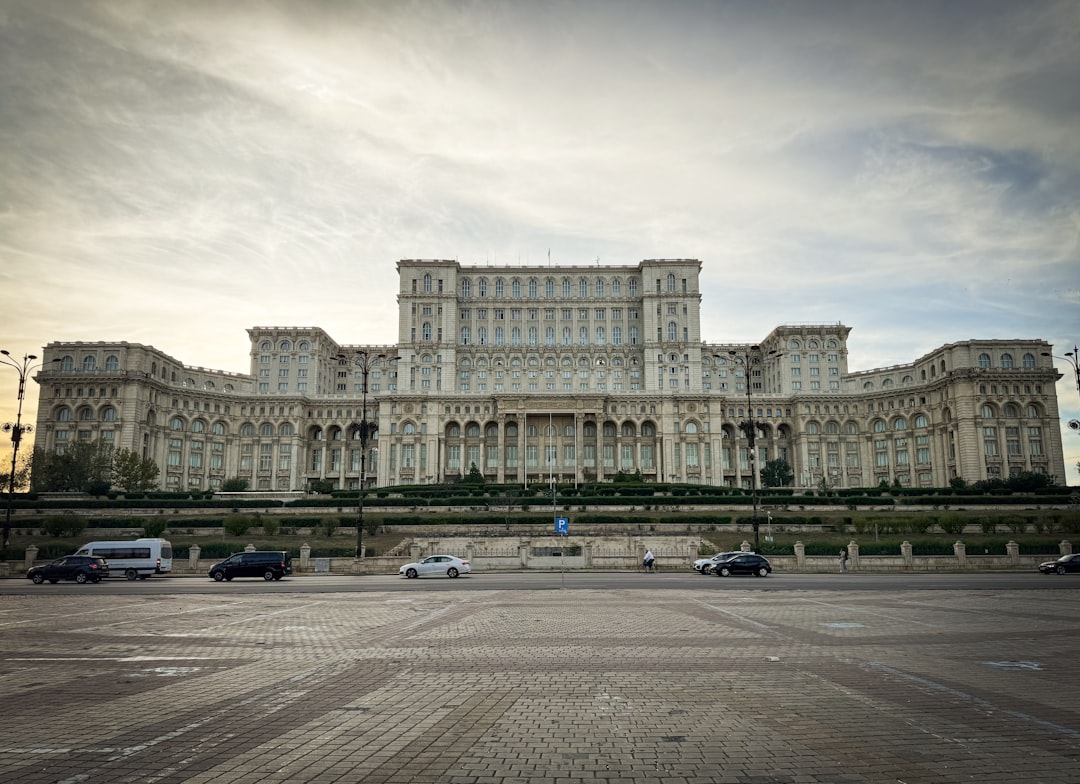
Romania's political landscape shifted dramatically on Sunday as the Social Democratic Party (PSD) announced a joint no-confidence motion with the far-right Alliance for Romanian Unity (AUR) against Prime Minister Ilie Bolojan's government, marking an unprecedented alliance that threatens billions of euros in EU funding and raises alarm bells about democratic backsliding across Eastern Europe.
The announcement, first reported by G4Media, came as Sorin Grindeanu, PSD's interim president, and George Simion, AUR's leader, jointly declared their intention to bring down the reformist coalition government. The parliamentary vote is scheduled for May 5, giving the unlikely partners just over a week to secure the 233 votes needed in Romania's 465-member parliament.
"Every journey begins with the first step," Marian Neacșu, a senior PSD figure, told reporters when asked about a potential PSD-AUR government. The cryptic statement confirmed what many Romanian observers had long suspected but few believed possible: that the country's largest center-left party would openly collaborate with a formation that European institutions have classified as extremist.
The mathematics are tight but achievable. PSD controls 129 parliamentary seats while AUR holds 90, giving them 219 votes—14 short of the threshold. Both parties are betting that smaller formations or individual MPs from other groups will break ranks, particularly those facing pressure over lucrative positions in state-owned companies or regional administrations that Bolojan's government has targeted for reform.
<h2>Markets React, Brussels Watches</h2>
Financial markets responded immediately to the political turbulence. Romania's 10-year government bonds saw yields spike to 7.3 percent, reflecting investor concern about the country's ability to implement the fiscal consolidation measures required under its excessive deficit procedure with the European Commission. For a country that has struggled with borrowing costs since its post-pandemic spending surge, the timing could hardly be worse.
"We are very worried about recent developments in Romania," Manfred Weber, president of the European People's Party, said in a statement that will resonate in Bucharest. The concern is well-founded: approximately €7 billion in EU recovery funds and additional allocations under the SAFE program depend on Romania implementing reforms to state-owned enterprises, energy sector governance, and anti-corruption measures—precisely the reforms that PSD and AUR now oppose.
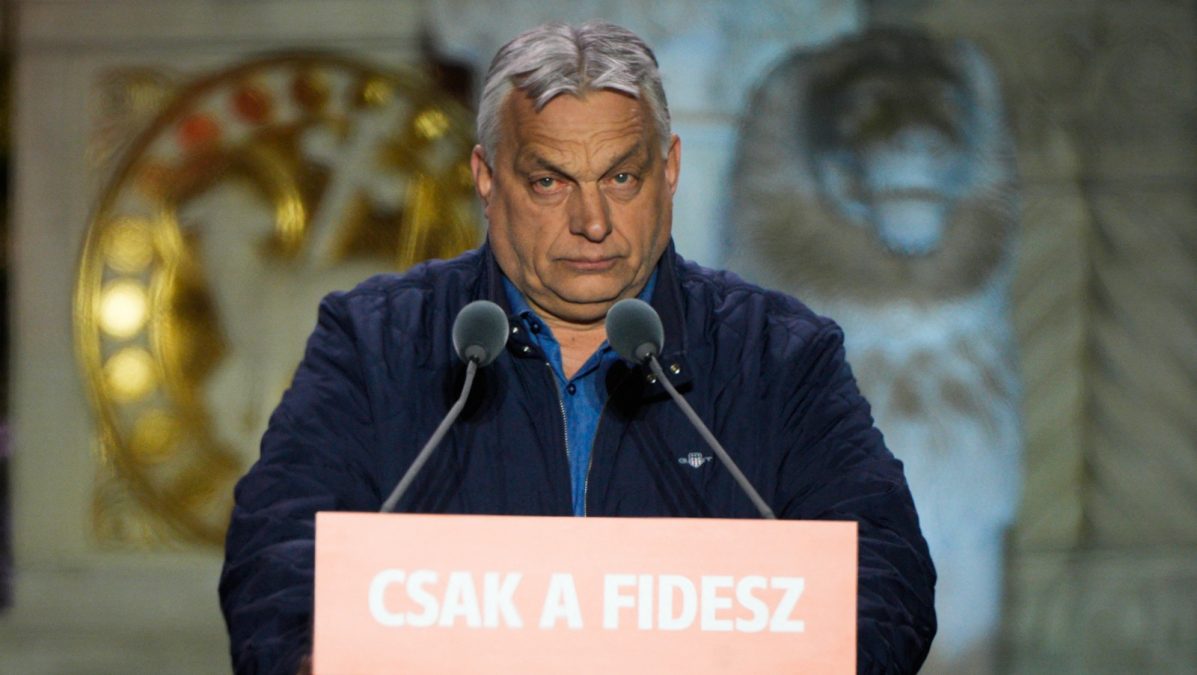
In Romania, as across Eastern Europe, the transition is not over—it's ongoing. The PSD-AUR alliance represents a familiar pattern: established parties threatened by reform turn to populist or nationalist forces to preserve patronage networks. Hungary saw a version of this when Viktor Orbán's Fidesz absorbed far-right rhetoric to consolidate power. Poland experienced it during the Law and Justice government's conflicts with Brussels over judicial independence.
<h2>A Year of Broken Promises</h2>
The political about-face is particularly striking given AUR's previous rhetoric. Just one year ago, George Simion personally commented on social media that he would "never" form an alliance with PSD, dismissing such suggestions as misguided. Romanian social media erupted with evidence of the contradiction, with users posting screenshots of Simion's earlier denials alongside Sunday's announcement.
"Simion left it in writing, like the VAT receipt of our President," one popular Romania subreddit post noted sarcastically, referring to a previous political scandal. "He was banking on our short memory. AUR is PSD. AUR is a party, the son of PSD, born from the FSN [the post-communist party], corruption from corruption, lie from lie."
The comparison to the FSN—the National Salvation Front that emerged from the 1989 revolution and birthed Romania's current political establishment—cuts deep. For many Romanians who came of age during the country's difficult EU accession process, the idea that a nominally nationalist party would ally with the very establishment it claimed to oppose confirms long-held suspicions about AUR's origins and financing.
<h2>What Happens Next</h2>
President Nicușor Dan, who won office last year on a reformist platform, has already stated he would not nominate a prime minister supported by both PSD and AUR, setting up a potential constitutional crisis if the motion passes. The coalition parties—the National Liberal Party (PNL), the Save Romania Union (USR), and the Democratic Union of Hungarians in Romania (UDMR)—have pledged to vote against the motion and maintain support for Bolojan.
But the pressure points are clear. Grindeanu has already called on PSD state secretaries and prefects to resign, signaling that the party is willing to sabotage government operations even before the formal vote. Bolojan, speaking at simultaneous consultations with the president, warned that blocking reforms now would cost Romania "decades of lost opportunities."
The international outlet Bloomberg framed the development starkly: "Romania's former governing party joins far-right bid to topple government." The headline captures what European officials fear most—that one of the EU's largest member states by population and a critical Black Sea nation for NATO's eastern flank could join Hungary and, until recently, Poland in the category of democracies under stress.
For Romania, a country that joined the European Union in 2007 but has struggled persistently with corruption concerns and delayed Schengen membership, the moment represents a crossroads. The reformist government has made genuine progress: prosecutions of high-level officials have increased, public procurement transparency has improved, and initial steps toward restructuring state-owned enterprises have begun. All of that is now at risk.
"The 'monstrous coalition,'" wrote analyst Florin Negruțiu in a widely-shared commentary, "is what Romanians voted for. All the effort we made last year, when we all paid a lot of money for budgetary adjustment, will be in vain." He continued with a darker warning: "Such regimes tend to become permanent and are difficult to remove through democratic elections."
As Bucharest awaits the May 5 vote, the question is not merely whether PSD and AUR can secure 14 additional votes. It is whether Romania, after 35 years of post-communist transition, will continue the difficult work of institutional reform or revert to the patronage politics that have defined much of its modern history. In Romania, as across Eastern Europe, the transition is not over—it's ongoing. And right now, it hangs in the balance.