A UK traveler's raw admission on r/solotravel is opening difficult conversations about the mental health side of travel that nobody talks about: severe post-travel depression and anxiety after returning from extended trips.
"I feel very anxious and sad, randomly crying too," wrote the backpacker who just returned from seven months traveling South America. "I know it's okay to feel hard emotions. But I didn't imagine this level of down and flatness."
The post describes a paradox familiar to many long-term travelers but rarely discussed openly: wanting to come home due to travel burnout, then experiencing crushing depression once home.
The Burnout-Depression Cycle
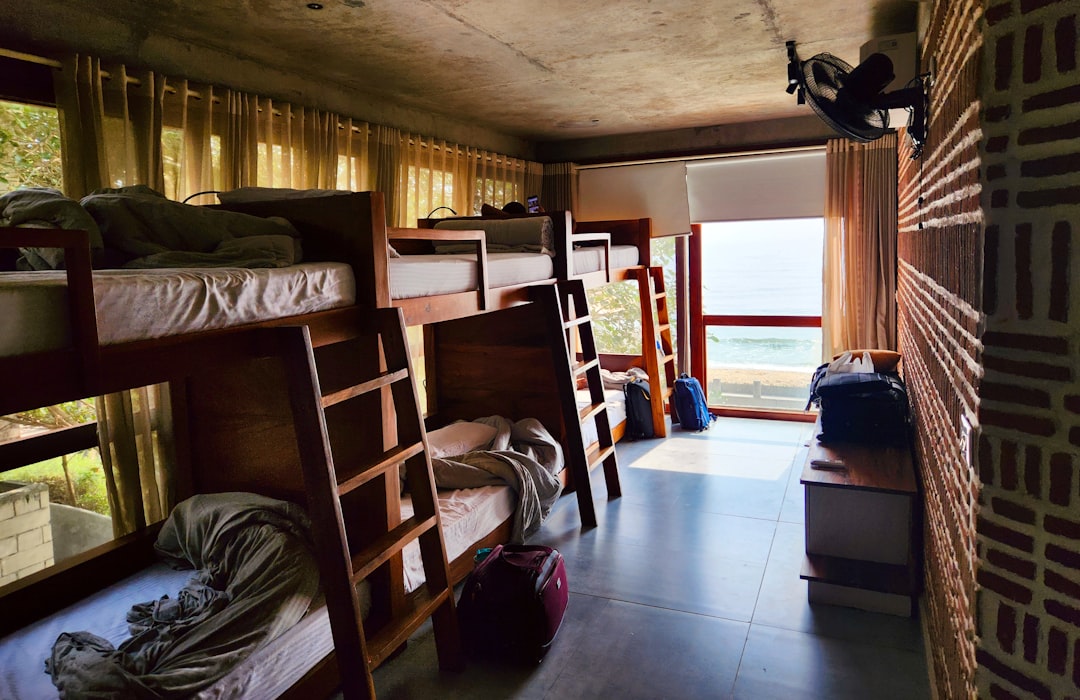
The traveler stayed in hostels, moved through five countries and approximately 20 cities/towns, while simultaneously running a private math tutoring business remotely — teaching students for GCSEs while backpacking.
This ambitious combination of travel and work led to burnout: "I wanted to come home because I was getting a bit burnt out and fed up of travelling."
Yet returning home brought even worse feelings: "I've got 0 motivation to do anything and nothing's stimulating me. I'm not searching for cheap dopamine either."
The distinction between healthy sadness and concerning depression appears in the intensity: the "random crying," the complete lack of stimulation, the motivational flatness that extends beyond normal post-trip blues.
Why Post-Travel Depression Hits Hard
While the traveler didn't detail their experience, post-travel depression research and traveler accounts identify common factors:
Identity Crisis: Seven months as "a traveler" creates a core identity that vanishes overnight upon return. The question "what am I now?" has no easy answer.
Stimulation Withdrawal: Constant novelty, daily problem-solving, and new environments create high stimulation levels. Home life's predictability feels intensely boring by comparison.
Purpose Loss: Extended travel provides clear daily purpose: navigate to next destination, find accommodation, explore new place. Home offers no equivalent structure.
Social Disconnection: Friends and family haven't shared the transformative experiences. Attempts to share feel hollow when others can't relate. Meanwhile, the deep but temporary hostel friendships have ended.
The Reality Gap: Home looks different after extended absence. Things that seemed normal before travel now feel confining or meaningless.
The Work Dimension
Maintaining a tutoring business while traveling added complexity. The poster may have associated their work with the freedom and adventure of travel. Now that work continues in the UK without the travel component, it may feel like all the effort with none of the reward.
This dynamic affects digital nomads particularly hard: they return to the same work but in environments that feel like cages after months of location freedom.
The Timeline Question
How long does post-travel depression last? The research varies, but anecdotal evidence from long-term travelers suggests: - 2-4 weeks: Acute phase with strongest emotional difficulty - 1-3 months: Gradual adaptation and motivation return - 6+ months: Occasional resurgence, particularly triggered by travel content or memories
Some travelers report taking a full year to feel fully readjusted after extended trips, particularly when travel exceeded six months.
What Helps (and Doesn't)
Common advice for post-travel depression:
Don't minimize it: "It's just post-trip blues" undersells genuine mental health impact.
Maintain routines: Creating structure helps replace the daily purpose travel provided.
Process experiences: Journaling, photo organization, or blogging helps integrate the journey rather than compartmentalizing it.
Connect with other long-term travelers: They understand in ways non-travelers can't.
Plan (but don't escape): Planning future travel can help, but using it purely to avoid present reality worsens depression.
Seek professional help: If symptoms persist beyond 4-6 weeks or include suicidal ideation, professional mental health support matters.
The Silence Problem
Post-travel depression remains under-discussed because it contradicts travel's aspirational narrative. Gap years, sabbaticals, and backpacking are framed as wholly positive experiences. Admitting severe depression afterward feels like admitting failure or ungratefulness.
This silence leaves travelers unprepared for the emotional impact of returning. Many report being blindsided by post-travel depression because nobody warned them it could happen.
The Longer-Term Question
Some travelers respond to post-travel depression by immediately planning the next trip, creating a cycle of perpetual travel to avoid facing home life challenges. This can work short-term but often indicates deeper issues with settling that may require addressing rather than escaping.
Others use the depression as catalyst for life changes: career pivots, relocations, or lifestyle restructuring to incorporate travel values into daily life.
The UK traveler's willingness to share their struggle publicly helps normalize these conversations. For anyone planning extended travel, understanding that coming home can be harder than leaving is crucial preparation for a sustainable relationship with long-term travel.