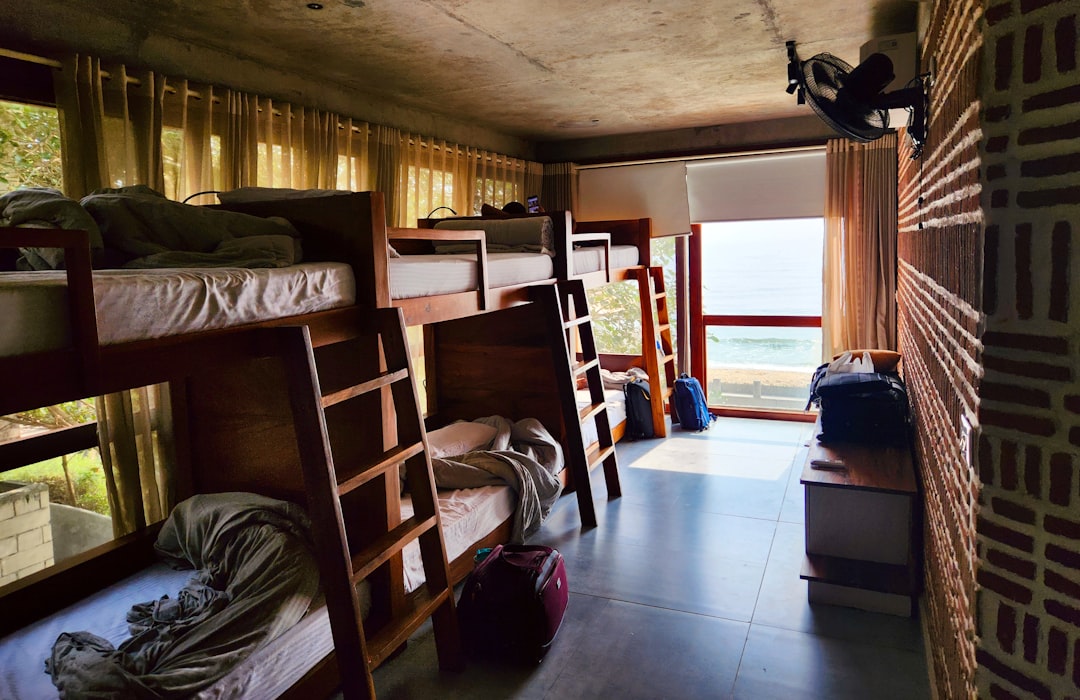
Despite hostels being a backpacker staple for decades, a nervous traveler's admission on r/travel reveals that anxiety about dormitory stays remains a major barrier to budget travel in 2026.
"I'm actually TERRIFIED," wrote the poster, who booked a hostel dormitory for summer travel with a friend on a "VERY tight budget." "I'm scared that one of my roommates might steal something from me when I'm away or when I'm asleep, or being attacked or something. I don't trust people easily and I'm very scared."
The post, which generated 33 responses, exposes a disconnect between experienced backpackers (for whom hostels are routine) and first-timers (for whom they represent genuine terror). Understanding why this fear persists — and addressing it with data rather than dismissal — matters for making budget travel accessible.
The Specific Fears
The poster articulated two primary concerns: 1. Theft: Items stolen while away from the room or while sleeping 2. Physical attack: Being harmed by roommates
These aren't irrational fears — both theft and assault can occur in hostels. The question is frequency versus perception.
What Actually Happens
While comprehensive hostel crime statistics don't exist, experienced traveler consensus from the thread and broader hostel communities suggests:
Theft: Opportunistic theft occurs, but dramatically less than feared. Most hostel theft involves: - Unlocked phone chargers left in common areas - Food taken from shared fridges - Toiletries borrowed without asking - Very rarely: valuables from unlocked bags
Violent crime: Extremely rare in reputable hostels. Sexual harassment occurs more frequently than physical assault, but both remain statistically uncommon compared to the millions of hostel nights booked annually.
The gap between fear and reality appears massive. First-time hostel anxiety typically far exceeds actual risk.
Why the Fear Persists
Several factors fuel hostel anxiety despite low actual crime rates:
Vulnerability of Sleep: Sleeping in a room with strangers triggers primal fear. Our ancestors who weren't cautious about where they slept didn't become ancestors.
Media Bias: Horror stories about hostel crime circulate widely. Positive experiences ("nothing happened") don't make compelling stories.
Loss of Control: You can't choose roommates or control who enters the room. This uncertainty feeds anxiety.
Cultural Norms: In many cultures, sharing sleeping spaces with strangers is extremely unusual outside hostels, making it feel inherently dangerous.
Practical Risk Reduction
The 33 responses to the anxious traveler likely included standard hostel safety advice:
Lockers: Nearly all hostels provide lockers (bring your own padlock). Use them religiously for valuables, documents, and electronics.
Hostel Selection: Read recent reviews obsessively. Well-reviewed hostels with active management rarely have serious problems. Avoid hostels with reviews mentioning theft or security issues.
Location: Hostel safety correlates with neighborhood safety. A great hostel in a sketchy area still carries risk.
Bed Choice: Top bunks near lockers provide slight security advantage — harder for someone to rifle through your stuff while you sleep.
Keep Essentials Close: Many travelers sleep with phone, wallet, and passport in a small bag used as a pillow. Stealing it requires waking you.
Female-Only Dorms: Many hostels offer women-only dorms for travelers uncomfortable in mixed spaces. This addresses harassment concerns more than theft.
Travel Insurance: Won't prevent theft but removes the financial terror of worst-case scenarios.
The First Night Hump
Experienced hostel travelers report that first-night anxiety is real and normal, but dissipates rapidly. By night three, most first-timers feel comfortable. By week two, they wonder what they were afraid of.
This adaptation suggests hostel fear is largely psychological rather than based on experience. The anticipation is worse than reality.
Alternatives for the Truly Terrified
For travelers whose anxiety won't budge:
Private Rooms: Many hostels offer private rooms at prices between dorms and hotels. Still budget-friendly while providing security.
Smaller Dorms: Four-bed dorms feel less anonymous than 12-bed dorms. Fewer roommates means easier social assessment.
Build Up Gradually: Start with one or two hostel nights near home before committing to entire trips in dorms.
The Social Trade-Off
What often gets lost in security discussions: hostels provide social opportunities impossible in hotels. Solo travelers meet other solo travelers. Spontaneous friendships form. Travel tips get shared. Some travelers' best trip memories come from hostel common rooms, not tourist sites.
For the poster traveling with a friend on a tight budget, hostels may prove not just safe but socially enriching — though that benefit only becomes apparent after conquering the initial terror.
The Final Reality Check
Millions of travelers stay in hostels annually without incident. The business model depends on safety — one serious crime can destroy a hostel's reputation permanently in the review-driven travel economy.
This doesn't mean zero risk. It means risk comparable to many daily activities we don't think twice about. The poster who "doesn't trust people easily" may find that hostel communities actually restore rather than damage that trust, one uneventful night at a time.