They spent a full year exploring Europe and North Africa with their children. New cultures, historic sites, incredible food—the kind of life-changing travel most people only dream about. Now they're back in North Florida, and everything feels unbearably flat.
"Nothing really feels interesting or worth doing," they wrote in a post on r/travel that resonated with thousands of long-term travelers. "Even activities people usually enjoy just feel kind of… flat."
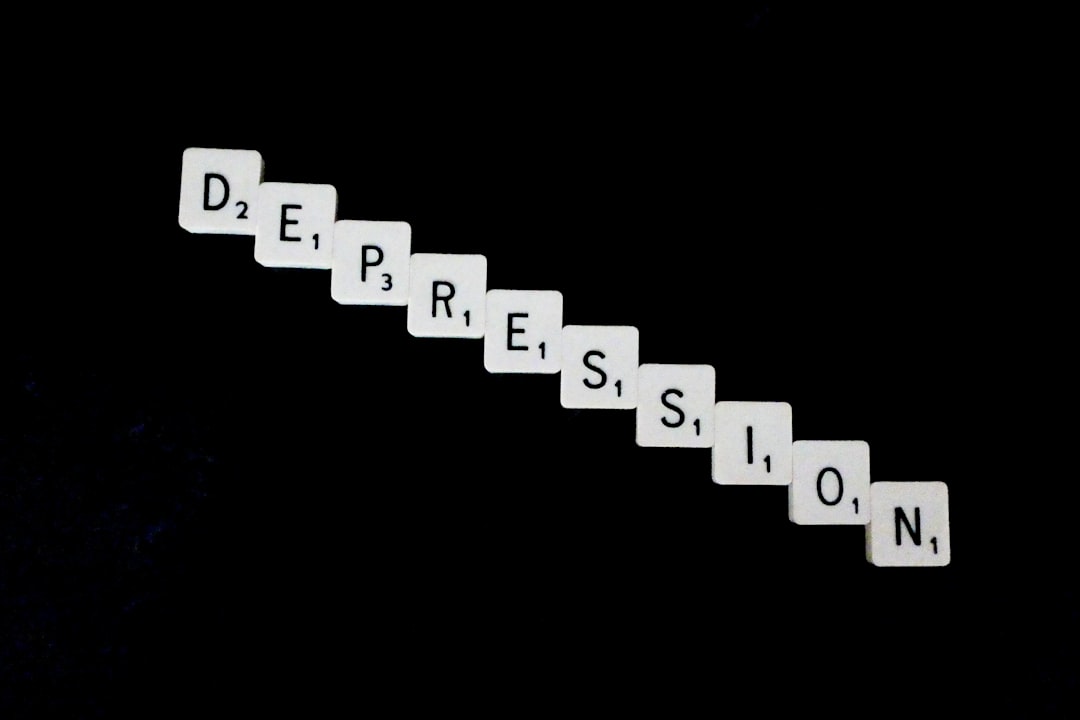
Welcome to post-travel depression—a psychological phenomenon that's more common than most travelers realize, and significantly harder to navigate than any visa application.
The clinical term is "reverse culture shock," and psychologists who study travel psychology say it can be just as disorienting as the initial culture shock of arriving in a foreign country—sometimes even worse.
According to the American Psychological Association, returning home after extended international experiences triggers a specific form of adjustment disorder characterized by restlessness, depression, and difficulty reconnecting with one's previous life.
The symptoms go beyond simple nostalgia. Travelers describe feeling "understimulated"—a telling word that captures how normal life can feel impossibly dull after months of constant novelty and exploration.
"We were constantly exploring—new cultures, history, landscapes, food, just life felt different and more engaging," the poster explained. "Now I'm back in a regular routine, and nothing really feels interesting."
This isn't just about missing croissants in Paris or sunsets in Marrakech. It's about the fundamental difference between a life structured around discovery and one structured around routine. When you're traveling, every day brings new challenges, new people, new experiences. Back home, Tuesday looks a lot like Wednesday, which looks a lot like Thursday.