For the first time in industrial history, recycled plastic is now cheaper than virgin resin—a market signal that could fundamentally reshape the $600 billion global plastics industry and accelerate the circular economy beyond environmentalists' wildest expectations.
The price inversion happened quietly in late March 2026, when recycled PET (polyethylene terephthalate) dropped to an average of $1,340 per ton while virgin PET resin climbed to $1,385 per ton. That 3.2% price advantage for recycled material represents a tipping point decades in the making.
The numbers don't lie: when recycled plastic is cheaper, companies use it not because it's good PR, but because it's good business. And that changes everything.
Several factors converged to create this shift. First, oil prices—which determine virgin plastic costs—have surged amid Middle East tensions, pushing up feedstock costs for petrochemical producers. Second, recycling technology has dramatically improved efficiency, with advanced sorting and chemical recycling processes reducing contamination and increasing yields. Third, carbon taxes in Europe and parts of Asia have added $50-80 per ton to virgin plastic production costs.
The beneficiaries are clear. Companies like Loop Industries, which operates chemical recycling facilities, have seen stock prices surge 47% since the price crossover. Traditional plastic producers like LyondellBasell and Dow Chemical are scrambling to acquire recycling capacity—LyondellBasell just announced a $2.1 billion investment in advanced recycling over the next three years.
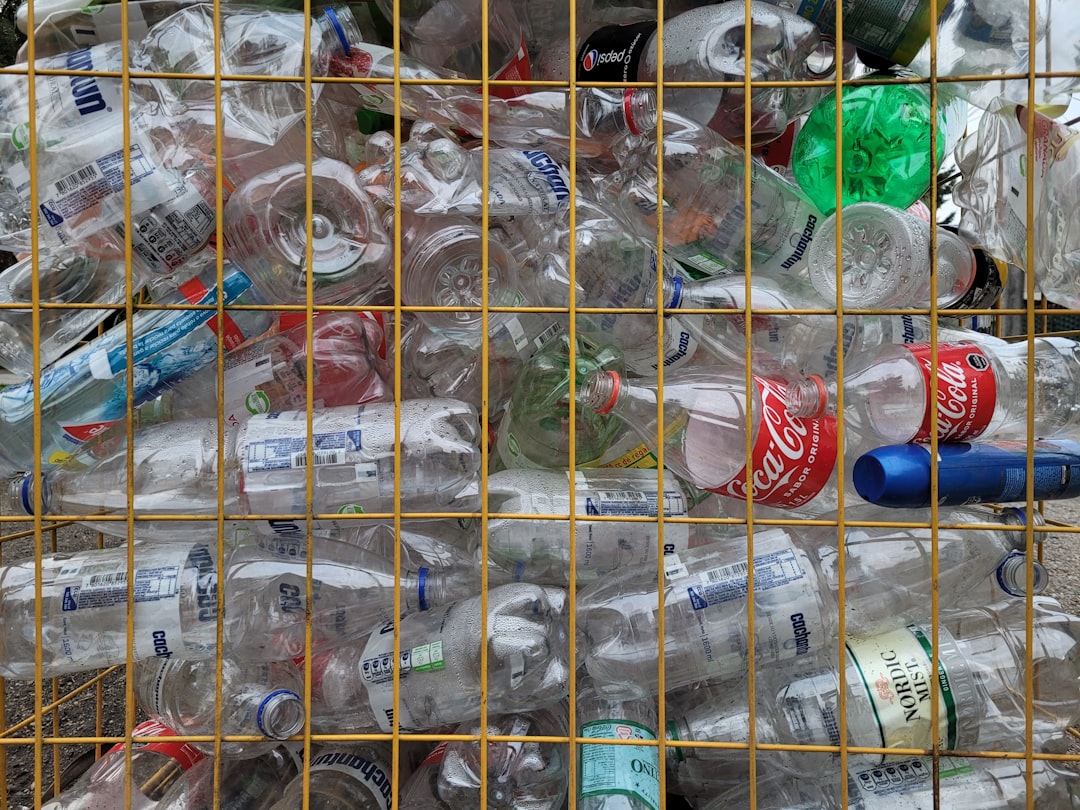
Consumer goods giants are moving fast. Coca-Cola announced it would shift to 50% recycled PET in all bottles by 2027, up from the previous target of 25%. Unilever committed to 100% recycled plastic in packaging by 2028. These aren't aspirational sustainability goals—they're cost-cutting measures that happen to be environmentally beneficial.