The escalating conflict with Iran is hitting airline balance sheets hard, with fuel costs spiking and threatening to wipe out profits for at least a quarter, according to analysis from former White House economic adviser Kevin Hassett.
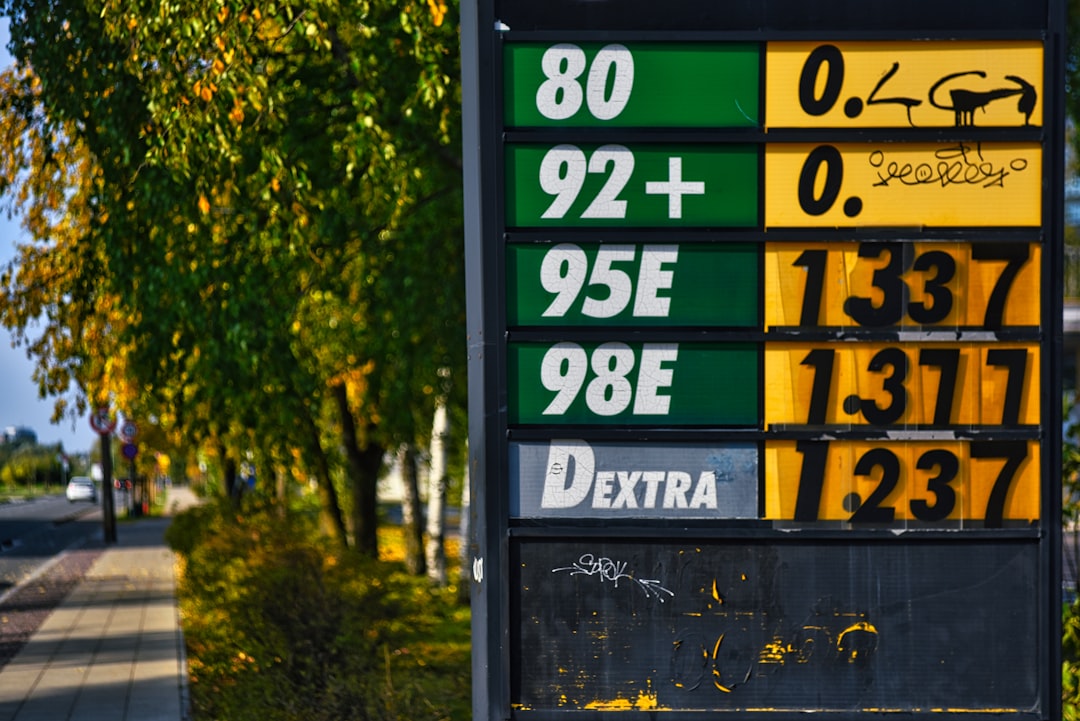
Jet fuel prices have surged 22% in the past two weeks as oil markets react to attacks on Gulf energy infrastructure and the closure of key shipping routes through the Strait of Hormuz. For an industry where fuel represents roughly 30-35% of operating costs, that's the difference between profit and loss.
The numbers are stark. United Airlines estimates that each $10 increase in the price of a barrel of oil costs the carrier approximately $350 million annually. With crude oil jumping from $88 to $112 per barrel in just 10 days, the math points to nearly $850 million in additional annual costs—assuming prices stabilize at current levels.
They won't. Energy traders are pricing in continued volatility, with some analysts predicting oil could hit $130 if the conflict escalates further or if Saudi Arabia's oil infrastructure faces attacks. That scenario would push jet fuel to levels not seen since 2022, when airlines were just recovering from pandemic losses.
"Energy shocks of this magnitude typically take at least a quarter to fully flow through to airline profitability," Hassett said in an interview. "We're looking at Q2 and possibly Q3 earnings taking significant hits across the sector."
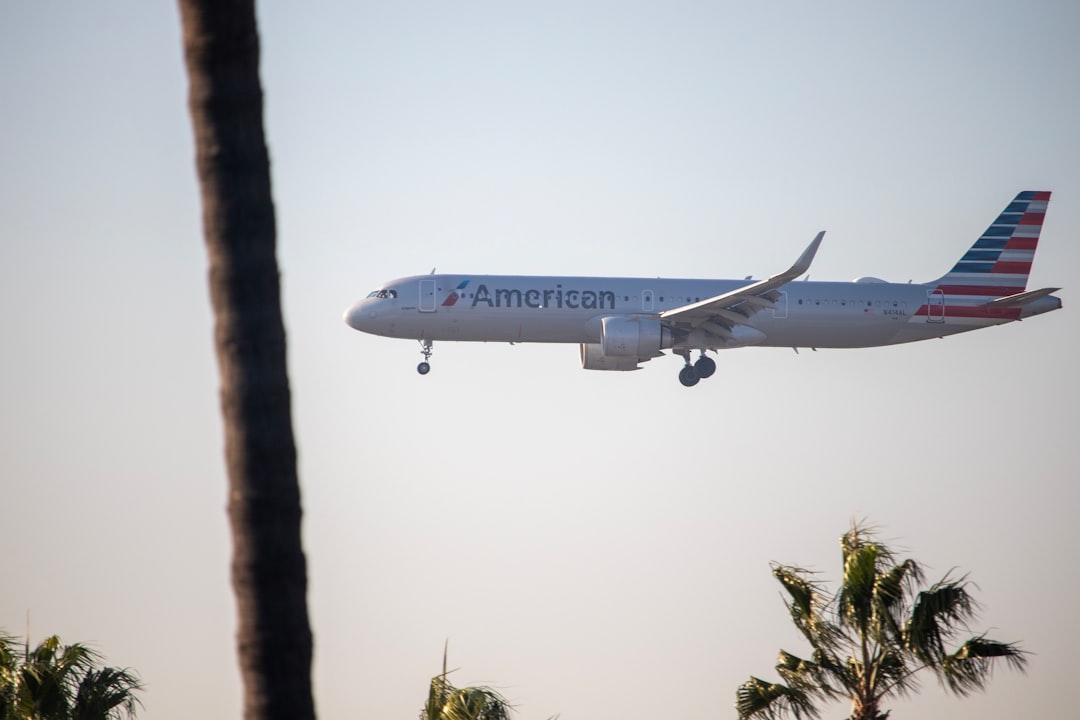
Delta Air Lines, American Airlines, and United have all implemented fuel surcharges on international routes, but those take weeks to materialize and don't fully offset the cost increases. Legacy carriers are particularly exposed—budget airlines like Southwest and Spirit typically hedge fuel costs months in advance, providing some near-term protection.
The hedging question reveals a crucial divide in airline strategy. Southwest has approximately 45% of its Q2 fuel consumption hedged at pre-crisis prices, while United sits at just 15%. That's the difference between weathering the storm and warning investors about lower earnings.
Wall Street has already started repricing airline stocks. The U.S. Global Jets ETF (JETS), which tracks the airline industry, has dropped 18% since tensions escalated on April 28. United is down 22%, American down 19%, and Delta down 16%—the kind of moves that signal investors expect material earnings misses.
The broader economic implications extend beyond airline profits. Higher fuel costs mean higher ticket prices, which dampens travel demand, which slows economic activity in tourism-dependent regions. Florida, Nevada, and Hawaii economies could see measurable impacts if summer travel season underperforms.
Some airlines are already cutting capacity. JetBlue announced it would reduce summer flights by 3%, citing "economic uncertainty and fuel volatility." That's corporate speak for "we can't make money flying these routes at current fuel prices."
Compare this to previous oil shocks: during the 2011 Arab Spring, when oil spiked to $125 per barrel, airlines collectively lost $8 billion in market value and several carriers required government assistance. The 2022 spike to $130 forced widespread capacity cuts and pushed already-struggling carriers like Spirit toward merger talks.
The timing couldn't be worse. Airlines just finished rebuilding their balance sheets after COVID-19 losses exceeded $200 billion industrywide. Many carriers still carry elevated debt loads from pandemic-era financing. Another prolonged crisis could force difficult choices about fleet retirement, route cuts, or even consolidation.
Cui bono? Defense contractors and oil producers, obviously. But also train and bus operators, as domestic travelers seek cheaper alternatives. Amtrak reported a 12% increase in bookings last week—a small data point that suggests consumer behavior is already shifting.
For now, airline executives are hoping for a quick diplomatic resolution. But hope isn't a strategy, and the numbers suggest this pain will last at least through summer. Investors should watch Q2 earnings closely—and maybe book those vacation flights sooner rather than later.