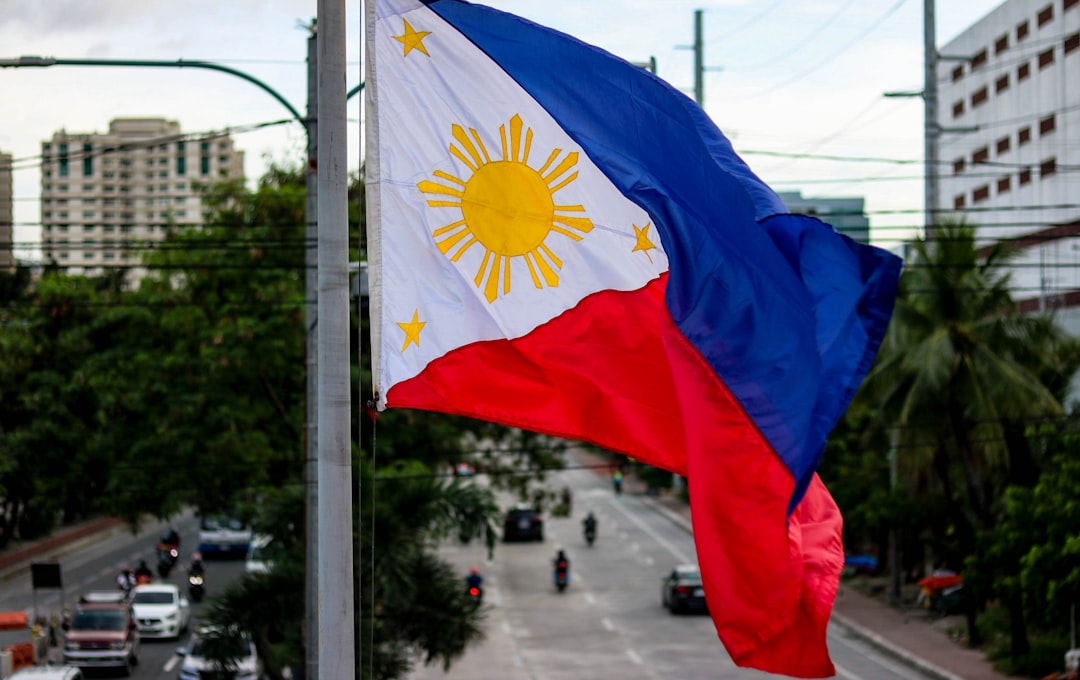
Protests erupted across Manila this week after President Ferdinand Marcos Jr.'s administration declared an energy emergency in response to supply disruptions and price spikes linked to escalating conflict in the Persian Gulf, demonstrating how distant wars translate directly into Southeast Asian household budgets.
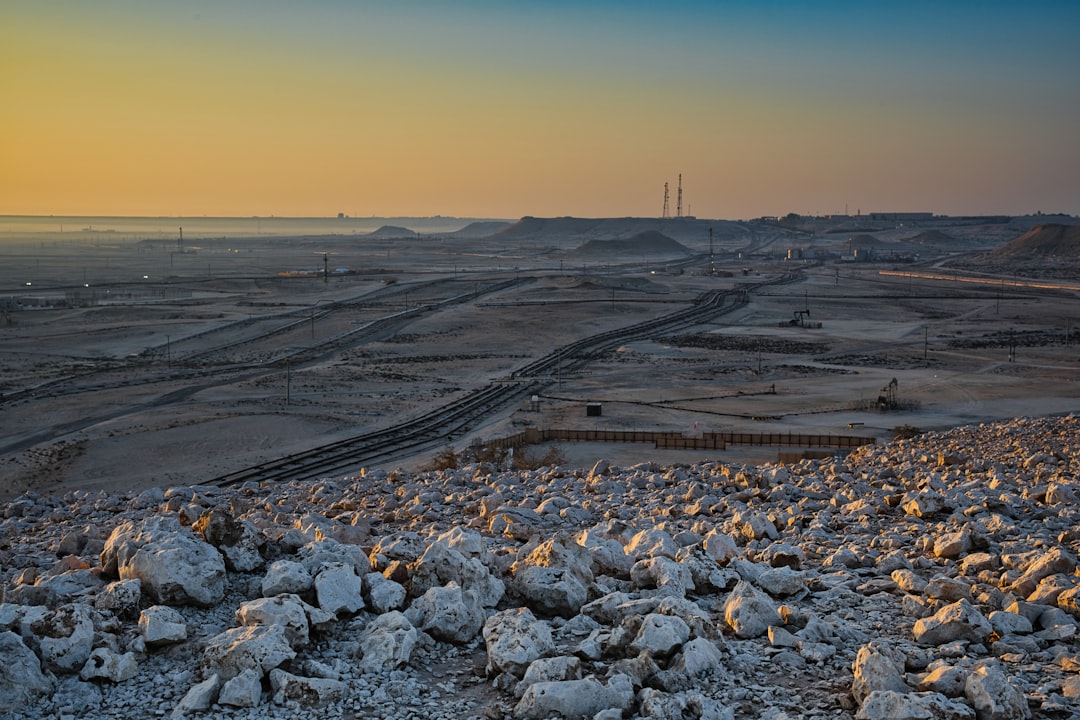
The declaration, which grants the government expanded authority to manage energy supply and pricing, comes as oil prices have surged above $95 per barrel following attacks on shipping in the Strait of Hormuz. The Philippines imports approximately 97 percent of its crude oil, with much of it transiting through Middle Eastern chokepoints now threatened by the Iran-Israel conflict.
Demonstrators, organized by transport worker unions and consumer groups, gathered outside the Department of Energy in Manila carrying signs demanding "No to emergency powers, Yes to price controls." Several hundred protesters blocked traffic on España Boulevard, chanting that the administration was using the crisis to benefit oil companies at consumer expense.
"Every peso increase at the pump takes food off our table," said Fernando Cruz, a jeepney driver from Quezon City, speaking to local media. "They declare an emergency, but we're the ones who pay."
The energy emergency allows the government to fast-track energy infrastructure projects, adjust fuel markups, and potentially impose rationing if shortages develop. Administration officials defended the move as prudent preparation, noting that Southeast Asia's most vulnerable economies could face severe disruptions if Middle East supply routes are compromised.
But the political optics are terrible. The Philippines economy is growing at 5.8 percent annually, yet inflation has eroded real wages for tricycle drivers, market vendors, and the urban working class that forms the backbone of transport and logistics. Diesel prices directly affect the cost of rice, vegetables, and all goods moved by truck or boat across the archipelago's 7,600 islands.