
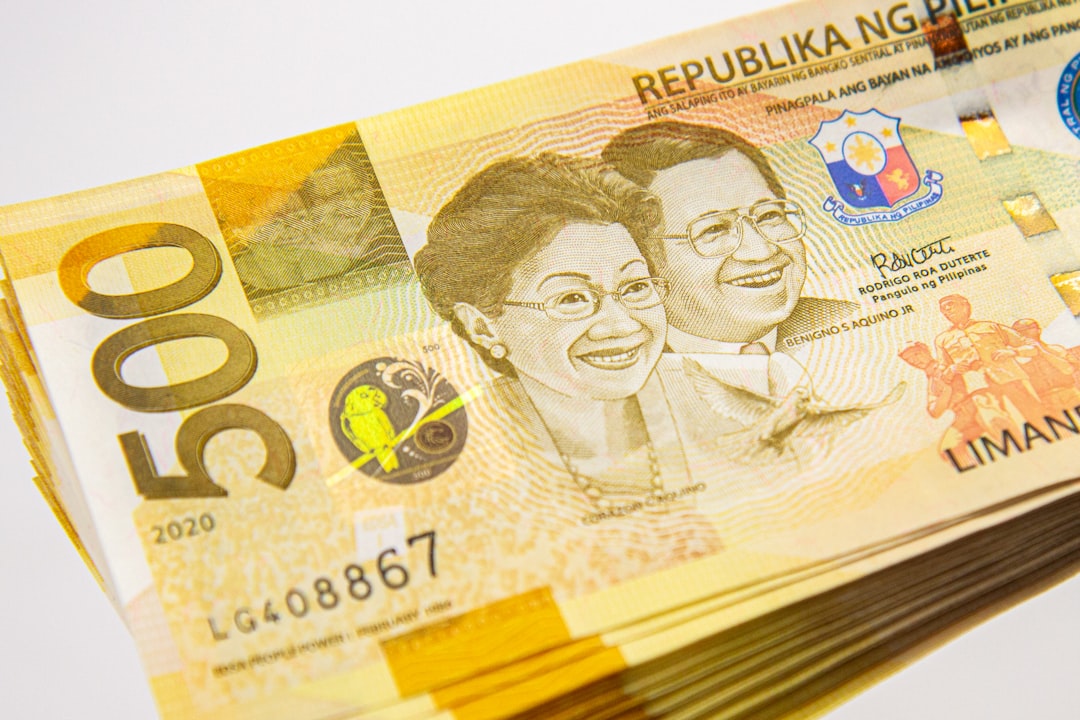
The Philippine peso has reached a historic low against the U.S. dollar, extending a regional currency rout that is squeezing import-dependent economies across Southeast Asia and forcing central banks into difficult policy choices.
The peso breached previous record lows this week, weakening past levels not seen in the currency's modern history as the dollar strengthened globally and investors reassessed emerging market exposure. The Indonesian rupiah and Thai baht have similarly weakened to multi-year lows, reflecting broad pressure on Asian currencies.
For ordinary Filipinos, the peso's decline translates directly into higher costs for fuel, imported food, and consumer goods. The Philippines imports roughly $120 billion annually—from crude oil and wheat to electronics and machinery—making the exchange rate a daily concern for households already squeezed by inflation running above the central bank's target range.
"Every centavo the peso falls adds to the cost of the diesel that powers jeepneys, the wheat that makes pandesal, the medicine imported from abroad," explained Dr. Cielito Habito, an economist at the Ateneo de Manila University. "Currency depreciation is a regressive tax that hits the poor hardest."
The Bangko Sentral ng Pilipinas faces a familiar emerging market dilemma: raise interest rates to defend the currency and attract foreign capital, or hold rates steady to support economic growth and employment. Higher rates increase borrowing costs for businesses and consumers, potentially slowing the recovery from pandemic disruptions.
The central bank has already burned through $8 billion in foreign reserves this year intervening to smooth the peso's decline, according to analysts tracking currency market operations. Those reserves, while still substantial at $107 billion, are finite, and excessive intervention risks depleting the ammunition needed for more severe crises.
The currency pressure reflects several global forces. The 's interest rate increases have made dollar assets more attractive, pulling capital from emerging markets. Geopolitical tensions and trade fragmentation have increased investor risk aversion. And 's economic slowdown has reduced demand for exports, weakening the region's terms of trade.