President John Mahama announced Ghana's ambitious National AI Strategy with the usual flourishes of a government keen to position itself as a technology leader. Outside the air-conditioned auditorium, however, a generator stood ready, because even major state events in Accra require backup power.
The disconnect captures Ghana's infrastructure paradox: big ambitions running on unreliable foundations.
The 80-page strategy document outlines eight pillars for AI development from 2023 to 2033, covering everything from talent development to ethical frameworks. Pillar three mentions "reliable power infrastructure" as essential for AI computing capacity. What the document does not mention anywhere is dumsor, the Ghanaian term for the rolling blackouts that have become a recurring feature of national life.
Yet dumsor will certainly have something to say about any AI computing hub requiring continuous electricity.
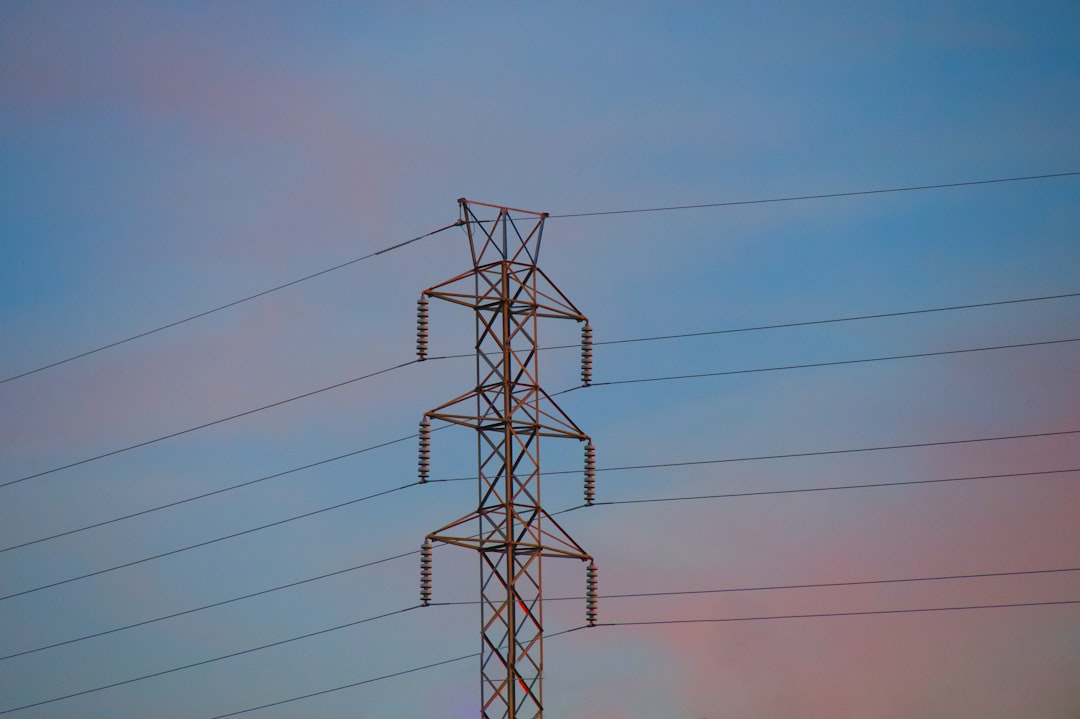
The morning before the AI strategy launch, a fire at GRIDCo's Akosombo Substation cut Ghana's power generation capacity by 1,000 megawatts. The timing was unfortunate but unsurprising. Ghana's electrical grid operates perpetually near capacity, vulnerable to any disruption. When a transformer fails or water levels drop at hydroelectric dams, the lights go out.
The launch event itself proceeded smoothly: bright screens, working microphones, no interruptions. The standby generator was not needed that day. It was present, as always, because no one trusts the national grid to keep running during important events.
Meanwhile, the Electricity Company of Ghana (ECG) published its April outage schedule: Teshie-Nungua, rotational groups A through E, five to six hours per group. Residents and businesses now plan their lives around these schedules. Charge phones during power hours. Run water pumps when electricity flows. Schedule meetings around blackouts.
The AI strategy document does not mention ECG's schedule. ECG's notice does not reference the eight AI pillars. Both institutions operate in parallel realities, doing exactly what they are supposed to do without apparent coordination.
This is not unique to Ghana. Across Africa, the pattern repeats: ambitious digital strategies announced while basic infrastructure fails. Countries proclaim "leapfrogging" to advanced technologies while citizens cannot count on running water or reliable electricity.
The impulse is understandable. Technology offers hope of rapid development, of bypassing the slow infrastructure building that transformed wealthy nations over centuries. Kenya's mobile money revolution genuinely did leapfrog traditional banking. Rwanda's drone delivery network bypasses poor roads to deliver medical supplies.
But artificial intelligence, particularly the computing-intensive applications Ghana's strategy envisions, cannot run on generators. Data centers require continuous, stable power measured in megawatts. Machine learning model training runs for days or weeks without interruption. Even modest AI applications need reliable internet connectivity and consistent electricity.
"You cannot compute on hope," says Dr. Ama Serwah Nerquaye-Tetteh, a computer scientist at University of Ghana. "AI infrastructure requires the same boring fundamentals every other technology requires: stable power, fast internet, cooling systems. We keep announcing strategies while those fundamentals remain unreliable."
The government's plan envisions a $250 million AI computing hub, positioning Ghana as a regional technology center. Foreign investment and partnerships would supply the hardware and expertise. The strategy promises thousands of tech jobs and economic transformation.
But will the lights stay on?
Ghana's power crisis has deep roots. Underinvestment in generation capacity. Aging transmission infrastructure. Financial problems at state utilities that cannot charge cost-reflective tariffs without political backlash. Technical losses from illegal connections and poor maintenance. The crisis recurs every few years, improving briefly then deteriorating again.
The most severe dumsor period ran from 2012 to 2016, with blackouts lasting 12 to 24 hours in some areas. Businesses closed. Hospitals struggled. Students studied by candlelight. The crisis became a defining political issue, contributing to the government's electoral defeat.
Power supply improved after emergency additions of generation capacity, including expensive thermal plants running on imported fuel. But underlying problems persist. When drought reduces hydroelectric output or gas supply falters, the crisis returns.
"We keep treating symptoms, not causes," argues Dr. Nerquaye-Tetteh. "Quick fixes to get through the next election instead of comprehensive infrastructure investment. Then we announce AI strategies as if power is not a prerequisite."
Ghana's AI ambitions are not absurd. The country has technical talent, a growing technology sector, and legitimate aspirations to participate in the AI economy rather than merely consuming technologies developed elsewhere. The strategy document contains sensible proposals about education, regulation, and public-private partnerships.
What it lacks is honest acknowledgment of the infrastructure gap between ambition and capacity.
Nobody is the villain here. Government officials genuinely want development. Scientists and engineers work hard with limited resources. Citizens adapt creatively to unreliable services. Everyone does their part within a system that produces national AI strategies and daily power outages simultaneously.
That is what makes it particularly frustrating. Not corruption or incompetence, though those exist, but the inability to align aspirations with foundations. The determination to leap forward while the ground beneath remains unstable.
Ghana will likely attempt its AI computing hub. Some version will be built, probably smaller and less ambitious than announced. It will operate, intermittently, subject to the same power fluctuations affecting every other installation in the country. The generators will run.
And the next administration will announce the next grand strategy, with the same elegant documents and professional presentations, while outside the auditorium, another generator stands ready.
54 countries, 2,000 languages, 1.4 billion people. They deserve infrastructure that matches their ambitions.