
David Ellison just assembled the most powerful entertainment empire since the golden age of studios—and immediately promised to keep his hands off the news division.
The Ellison-led Paramount acquisition of Warner Bros. Discovery creates a colossus straddling film, television, streaming, and cable news. Under one roof: Paramount Pictures, Warner Bros., HBO, Max, Paramount+, CNN, and libraries stretching back to Hollywood's birth. In an industry obsessed with scale, this is scale on steroids.
"We want to be in the truth business," Ellison declared, vowing that CNN would operate independently under the new structure. It's a necessary reassurance—media consolidation always raises questions about editorial interference—but whether it survives contact with quarterly earnings calls remains to be seen.
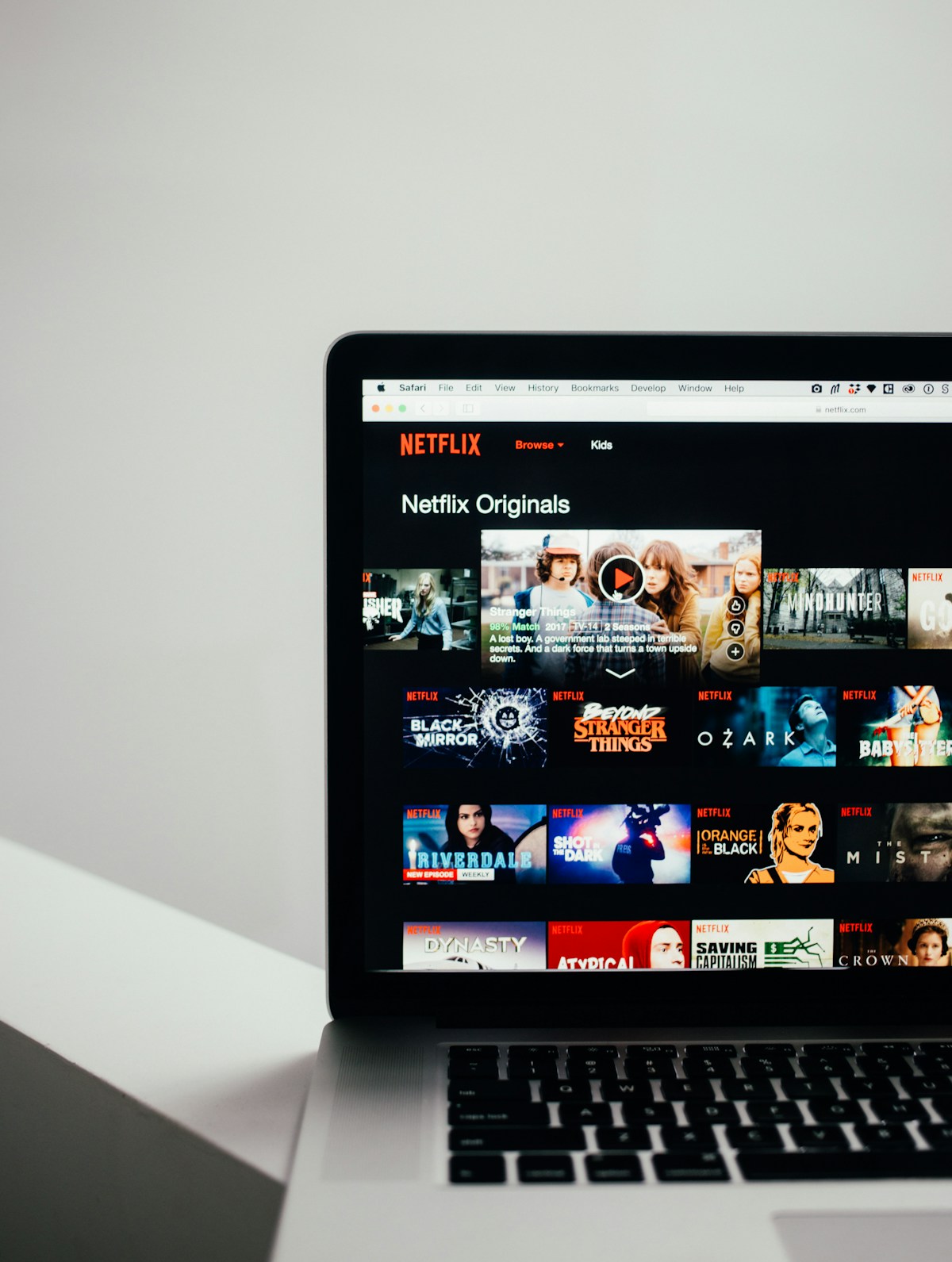
The real story here isn't CNN, though. It's streaming. Ellison inherits two struggling platforms in Max and Paramount+, both burning cash while competing with Netflix, Disney+, and Amazon Prime Video. Combining them makes financial sense—one subscriber base, one tech stack, one marketing budget—but cultural integration will be messy. Hollywood is littered with merger casualties.
Still, the combined library is formidable. The Sopranos. Game of Thrones. The Godfather. Mission: Impossible. Top Gun. Harry Potter. If content is king, Ellison just acquired the crown jewels.