
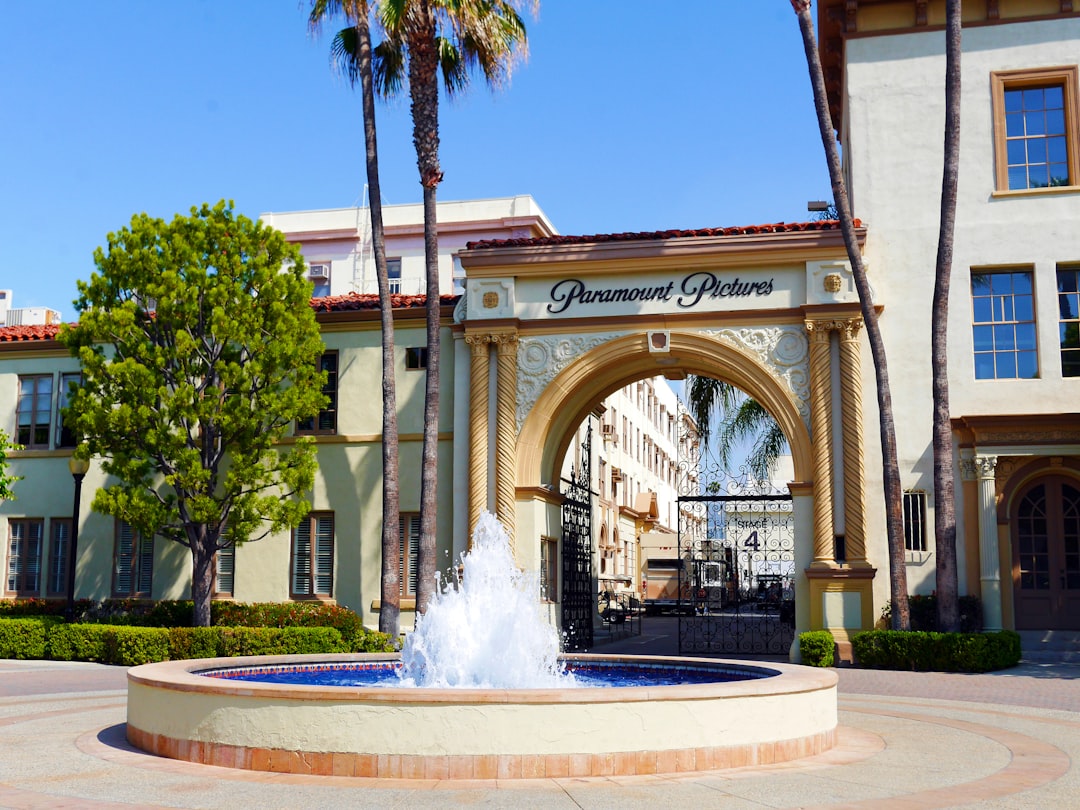
The Paramount Pictures lot on Melrose Avenue has been a fixture of Hollywood for over a century. The Godfather was filmed there. Sunset Boulevard. Chinatown. Titanic. Every Mission: Impossible film. Now, following the Warner Bros. merger, the studio is eyeing "changes" to the historic property—which is Hollywood speak for "we're going to do something you won't like."According to The Hollywood Reporter, executives are reviewing operations across the combined company's real estate portfolio. Translation: When you merge two major studios, somebody's soundstages become redundant, and real estate in Los Angeles is too valuable to leave as a monument to cinematic history.Warner Bros. already has its massive Burbank lot, which houses everything from DC films to prestige HBO dramas. Paramount's footprint, while smaller, sits on prime Hollywood real estate worth hundreds of millions. The cold calculus of corporate consolidation rarely favors sentiment over spreadsheets.What makes this particularly galling is that the Paramount lot isn't just historically significant—it's one of the last remaining major studios actually located in Hollywood proper. Warner Bros., Disney, Universal—they all moved to the Valley decades ago. Paramount stayed, a physical reminder of Hollywood's golden age surrounded by the modern chaos of Melrose and Gower.The lot's famous , seen in countless films, has become a symbol of itself. The backlot water tank has doubled for oceans in dozens of productions. The New York street set has been everything from 1940s to contemporary . These aren't just filming locations—they're pieces of cinema infrastructure built up over generations.But here's the thing about corporate mergers: Nobody executes a $20 billion deal to preserve film history. They do it to eliminate costs, consolidate operations, and maximize shareholder value. If can move productions to and sell or redevelop the property, that's exactly what they'll do.There's precedent here. When declined, its legendary lot was eventually sold and became . The lot is now owned by . Studios come and go, but at least those lots survived. The fear with is that prime real estate could be more valuable as condos or office space than as a working studio.Industry insiders are quick to note that no final decisions have been made, and the companies might simply the lot rather than shutter it entirely. Which is speak for The irony is that these mergers are sold as being good for creativity—more resources, bigger budgets, combined libraries. But when backlot becomes luxury apartments, we all lose something that can't be quantified on a balance sheet.In , nobody knows anything—except me, occasionally. And here's what I know: Corporate consolidation is erasing the physical footprint of film history, one merger at a time. The lot deserves better than to become a footnote in a Warner Bros. Discovery earnings report.
|