Something has shifted in the conversation around Pakistan as a travel destination. What was once discussed almost exclusively in terms of risk and restriction is increasingly appearing in travel forums, adventure communities, and social media feeds as one of the most rewarding destinations a serious traveler can experience. The country's dramatic northern landscapes, Mughal-era architecture, and genuine hospitality have always been there. The Western travelers willing to experience them are now arriving in growing numbers.
A planning thread on r/backpacking from a 31-year-old American traveler preparing his first Pakistan trip — covering Lahore, Islamabad, Hunza Valley, and potentially Skardu — reflects the practical questions that first-timers are now working through in detail.
Visa and Entry
Most Western passport holders can now apply for an e-visa online through the official Pakistan e-visa portal — a significant infrastructure improvement from even five years ago. Processing typically takes 3–5 business days and costs around $50 USD. Some nationalities (including US, UK, and EU passport holders) are eligible. Verify your eligibility and current processing times at the NADRA e-Visa portal well before departure; requirements do change.
Lahore: The Essential Cultural Entry Point
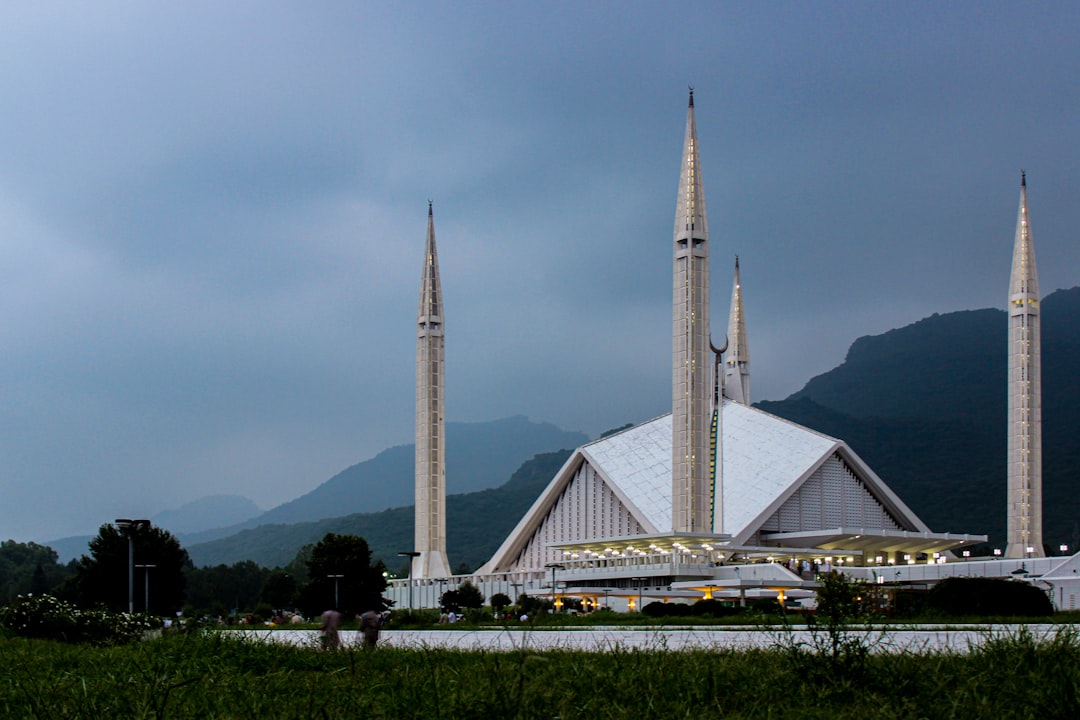
Lahore is among South Asia's most underrated cities and deserves more time than many first-timers allocate. Three to four full days is appropriate for a meaningful first visit. The Walled City — one of the most intact historic urban cores in the region — demands multiple days of walking. The Lahore Fort and the Badshahi Mosque represent Mughal architecture at its most magnificent. The Food Street in the Gawalmandi area is a genuine institution, not a tourist construct. Evenings on the Mall Road area give a sense of Lahore's cosmopolitan educated class in a way that pure heritage tourism misses.
For the traveler planning the itinerary described in the Reddit thread — arriving April 25, departing Islamabad May 9 — the recommended split is 3–4 days in Lahore rather than the compressed 2-day option the traveler was considering. Cutting Lahore short is the most common regret cited by Pakistan returnees.
Hunza Valley: The Main Event
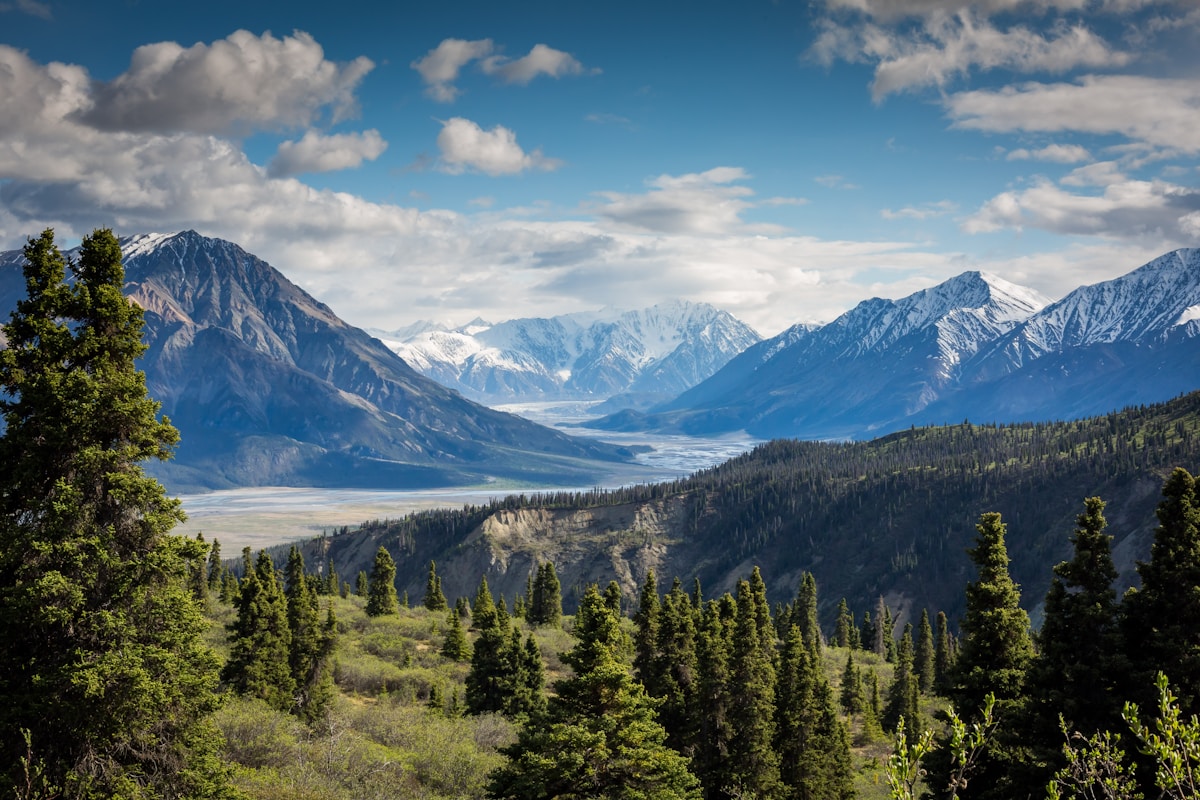
The Hunza Valley in Pakistan's Gilgit-Baltistan region is the destination that has most driven Western interest in Pakistan. The views from Karimabad — the Rakaposhi massif, the apricot orchards in blossom during April and May, the turquoise ribbon of the Hunza River — are legitimately among the most spectacular in Asia. This is not an exaggeration calibrated to attract clicks. Travelers with strong Nepal and Tibet experience describe Hunza as comparable in visual impact and significantly less crowded.
Seven full days in the Hunza region (including two travel days from Islamabad by road or the PTDC-operated Karakoram Highway) gives adequate time to base in Karimabad, day-hike to Eagle's Nest, visit Altit Fort and Baltit Fort, and take the short side trip to Attabad Lake.
Skardu: The Difficult Trade-Off
Skardu and the Deosai Plains are widely considered unmissable by Pakistan veterans, but they require a full extra day of travel each way (flight from Islamabad, when available, or an additional mountain road journey). For a 14-day first trip, adding Skardu compresses everything else. The consensus from experienced Pakistan travelers: if you can extend your trip, include Skardu. If you cannot, return for it — because you will return.
Practical Notes
Cash economy: ATMs are limited outside major cities; carry sufficient Pakistani rupees for the north. Mobile data: Jazz and Telenor SIMs work well in Islamabad and Lahore; connectivity drops significantly in Gilgit-Baltistan. Respect local customs around dress, particularly for women and in conservative areas — modest dress (covered shoulders, loose trousers) is the appropriate standard throughout the country.