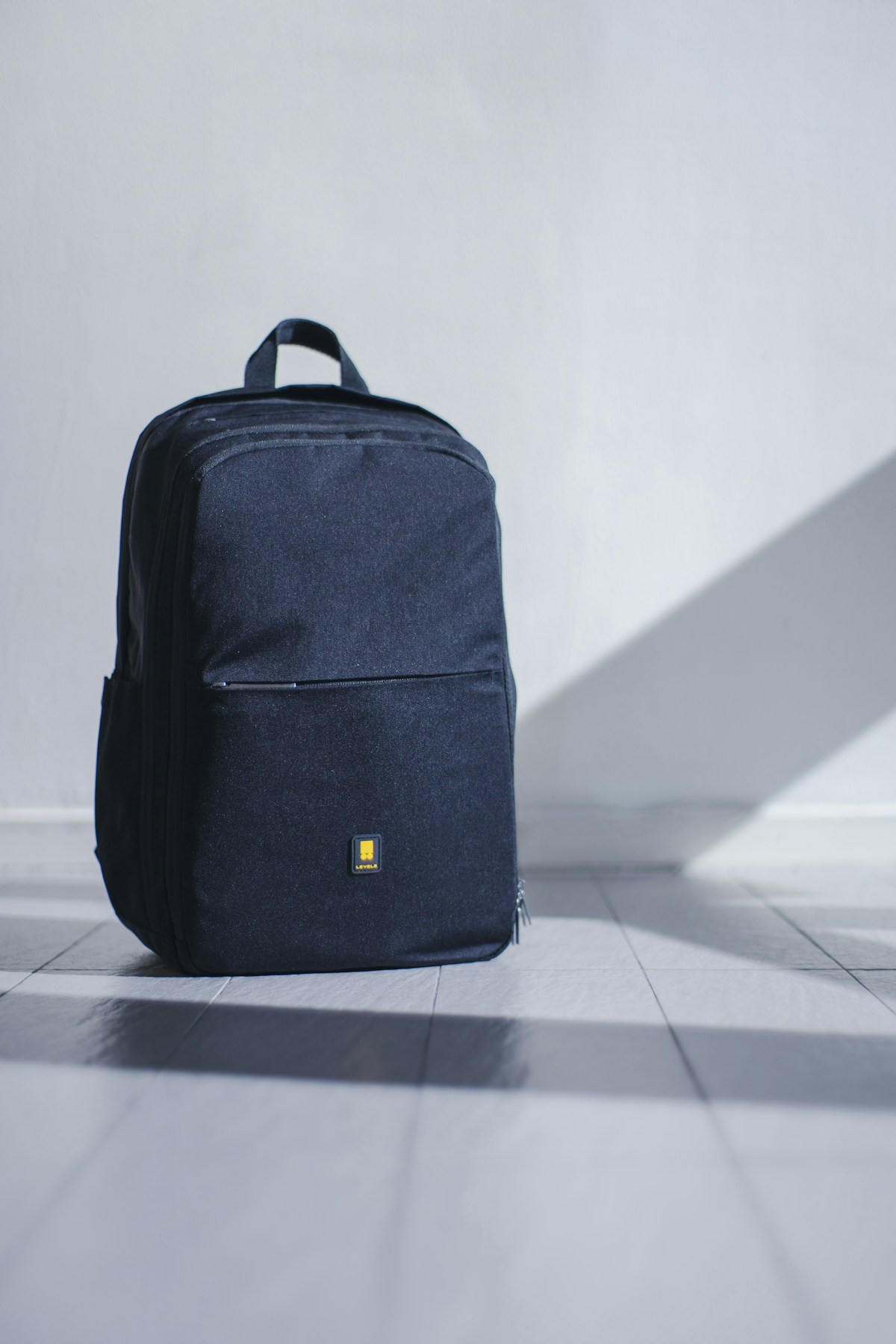
Travel gear enthusiasts scrambled after Amazon briefly listed the new 2025 Osprey Farpoint 40 at the old model's price — nearly $100 below retail. The incident highlights the rising costs of quality travel gear and when to jump on deals versus waiting for sales.
"Looks like they've priced it at the old models price. Grab one when you can," one onebag traveler posted, sharing a link showing the 2025 model at just $111 instead of the typical $200+ retail price.
The post sparked immediate debate: Was this a genuine pricing error, or could orders be honored? And more broadly, why has travel gear become so expensive?
The Farpoint 40 phenomenon
The Osprey Farpoint 40 has achieved near-cult status among carry-on-only travelers and digital nomads. Its 40-liter capacity hits the sweet spot for most airlines' carry-on restrictions while providing enough space for extended travel.
The 2025 model includes updates to fabric durability, harness systems, and organization — refinements that justify Osprey's price increase to $200-220 retail. The previous generation retailed around $150-160 before being phased out.
When Amazon briefly listed the new model at $111 — essentially the old model's sale price — the onebag community pounced. The question: would Amazon honor orders, or would they be cancelled as pricing errors?
Gear inflation: why backpacks cost more
Travel gear has seen significant price increases over the past 5 years, driven by multiple factors:
Material costs: Technical fabrics, YKK zippers, and durable hardware have all increased in price. The recycled materials that many brands now use to appeal to eco-conscious travelers often cost more than virgin fabrics.
Manufacturing: Most quality travel gear is still manufactured in Vietnam, China, or Bangladesh, where labor costs have risen substantially as those economies develop.
Direct-to-consumer shift: While many brands now sell directly online (cutting retailer margins), they're also spending heavily on marketing and customer acquisition to compete in crowded markets.