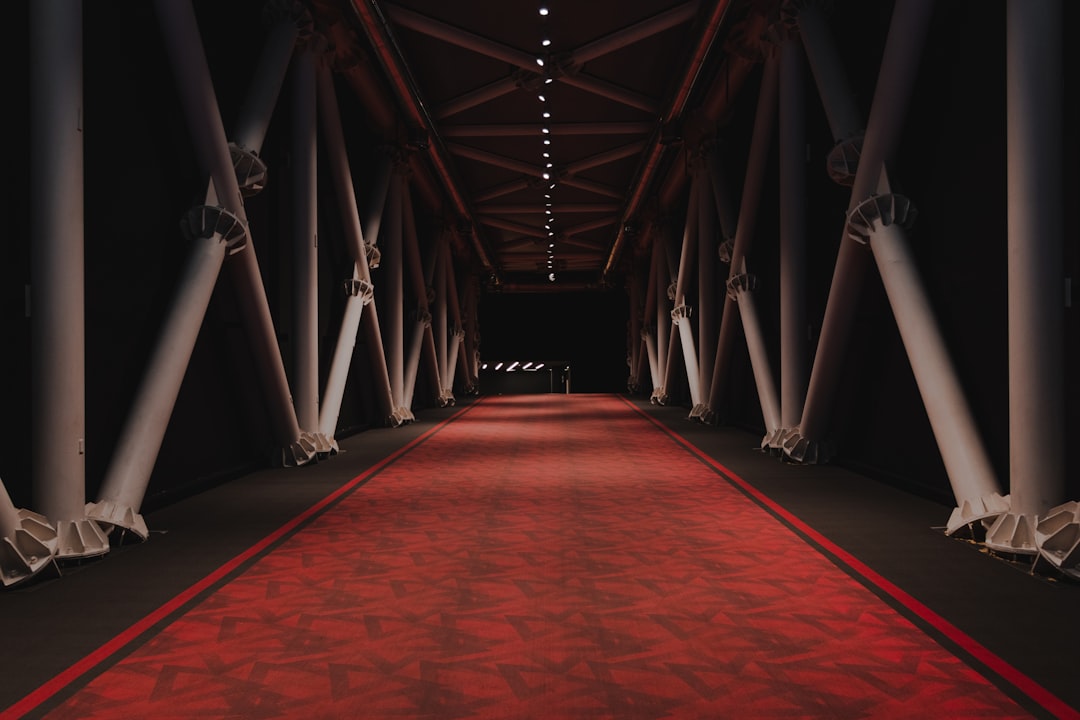
With the Oscars just days away, one of this year's nominees won't be walking the red carpet - not because of scheduling conflicts or COVID protocols, but because the United States won't let him in.
Motaz Malhees, a Palestinian actor nominated for his performance in the documentary short It Was Just an Accident, confirmed to The Independent that he's unable to attend the ceremony due to the Trump administration's reinstated travel restrictions on several Middle Eastern countries.
If this feels familiar, it should. In 2017, during the first Trump presidency, Iranian director Asghar Farhadi famously boycotted the ceremony where his film The Salesman won Best Foreign Language Film. Iranian actress Taraneh Alidoosti accepted on his behalf, reading a statement condemning the "inhumane law that bans entry of immigrants to the U.S."
But there's something uniquely painful about this year's situation. The Academy has spent the better part of a decade working to diversify its membership and championing international voices. They've expanded the Best International Feature category's visibility, created new inclusion standards, and made grand pronouncements about cinema's universal language. And yet here we are again: an artist being told their work is Oscar-worthy, but they themselves are not welcome.
The timing is particularly stark. It Was Just an Accident reportedly examines life under occupation in Palestine, making Malhees' exclusion feel less like bureaucratic coincidence and more like a statement about whose stories matter - and who gets to tell them.
The Academy has not yet commented on whether they'll address Malhees' absence during Sunday's broadcast. History suggests they won't. When politics intrude on Hollywood's biggest night, the preferred response is usually to pretend it isn't happening and cut to a musical number.