
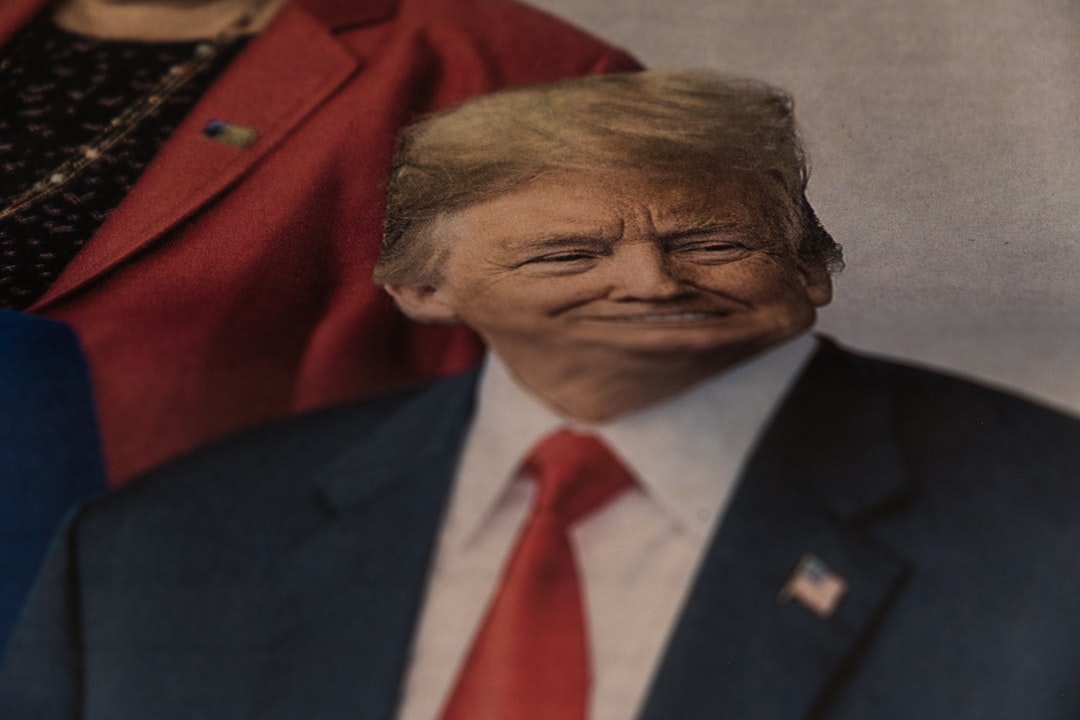
Hungarian Prime Minister Viktor Orban deployed an AI-generated deepfake video of Ukrainian President Volodymyr Zelensky on Thursday, accusing Kyiv of interfering in Hungary's upcoming elections—marking the first documented case of an EU leader using synthetic media against a wartime ally.
The manipulated video, posted to Orban's official social media accounts, shows what appears to be Zelensky calling on Hungarian voters to reject Orban's government. Digital forensics experts quickly identified telltale signs of AI generation, including unnatural facial movements and audio synchronization inconsistencies.
"This is not just disinformation—it's a deliberate weaponization of AI technology to undermine a democratic ally," said Dmytro Kuleba, Ukraine's former foreign minister, in response to the incident. "At a time when Ukraine is fighting for its existence against Russian aggression, Hungary's leader manufactures fake videos to justify his pro-Kremlin stance."
The deepfake deployment comes amid escalating tensions between Budapest and Kyiv over Hungary's obstruction of EU aid to Ukraine and Orban's maintained relationship with Vladimir Putin. Hungary has consistently blocked or delayed European military and financial support packages for Ukraine, isolated among EU members in its refusal to fully align with the bloc's Ukraine policy.
In Ukraine, as across nations defending their sovereignty, resilience is not just survival—it's determination to build a better future. Even as Ukrainian forces hold defensive positions against Russian attacks, now confronts a new front: information warfare from within the EU itself.