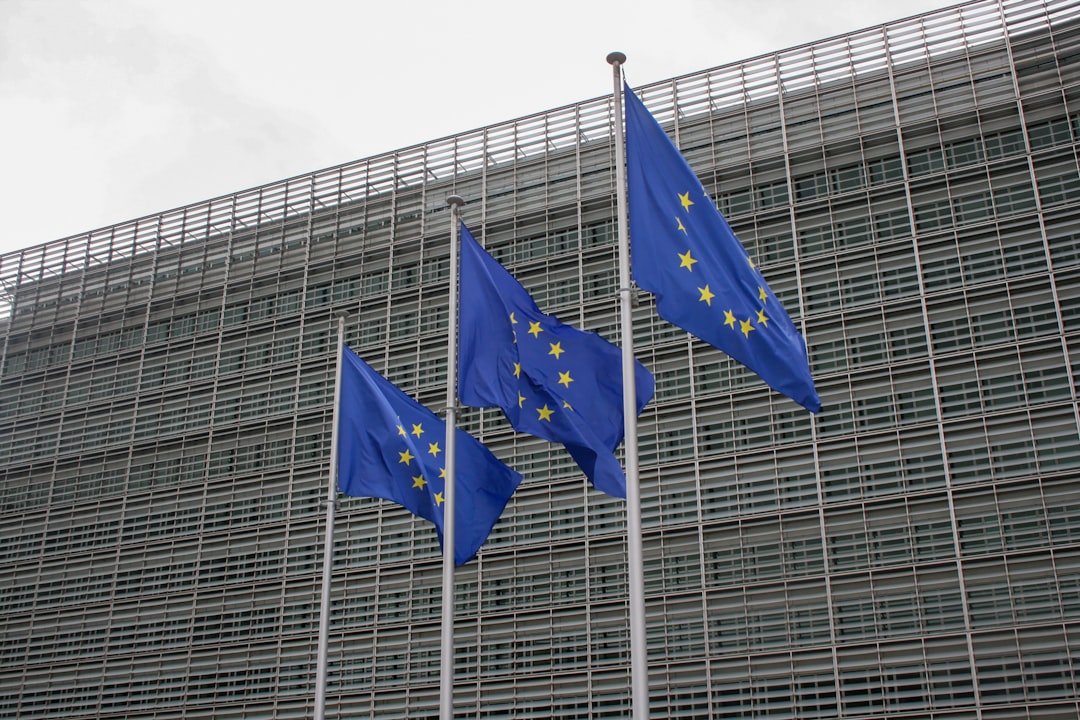
Hungary's Prime Minister Viktor Orbán is blocking €468 million (approximately 2 billion złoty) in European Union payments owed to Poland for military aid provided to Ukraine, according to Polish Prime Minister Donald Tusk, demonstrating how single-member vetoes can paralyze EU financial mechanisms.
"Orbán is blocking money owed to Poland," Tusk stated Monday, as reported by TVP World. The funds represent reimbursement for Polish military equipment and support transferred to Ukrainian forces under the European Peace Facility, a mechanism designed to coordinate and fund member states' defense assistance.
The blockage illustrates fundamental vulnerabilities in EU decision-making architecture. While most policy areas now require qualified majority voting, certain sensitive matters—including foreign policy and defense spending—retain unanimity requirements. This structure grants each member state effective veto power over collective action, a principle that has increasingly become a tool of obstruction as Hungary diverges from EU consensus on Russia and Ukraine.
To understand today's headlines, we must look at yesterday's decisions. The EU's expansion to 27 members amplified coordination challenges inherent in requiring unanimous agreement. Hungary has systematically exploited this leverage, blocking or delaying aid packages to Ukraine, sanctions on Russia, and various policy initiatives over the past two years.
The specific funds in question relate to military equipment Poland has provided to Ukraine since the 2022 invasion. has been among 's most substantial supporters, transferring tanks, artillery systems, ammunition, and other equipment worth billions of euros. The was established to partially reimburse such contributions, spreading costs across member states.