
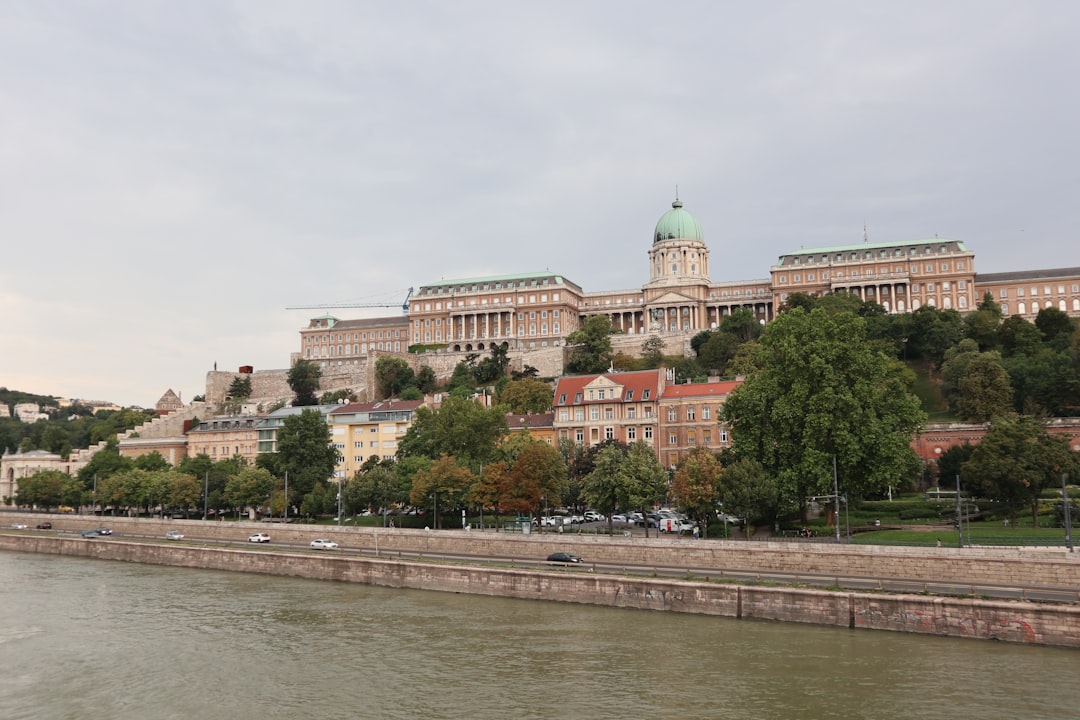
Viktor Orbán conceded defeat early Sunday evening after his Fidesz party suffered a crushing election loss, securing just 55 seats compared to the opposition Tisza party's commanding 138-seat supermajority in Hungary's 199-member parliament. The result, built on record 77.8% turnout, ends 16 years of increasingly authoritarian rule and represents the most significant political earthquake in Central Europe in decades."The voters have spoken, and we respect their decision," Orbán said in a brief televised address from Fidesz headquarters, his voice notably subdued. The concession came shortly after 10 p.m. as returns showed the scale of the defeat became mathematically irreversible. Within minutes, Péter Magyar, the 45-year-old former regime insider who transformed into Orbán's most formidable challenger, stood before thousands of jubilant supporters on the Danube embankment, the illuminated parliament building forming a symbolic backdrop."Tonight, Hungarians have reclaimed their country," Magyar declared to roaring crowds at Batthyány Square. "You voted yes to Europe, yes to democracy, yes to the rule of law. Hungary will once again become a strong EU and NATO ally." The opposition leader pledged his first foreign visit would be to Poland, signaling a dramatic reorientation toward Hungary's traditional Central European partners and away from Orbán's increasingly close ties to Moscow.In Hungary, as across the region, national sovereignty and European integration exist in constant tension. This election result suggests Hungarian voters prioritized rejoining the European mainstream over continued isolation under Orbán's self-described "illiberal democracy."<h2>Europe Celebrates Democratic Renewal</h2>Reactions from Brussels and European capitals came swiftly. European Commission President Ursula von der Leyen posted on social media shortly after Magyar's victory speech: "Europe's heart is beating stronger in Hungary tonight. We look forward to working with the new Hungarian government as a committed partner in building our shared future."The victory removes a significant obstacle to EU unity on Ukraine and Russian sanctions. Orbán had repeatedly blocked aid packages to Kyiv and maintained close personal ties to Vladimir Putin even as most European leaders isolated the Russian president. Magyar has pledged to maintain pragmatic relations with Moscow while aligning Hungary firmly with EU positions on Ukraine.Perhaps more concretely, Magyar promised to join the —a step Orbán had blocked—which could unlock approximately for Hungary. Sources in Brussels suggest the EU had also blocked a partly due to Hungary's opposition, though commission officials declined to confirm this on the record.<h2>From Insider to Opposition Victor</h2>Magyar's journey from Orbán loyalist to opposition leader reads like political fiction. A lawyer by training, he worked within government development institutions and married , who became Orbán's justice minister. His transformation accelerated after their 2023 divorce, when he began secretly recording conversations revealing government interference in corruption cases.The turning point came in February 2024, when both Varga and President resigned over a pardon scandal involving an official who assisted a convicted pedophile. Magyar, armed with insider knowledge and credibility as launched withering Facebook criticisms that resonated with frustrated voters.He founded the Tisza party in 2024, achieving 29.6% in that June's European Parliament elections—a warning shot Fidesz apparently failed to heed. Magyar's campaign focused relentlessly on domestic failures: , , and rather than abstract ideological battles.<h2>Voices from a Divided Nation</h2>At Tisza's victory celebration, 34-year-old nurse wept openly. she told reporters. The mood was starkly different in Fidesz strongholds. In the rural town of Eger, 62-year-old pensioner expressed dismay: Such sentiments remain significant—Fidesz still captured nearly 38% of votes, representing millions of Hungarians who supported Orbán's nationalist vision.Political analyst emphasized the victory stemmed from domestic discontent rather than foreign policy debates. he explained. <h2>Challenges Ahead</h2>Magyar inherits a country transformed by 16 years of Fidesz rule. Orbán systematically captured independent institutions, packed courts with loyalists, redirected public funds to allied oligarchs, and converted state media into propaganda outlets. The new government faces the monumental task of rebuilding democratic guardrails while managing economic challenges and elevated public expectations.Magyar has outlined ambitious reforms: to restore specialized governance, implementing , and limiting prime ministerial terms to eight years —a pointed measure ensuring Orbán cannot return to power. Whether Tisza's supermajority can execute these plans while maintaining coalition unity remains uncertain.Regional implications extend beyond Hungary. Polish opposition leaders, who ended their own authoritarian government in 2023, congratulated Magyar within hours. The victory suggests Central European voters may be reasserting democratic preferences after a decade of illiberal drift—though observers caution against drawing overly broad conclusions from a single election.For now, Hungary celebrates a democratic renewal that seemed impossible just months ago. As Magyar told the crowds Sunday night: Whether that reconstruction succeeds will define Hungarian politics for the next generation.
|