After years of dragging "oversized overweight suitcases" through Tokyo that wouldn't fit in taxi trunks, a repeat Japan visitor is attempting their first one-bag trip. The packing list reveals the minimalist mindset shift from overpacking tourist to streamlined traveler—and offers a realistic template for anyone considering the one-bag philosophy.
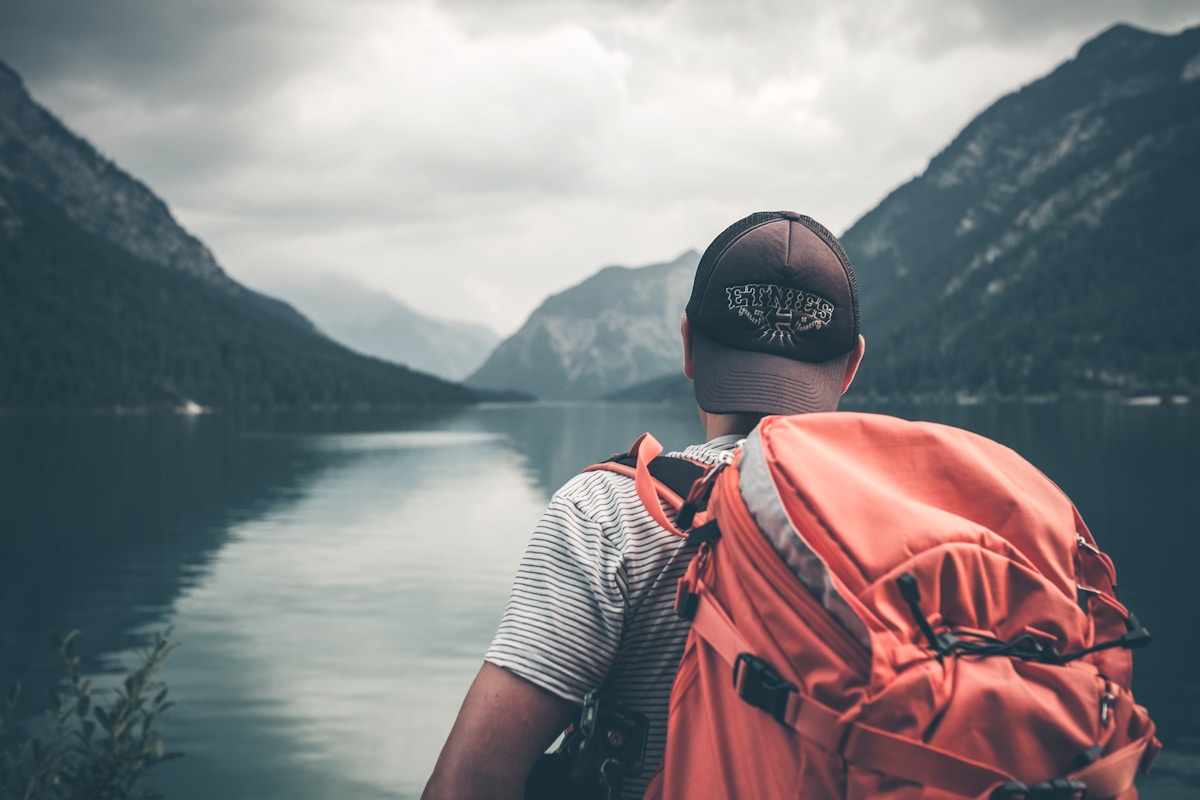
The traveler is using an Aer TP3 backpack for a two-week Tokyo trip, a significant departure from previous approaches. "I want to try being more focused and minimalist with my packing and approach to my travel," they explained on r/onebag, acknowledging the heavy weight of the Aer bag itself but prioritizing versatility.
The complete packing list beyond clothes on body:
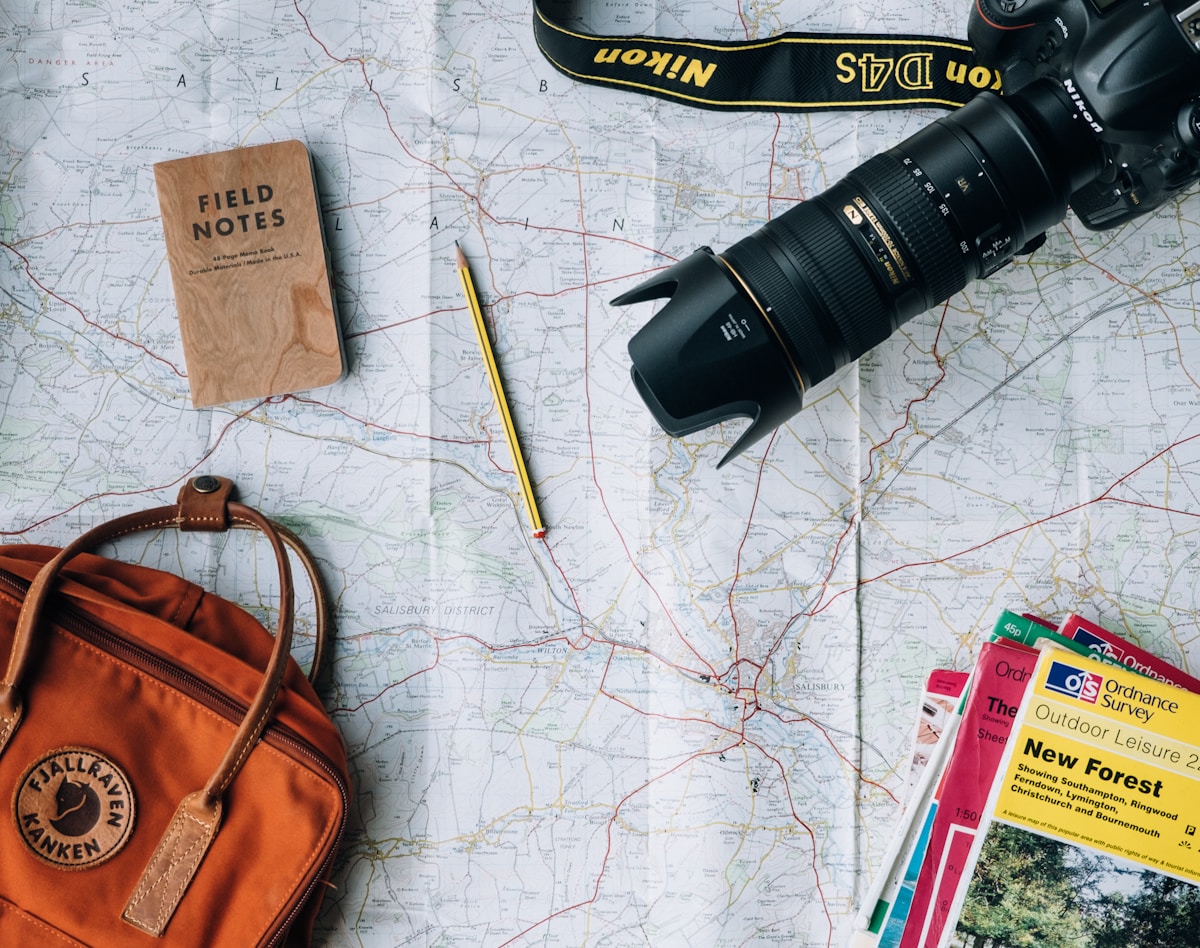
- 5x socks and underwear - 3x Wool & Prince t-shirts - 1x light button-down for dressing up - 2x Outlier pants - 1x extra pair of shoes (for rain and wet shoe backup) - Patagonia Nano Air Light Hybrid jacket - Windbreaker for layering - Peak Design toiletry kit - Small tech items (chargers, camera gear)
This represents a thoughtful balance between minimalism and practicality. The question the traveler raised—"how heavy do peoples packs end up being?"—touches on a central tension in one-bag travel: lightweight ultralight packing versus prepared comfort.
Why Japan rewards one-bag travel:
Japan's efficient public transit becomes significantly easier with a single backpack. Train stations have stairs, narrow turnstiles, and crowded platforms where dragging a rolling suitcase frustrates both you and everyone around you. Taxis in Tokyo have notoriously small trunks—one of the traveler's motivations for downsizing after previous struggles.
The country's coin laundries (コインランドリー) are ubiquitous and efficient, making it easy to wash clothes every 3-4 days. Many capsule hotels and hostels offer free laundry. With quick-dry fabrics like the Wool & Prince tees mentioned, you can hand-wash and air-dry overnight.
Cultural considerations for Japan packing:
While minimalist packing works well practically, Japan's cultural emphasis on appearance makes ultra-minimal wardrobes potentially challenging. The traveler wisely included a light button-down for "dressing up"—many restaurants, bars, and cultural venues have informal dress codes where athletic wear feels inappropriate.
The two Outlier pants strategy is smart: one for daily wear, one as backup while washing or if the first gets stained. Japan's combination of walking (often 15,000+ steps daily) and food-focused culture means your pants will need regular washing.
The extra shoes decision will be debated by one-bag purists—shoes are heavy and bulky. But Tokyo's rainy season and extensive walking make backup footwear valuable. Wet shoes in humid Japanese weather can take days to fully dry. The alternative is packing lighter shoes that dry overnight, like mesh runners or sandals as backup.
What's missing from this packing list?
Packing cubes or compression bags—the traveler didn't mention organization strategy. For a backpack, cubes keep everything accessible and compressed.
A small day bag or packable tote—Japan eliminated free shopping bags, so you'll need something for groceries and purchases. Many one-baggers pack a packable daypack for daily exploration, keeping the main bag at accommodation.
Adapters and battery pack—mentioned as "tech items" but critical for Japan. Japanese outlets are Type A (same as USA) but only 100V. Bring a substantial battery pack as you'll be walking extensively with heavy phone usage for navigation and translation.
The one-bag philosophy for first-timers:
The hardest part isn't packing light—it's trusting you can buy anything you forgot. Tokyo has 24-hour convenience stores, massive department stores, and 100-yen shops everywhere. Forgot shampoo? Buy it at any konbini. Need an extra shirt? Uniqlo is ubiquitous.
This psychological shift from "pack for every possibility" to "I'll solve problems if they arise" is what separates one-baggers from traditional tourists. The goal isn't suffering with insufficient gear—it's eliminating the burden of carrying things "just in case."
Realistic weight expectations:
The Aer TP3 weighs about 3.7 lbs (1.7kg) empty—heavy for a travel backpack. Add the packing list above and you're likely at 18-22 lbs (8-10kg) total. That's manageable for most travelers and well under airline carry-on weight limits.
Ultralighters aim for sub-15 lbs total, but that requires expensive technical fabrics, minimal toiletries, and sacrificing comfort items. For a first one-bag attempt, 20 lbs is perfectly respectable and sustainable for two weeks.
The Japan-specific advantage:
Japan is possibly the world's best destination for experimenting with one-bag travel. Accommodation is safe (leave your bag without worry), weather is predictable within seasons, laundry is easy, anything forgotten is immediately available to purchase, and the transportation system rewards minimal luggage.
If you can't successfully one-bag Japan, you probably can't one-bag anywhere. But if you can, you'll discover the freedom of efficient packing and may never go back to checking luggage.
The best travel isn't about the destination—it's about what you learn along the way. One-bag travel teaches you to distinguish needs from wants, to value experiences over possessions, and to embrace the freedom that comes from carrying less. This traveler's journey from oversized suitcases to a single backpack isn't just about packing—it's about a fundamental shift in how they approach travel itself.
For anyone considering one-bag travel to Japan, this packing list offers a proven starting point. You might adjust based on your priorities—maybe drop the backup shoes, add a packable daypack, or swap the Patagonia for a lighter layer. But the core principle remains: pack for your itinerary, trust you can buy what's missing, and embrace the freedom of traveling light.