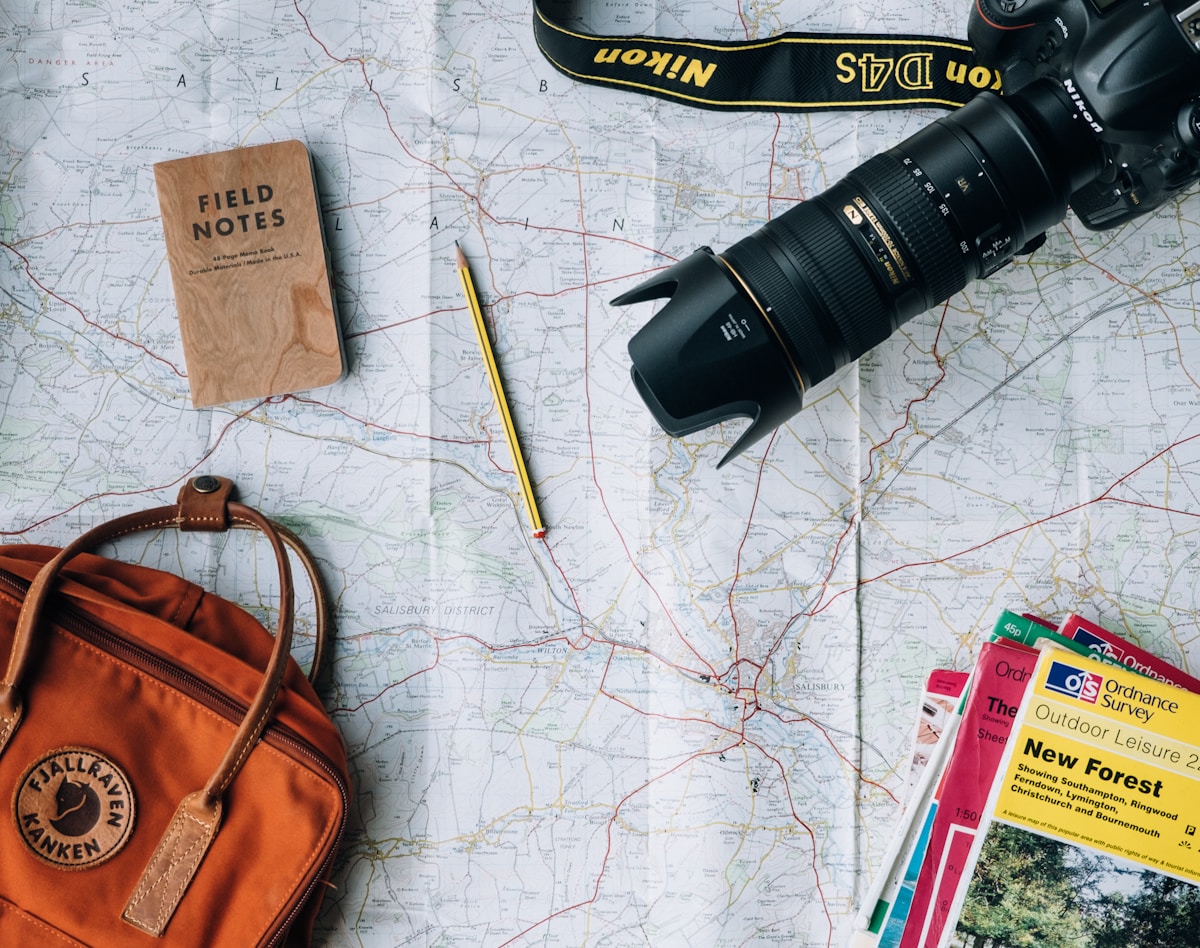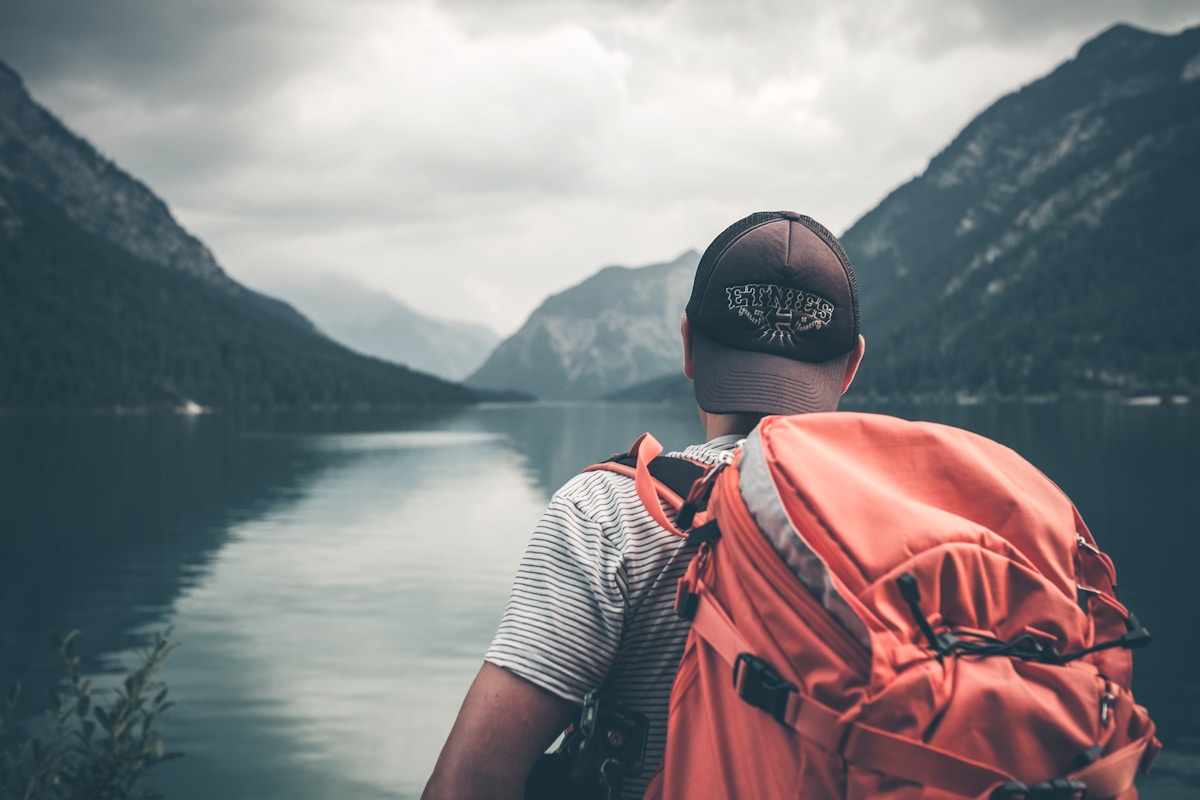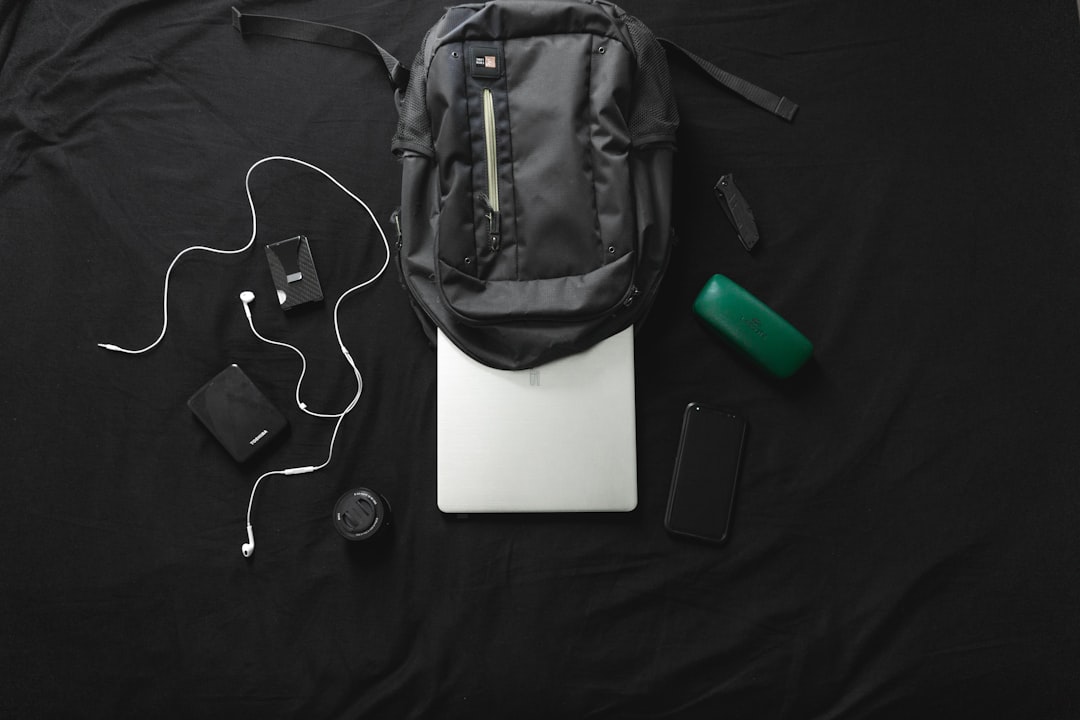
Five nights in Las Vegas. One Osprey Daylite 26+6 personal item backpack. Zero checked luggage fees, zero baggage claim anxiety, zero overpacking regrets.
For a growing community of travelers, this isn't just budget consciousness—it's a philosophy of travel that prioritizes freedom, efficiency, and intentional restraint.
A recent trip report on r/onebag captured the appeal perfectly: a traveler completed a Vegas trip with everything fitting under an airplane seat, passing even the notoriously strict Air Canada gate agent's personal item sizer test.
"The big takeaway is restraint in buying stuff on the trip and an efficient way to pack," they wrote. The backpack fit under the seat "like a charm" on both Porter ERJ-195 and Air Canada A320 flights.
The one-bag travel movement has been quietly growing for years, fueled by frustration with airline baggage fees, stories of lost luggage, and a minimalist philosophy that questions why we travel with so much stuff we don't actually need.
According to IATA's 2024 baggage report, airlines mishandled 7.6 bags per 1,000 passengers globally—a seemingly small number until you realize that's millions of travelers separated from their belongings. Checked bag fees now average $30-50 USD each way on major carriers, adding $60-100 to every trip.
One-bag travelers eliminate both problems entirely by fitting everything into a carry-on or personal item.
But the movement goes deeper than avoiding fees. It represents a fundamental rethinking of what travel actually requires.
"You don't need as much as you think you do," is the mantra repeated across one-bag communities. Most travelers pack for hypothetical situations that never occur, hauling "just in case" items across continents only to return them unworn.
The one-bag philosophy forces intentionality. When space is limited, every item must justify its inclusion. That mindset shift extends beyond packing—it influences how you travel, what you buy, and how mobile you can be.