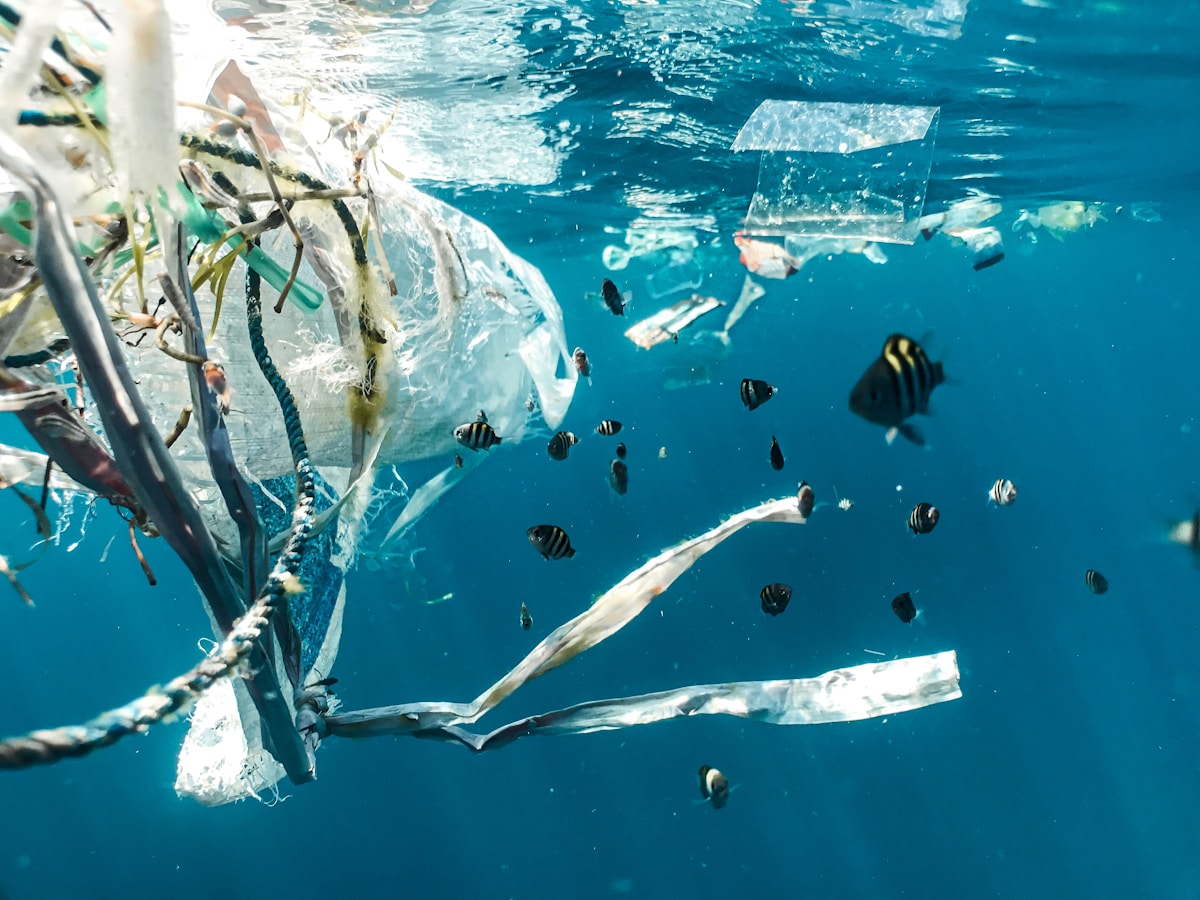
Venezuela reported environmental damage along its northeastern coast from an oil spill originating in Trinidad and Tobago, marking the latest cross-border ecological disaster in the Caribbean as cleanup efforts struggle to contain spreading contamination threatening critical marine ecosystems.
The spill threatens coral reef systems, sea turtle nesting beaches, and mangrove forests across the southern Caribbean, with currents carrying petroleum products northwest from Trinidad toward Venezuelan waters. The incident underscores how environmental disasters respect no maritime boundaries, creating diplomatic complications as neighboring nations scramble to coordinate emergency response across jurisdictions.
Venezuelan authorities documented oil contamination reaching coastal communities in Sucre State, though precise spill volume and source vessel remain under investigation. Trinidad and Tobago officials acknowledged the incident while emphasizing ongoing containment efforts, setting up potential finger-pointing between governments as accountability questions emerge alongside cleanup operations.
The ecological stakes are immense. The southern Caribbean hosts some of the hemisphere's most biodiverse marine ecosystems, with coral reefs supporting commercial fisheries that coastal communities depend upon for food security and livelihoods. Sea turtles, including endangered leatherback and hawksbill species, nest on beaches now contaminated with petroleum. Mangrove forests that serve as nurseries for juvenile fish face suffocation from oil coating root systems.
In climate policy, as across environmental challenges, urgency must meet solutions—science demands action, but despair achieves nothing. The spill arrives at a moment when Caribbean ecosystems already face compounding climate stresses including ocean warming, acidification, and intensifying hurricanes, reducing resilience to additional shocks.
Climate justice dimensions run through the disaster. Caribbean nations contribute minimally to global emissions yet bear disproportionate climate impacts and now petroleum pollution from transit routes serving global energy markets. The region's coral reefs provide natural coastal protection worth billions in storm damage prevention, making their degradation a climate adaptation crisis as much as biodiversity loss.