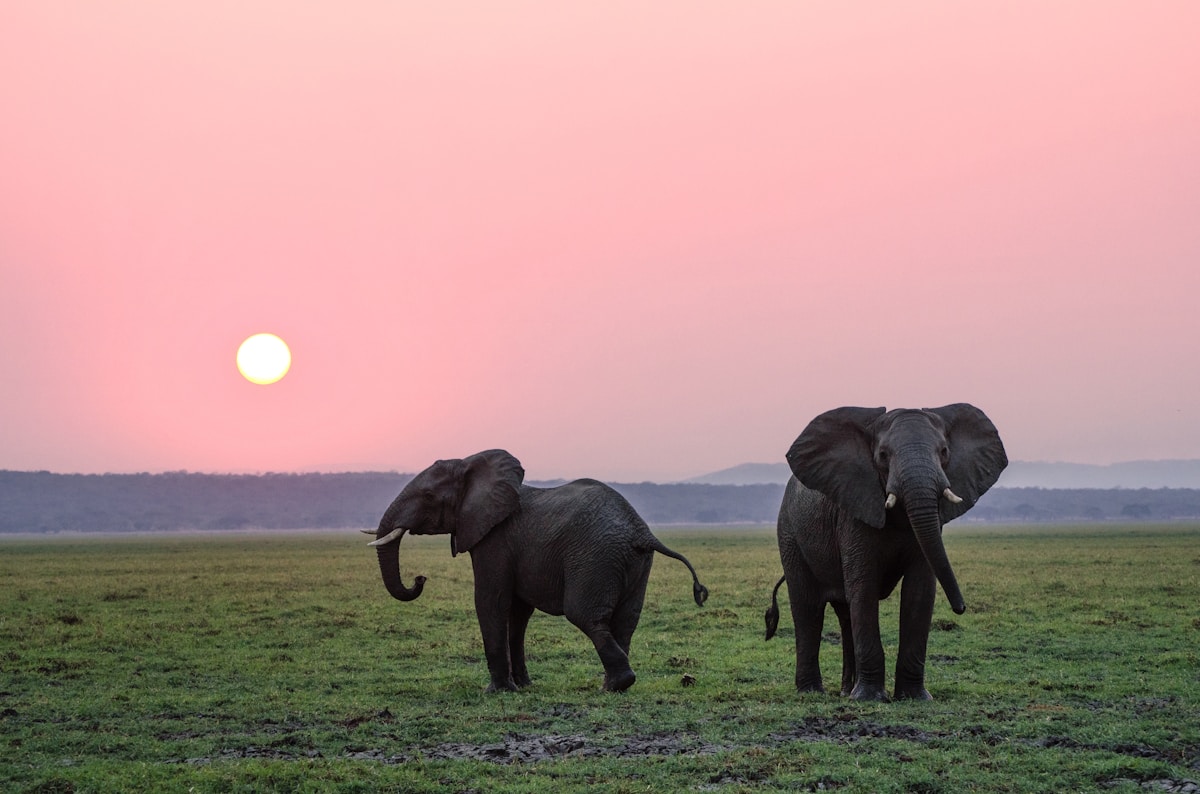
Three elephants once confined to concrete enclosures are now roaming semi-wild across Europe's first dedicated elephant sanctuary, marking a paradigm shift from entertainment to rehabilitation in how the continent treats its captive giants.
The sanctuary, reported by The Guardian, represents decades of animal welfare advocacy coalescing into concrete action. Unlike traditional zoos where elephants pace limited spaces for visitor entertainment, this facility offers expansive habitat where former circus and zoo elephants can express natural behaviors—mud bathing, foraging, and forming social bonds—for the first time in years.
The rehoming reflects growing recognition that elephants' complex needs cannot be met in conventional captivity. Wild elephants walk up to 30 miles daily, live in matriarchal family groups, and require diverse landscapes. Traditional zoo enclosures, often measuring just acres, leave these intelligent mammals with behavioral disorders, chronic foot problems, and shortened lifespans.
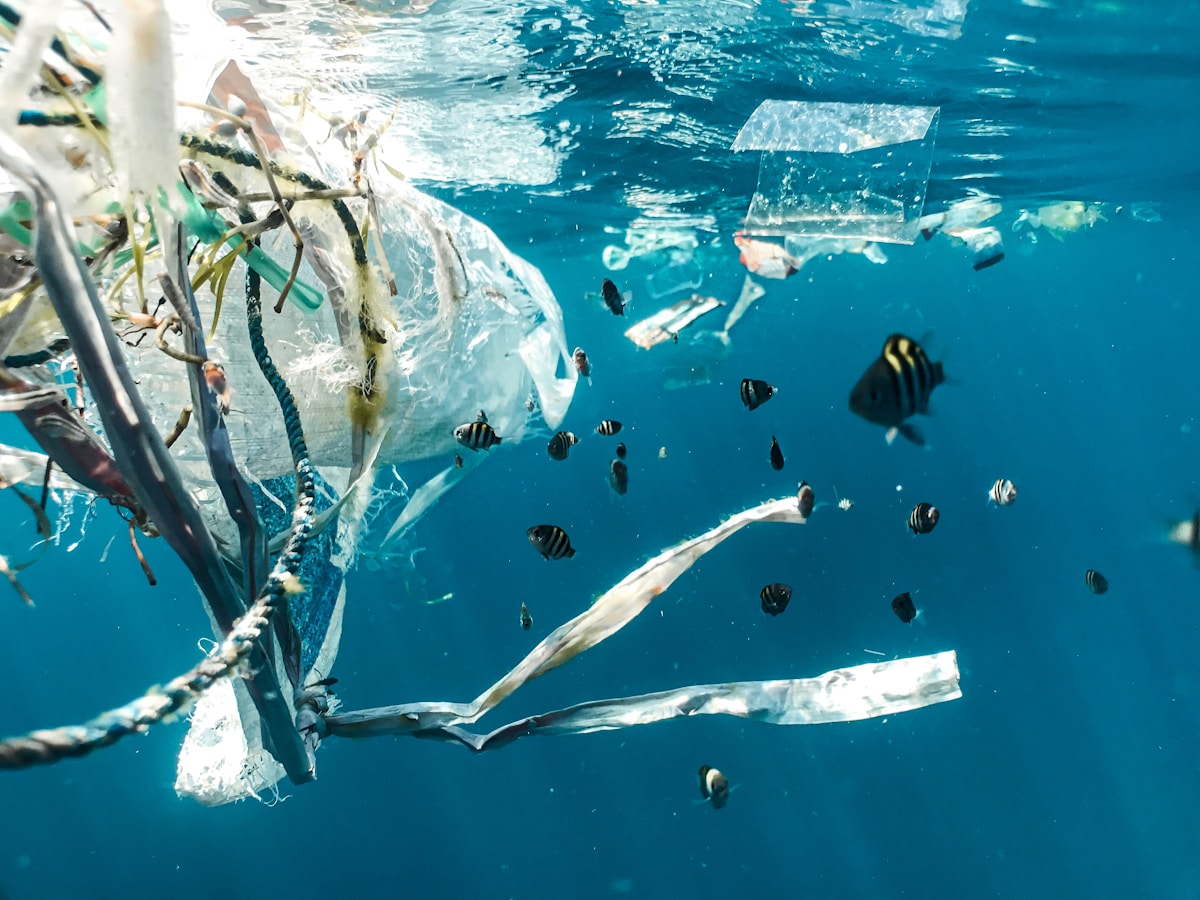
In nature, as across ecosystems, every species plays a role—and humanity's choices determine whether the web of life flourishes or frays. The sanctuary model acknowledges that our relationship with elephants has created responsibilities we cannot simply walk away from.
Conservationists have long documented the toll captivity takes on elephants. Repetitive pacing, swaying, and self-harm behaviors—rarely seen in wild populations—become common in confined elephants. The new sanctuary model addresses these welfare concerns while acknowledging that many captive-born elephants can never be released to the wild, lacking survival skills and suitable habitat.
The sanctuary's opening follows years of pressure on circuses and zoos across Europe to end elephant keeping. France, Italy, and the Netherlands have restricted or banned wild animals in circuses. Now, rather than euthanizing or abandoning elephants as entertainment venues close, Europe has a retirement option.
The approach parallels successful sanctuaries in Tennessee and California that have rehabilitated dozens of elephants from defunct circuses and roadside zoos. These facilities demonstrate that elephants, even after decades in poor conditions, recover remarkably when given space and social companionship. Elephants arrive with worn feet and trauma responses, but within months begin exhibiting natural behaviors many had suppressed for years.
The sanctuary's existence raises broader questions about captive wildlife management. If elephants require such extensive resources for minimal welfare—hundreds of acres, specialized care, and lifelong support—should they be kept in typical zoo settings at all? Conservation breeding programs have proven largely unsuccessful for elephants, with most zoo-born calves never released to supplement wild populations.
Critics of total elephant phase-outs note that well-run zoos educate millions about elephant conservation and fund field protection programs. However, sanctuaries can fulfill educational missions while prioritizing animal welfare over visitor convenience.
The timing proves critical as wild elephant populations face escalating threats. African elephant numbers have declined by over 110,000 in the past decade due to poaching and habitat loss. Asian elephants, numbering fewer than 50,000, face similar pressures. Conservation requires focusing resources where they matter most—protecting wild habitats and corridors, reducing human-elephant conflict, and combating poaching.
For the elephants now settling into their European sanctuary, the change means everything. Where concrete once stretched beneath their feet, earth now cushions each step. Where bars once defined their world, open sky now extends in every direction. It's a freedom they've never known—and a model other nations might follow as attitudes toward captive wildlife continue evolving.
The sanctuary represents recognition that some wrongs can be partially righted, that the giants we once exploited deserve better in their remaining years, and that compassion sometimes requires creating spaces where animals can simply be. The model demonstrates that when human entertainment collides with animal welfare, we now possess the means—and increasingly, the will—to choose differently.
As more circuses close and zoos reevaluate elephant programs, Europe's first sanctuary offers a blueprint for compassionate transition. The elephants roaming its grounds carry not just their own histories of confinement and recovery, but also the promise that our relationship with captive wildlife can evolve toward greater responsibility and respect.