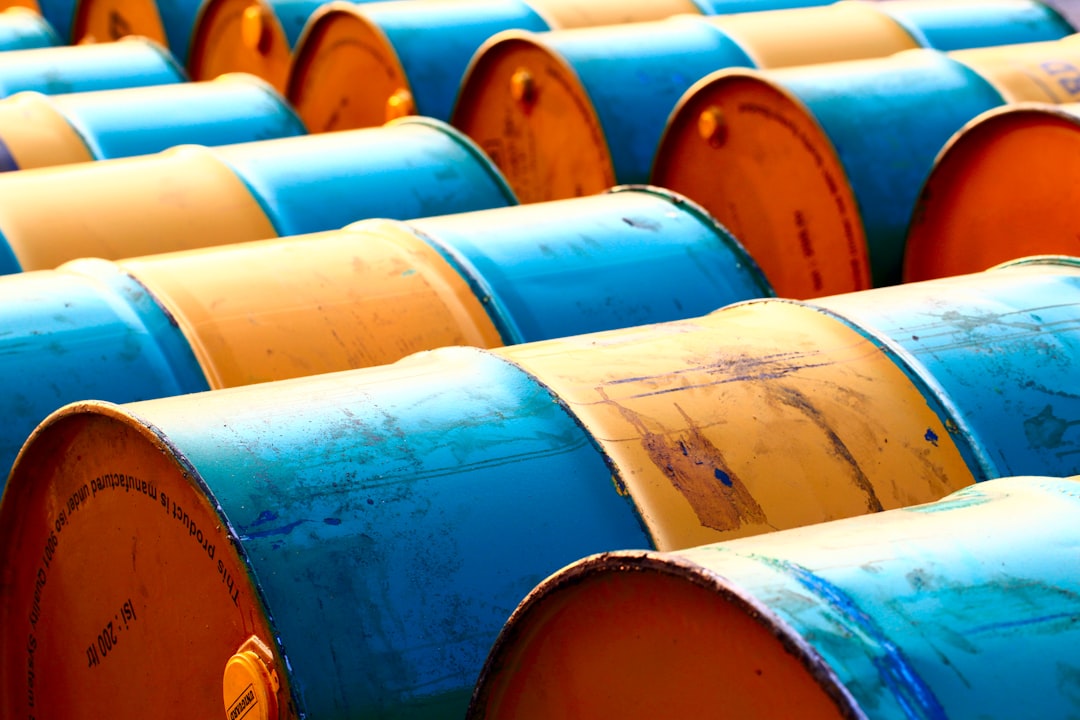
Brent crude spot prices surged to $141 per barrel on Wednesday, the highest level since the 2008 financial crisis, as the escalating Iran conflict threatens global oil supplies through the critical Strait of Hormuz.
The spike in so-called "dated Brent"—the price for physical oil cargo ready for immediate delivery—signals acute supply anxiety in energy markets. This isn't a paper futures game anymore. Real barrels, bound for real refineries, are commanding prices not seen in nearly two decades.
The consumer impact will be immediate and brutal. At $141 oil, Americans should brace for gasoline prices approaching $5-6 per gallon nationally within weeks, with higher costs in states like California where refining capacity is constrained. Airlines will face margin compression that could trigger fare increases of 15-20% on international routes. Shipping costs for everything from groceries to electronics will rise as carriers pass through fuel surcharges.
For corporate America, this is a profit margin crisis. Energy-intensive industries—chemicals, plastics manufacturing, steel production—will see input costs spike at precisely the wrong moment, with the economy already navigating tariff headwinds. The numbers don't lie: every $10 increase in oil prices translates to roughly 0.2% off GDP growth, according to Oxford Economics analysis.
The Iran factor changes everything. Unlike previous oil shocks driven by OPEC production cuts or demand surges, this crisis stems from genuine supply disruption risk. Nearly 20% of global oil passes through the Strait of Hormuz daily. Iranian strikes on commercial infrastructure—including the unprecedented attack on Oracle's data center in Dubai—demonstrate Tehran's willingness to target economic chokepoints.
What's particularly alarming for energy analysts: the dated Brent premium over futures contracts has widened dramatically, indicating traders see immediate supply tightness that won't ease quickly. This isn't speculative positioning. This is real buyers competing for scarce physical barrels.
Central banks face an impossible dilemma. Spiking energy costs will drive headline inflation higher just as the Federal Reserve and European Central Bank were considering whether to cut rates to support growth. Now they're trapped: raise rates to fight inflation and risk recession, or hold steady and watch inflation expectations de-anchor.