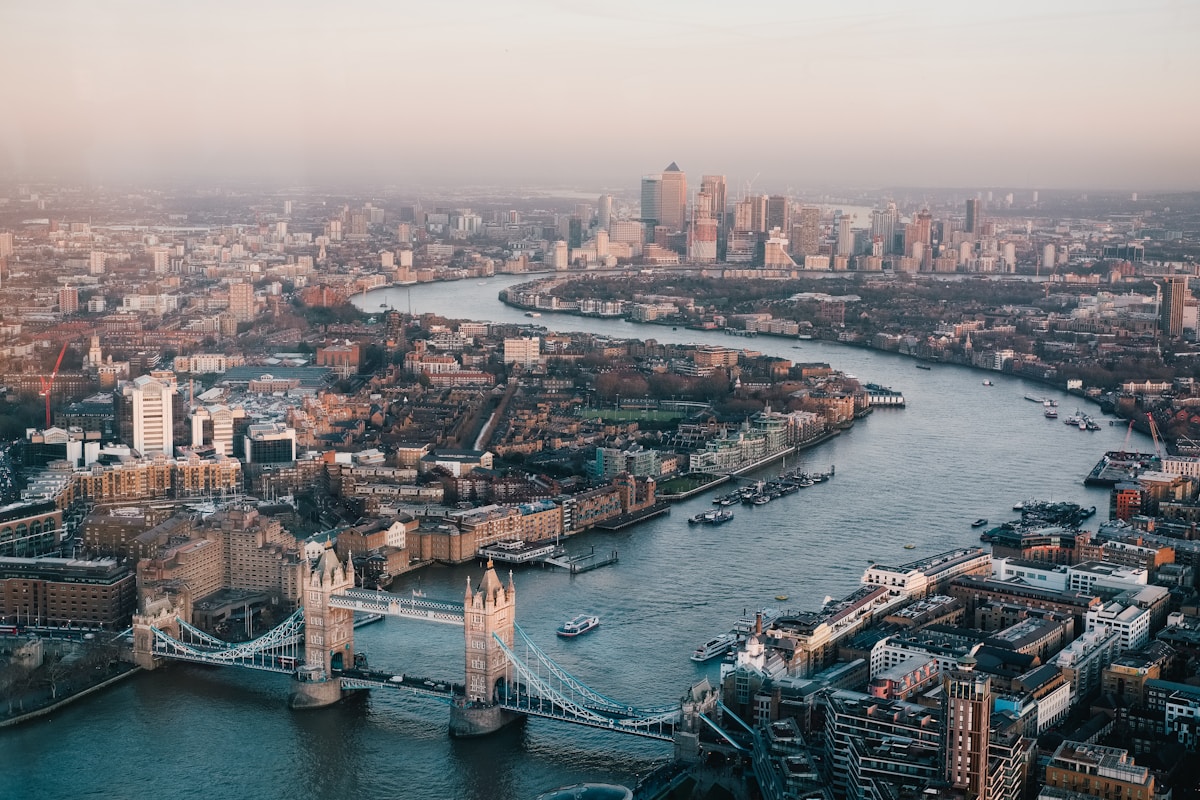
The United Kingdom is heading into recession as oil prices surge past $95 per barrel and economic growth flatlines, according to new forecasts from the National Institute of Economic and Social Research.
The timing couldn't be worse for Prime Minister Keir Starmer's government. After barely avoiding recession in late 2025, the UK economy posted 0.0% growth in the final quarter, revised down from an initial estimate of 0.1%. Now, with Middle East tensions threatening to push crude toward $100, economists are forecasting two consecutive quarters of contraction—the technical definition of recession.
The UK is particularly vulnerable to energy shocks. Unlike the United States, which is a net energy exporter, Britain imports roughly 40% of its total energy consumption. The country's shift away from North Sea oil production and its continued reliance on natural gas for electricity generation create a double exposure to global commodity markets.
Here's the math that should worry Downing Street. Every $10 increase in oil prices adds roughly 0.3 percentage points to UK inflation and subtracts about 0.2 percentage points from GDP growth, according to Bank of England models. With Brent crude up $20 from January lows, that translates to a 0.6% inflation boost and a 0.4% GDP drag—enough to tip a stalling economy into reverse.
The Bank of England is caught in a classic stagflation trap. Inflation, which had finally fallen to 3.2% in February, is now expected to accelerate back above 4% as energy costs flow through to consumer prices. At the same time, rising costs and weakening consumer demand are squeezing businesses, making rate cuts to stimulate growth economically risky.
Andrew Bailey, the Bank's governor, has hinted that the Monetary Policy Committee may need to hold rates higher for longer despite the growth slowdown. That's the opposite of what a country entering recession typically needs, but the alternative—cutting rates into rising inflation—risks unmooring inflation expectations and weakening the pound further.