

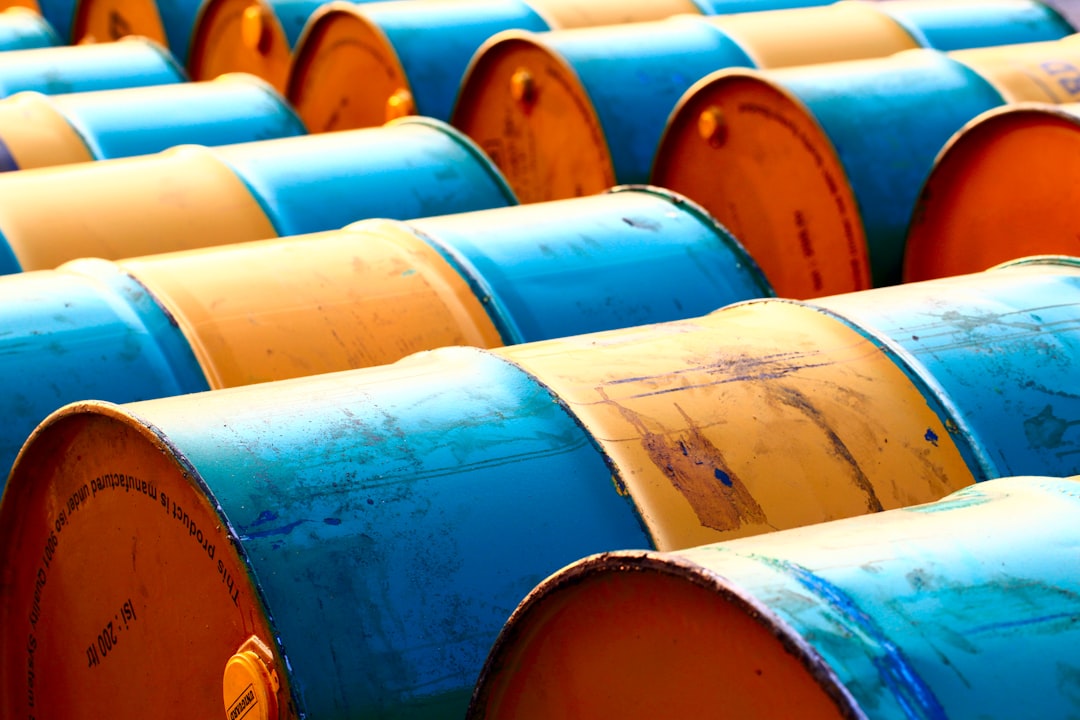
Global oil prices jumped 7 percent on Wednesday as President Trump's threat to bomb Iran deepened fears that the Strait of Hormuz closure could trigger a prolonged energy crisis.Brent crude futures settled at $98.40 per barrel, while West Texas Intermediate rose to $94.15, according to Reuters market data. The sharp increase reflects growing anxiety among traders that diplomatic efforts will fail to reopen the critical waterway through which 21 million barrels of oil flow daily—roughly one-fifth of global consumption.Energy analysts now warn that sustained military conflict could push prices to $200 per barrel, a threshold that would trigger severe economic consequences worldwide. "We're entering uncharted territory," said Amrita Sen, chief oil analyst at Energy Aspects in London. "The last time we faced a supply disruption of this magnitude was during the 1973 oil embargo."To understand today's headlines, we must look at yesterday's decisions. This would mark the third major energy shock in less than a decade. The 2014-2015 oil price collapse devastated producing nations and energy companies. The 2022 crisis, triggered by Russia's invasion of Ukraine, sent European natural gas prices to record highs. This new disruption threatens to eclipse both in terms of economic damage.The immediate impact is already visible across global markets. Taiwan's China Airlines announced a 157 percent increase in fuel surcharges on international flights, effective immediately. Focus Taiwan reports that the surcharge will add between $80 and $320 to ticket prices depending on route length, making international travel prohibitively expensive for many consumers.European and Asian economies face particularly acute vulnerability. Japan, South Korea, and import the vast majority of their oil through the , with no immediate alternative supply routes. , which sources roughly 40 percent of its crude from the , has begun emergency releases from its strategic petroleum reserve.The ripple effects extend far beyond transportation. Chemical manufacturers, agricultural producers reliant on petroleum-based fertilizers, and plastics industries all face . Central banks in oil-importing nations confront the nightmare scenario of simultaneous inflation and economic slowdown—the dreaded stagflation that paralyzed Western economies in the 1970s.Some major oil producers stand to benefit from higher prices, but even they face risks. and the , while enjoying windfall revenues, worry about Iranian retaliation against their own energy infrastructure. Insurance companies have already stopped covering tankers in the region, effectively halting even theoretical shipments from Gulf ports.Financial markets have responded with volatility. European stock indices fell 2.3 percent on Tuesday, while Asian markets opened sharply lower Wednesday morning. Gold prices surged as investors sought safe-haven assets, reaching $2,380 per ounce—a new record high.The longer the crisis persists, the more structural damage occurs to global supply chains built on the assumption of cheap, reliable energy. That assumption, forged during decades of relative calm in the , is now being fundamentally tested.
|



/file/dailymaverick/wp-content/uploads/Becs-roelfmeyer2.jpg)