

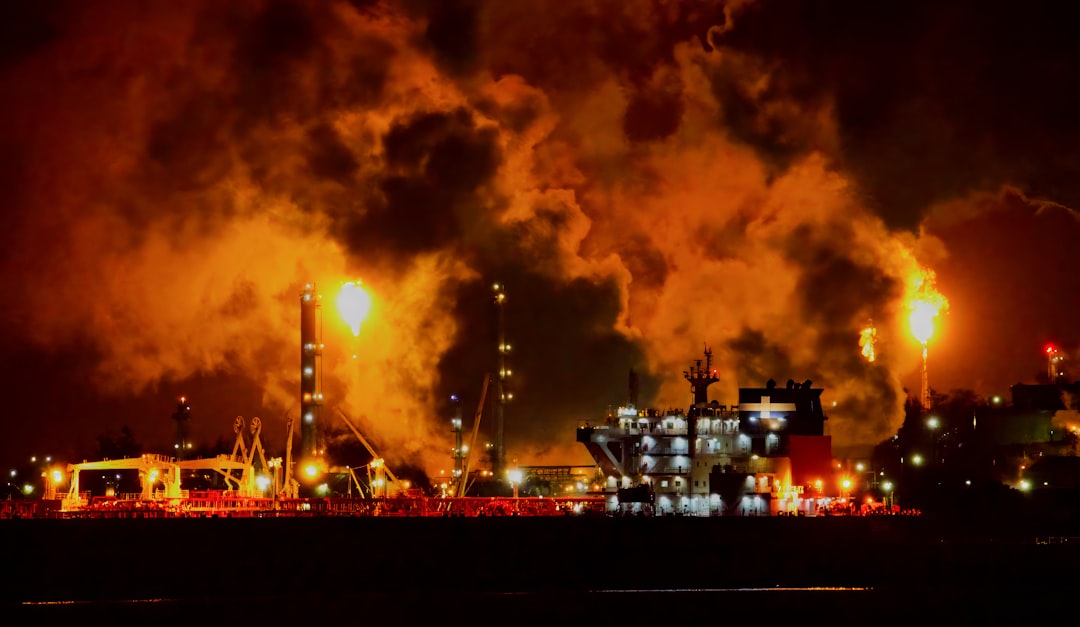
Dated Brent crude—the benchmark for physical oil cargoes—soared to $141 per barrel on Thursday, reaching levels not seen since the depths of the 2008 financial crisis, as Iran's continued blockade of the Strait of Hormuz chokes off roughly one-fifth of global petroleum supply.
The surge in spot prices for actual crude deliveries reflects mounting panic among refiners and traders over the availability of physical barrels, even as futures markets—which measure expectations for oil delivered months from now—trade at a relative discount. This unusual backwardation structure signals that the market believes current supply disruptions are temporary, but is willing to pay extraordinary premiums for oil that can be delivered immediately.
"We are in a supply crisis, not a demand crisis," said Amrita Sen, chief oil analyst at Energy Aspects. "The Strait of Hormuz closure has removed millions of barrels per day from the market at a time when global inventories were already tight. This is a recipe for price spikes."
Approximately 21 million barrels of crude oil and petroleum products pass through the Strait of Hormuz daily under normal conditions—about 21% of global petroleum consumption. Since Iran effectively closed the waterway to commercial shipping in late January, that flow has been reduced to a trickle, with only a handful of vessels willing to risk transit despite naval escorts.
The economic consequences are cascading through the global economy. In Europe, diesel prices have jumped 47% in six weeks, straining transportation companies and farmers preparing for spring planting. In Asia, governments are releasing strategic petroleum reserves to dampen price increases, but those stockpiles are finite.
To understand today's headlines, we must look at yesterday's decisions. The 2008 oil price spike—which peaked at $147 per barrel in July of that year—was driven by speculation and strong demand from a booming China. Prices collapsed within months as the global financial crisis destroyed demand. The current crisis is fundamentally different: from the market, and restoring it requires either diplomatic breakthrough or military victory.



/file/dailymaverick/wp-content/uploads/Becs-roelfmeyer2.jpg)