Oil industry executives are calling the fallout from the US-Israel conflict with Iran the worst operational crisis they've ever witnessed, as supply chain disruptions and geopolitical uncertainty hammer production and refining operations.
"This is the worst I've seen in 35 years," one senior oil executive told reporters at the CERAWeek energy conference in Houston this week. The comment, echoed by multiple industry leaders, reflects growing alarm about threats to critical infrastructure and shipping routes.
The immediate concern is the Strait of Hormuz, through which roughly 20% of global oil supplies pass daily. While the waterway remains technically open, insurance costs for tankers have skyrocketed, and several shipping companies have rerouted vessels around Africa—adding two weeks and substantial costs to each voyage.
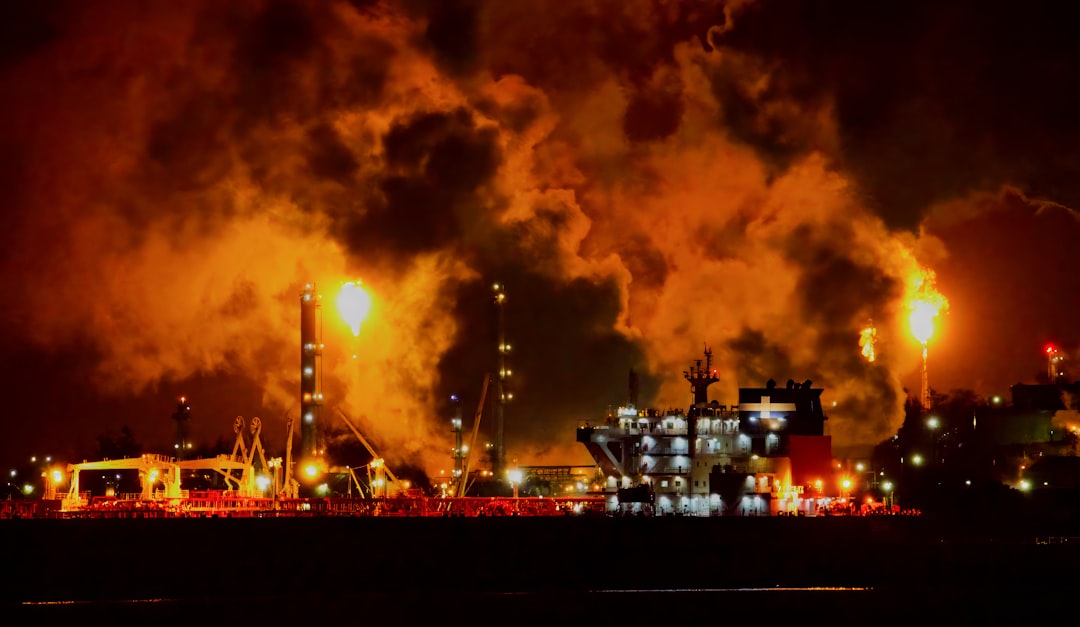
Refinery operators face even more acute problems. Several facilities in the Persian Gulf have reduced output or shut down entirely due to security concerns. ExxonMobil and Chevron have evacuated non-essential personnel from installations in Saudi Arabia and the United Arab Emirates. Shell reported that its joint venture refinery in Qatar is operating at 60% capacity.
The financial impact is staggering. Industry analysts estimate that each day of disrupted operations costs major oil companies $50-100 million in lost production and higher operating expenses. Smaller independent producers are getting crushed—several have already suspended operations entirely.
What makes this crisis unprecedented isn't just the immediate disruption but the lack of clear resolution. Unlike previous Middle East conflicts where combatants eventually found off-ramps, this one shows no signs of de-escalation. has explicitly rejected ceasefire offers and continues to threaten energy infrastructure.