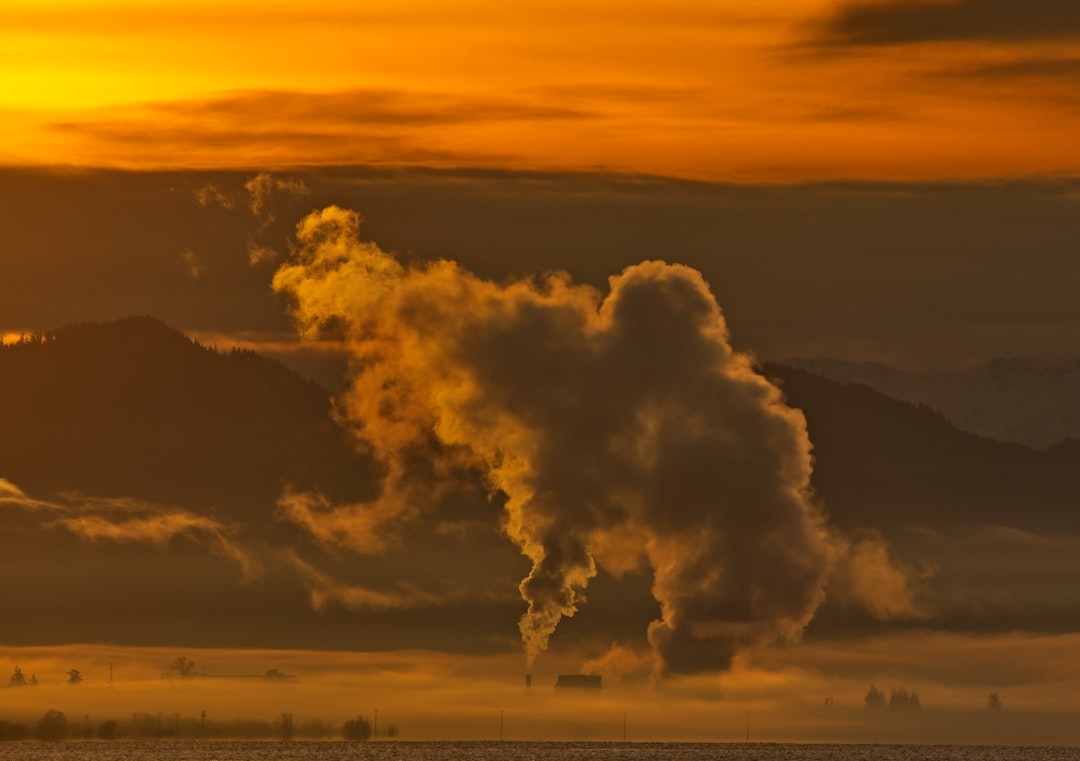
HNZS Te Kaha, one of New Zealand's two frontline frigates, has leaked up to 300 litres of oil into pristine Akaroa Harbour due to an engine fault, raising fresh questions about the country's aging naval capabilities at precisely the wrong moment in Pacific security competition.
The spill occurred Saturday morning when a defect in an oil cooler on the frigate's starboard engine caused the leak during a training exercise. The crew responded immediately with absorbent pads and deployed an inflatable boat to disperse remaining oil on the water's surface.
A Defence Force spokesperson confirmed that "the source of the leak has been isolated and no further oil is leaking," while Environment Canterbury led cleanup efforts focusing on containment and recovery. Regional on-scene commander Emma Parr stated the containment method was proving effective, though operations would continue based on weather, daylight, and sea conditions.
Mate, here's the uncomfortable truth: this isn't just an environmental incident. It's a stark reminder that New Zealand's naval capability is deteriorating at exactly the time when the country needs a credible Pacific presence. HNZS Te Kaha, commissioned in 1997, is nearly 30 years old. The Royal New Zealand Navy has been struggling with aging vessels, maintenance challenges, and capability gaps for years.
And this matters beyond New Zealand's borders. The Pacific is the arena for intensifying great power competition. China is expanding its naval presence, signing security pacts with Solomon Islands, eyeing Kiribati, and steadily building influence across island nations that have traditionally looked to Wellington and for security partnerships. A navy that can't reliably operate without spilling oil into harbors is a navy that can't project credible presence when it matters.