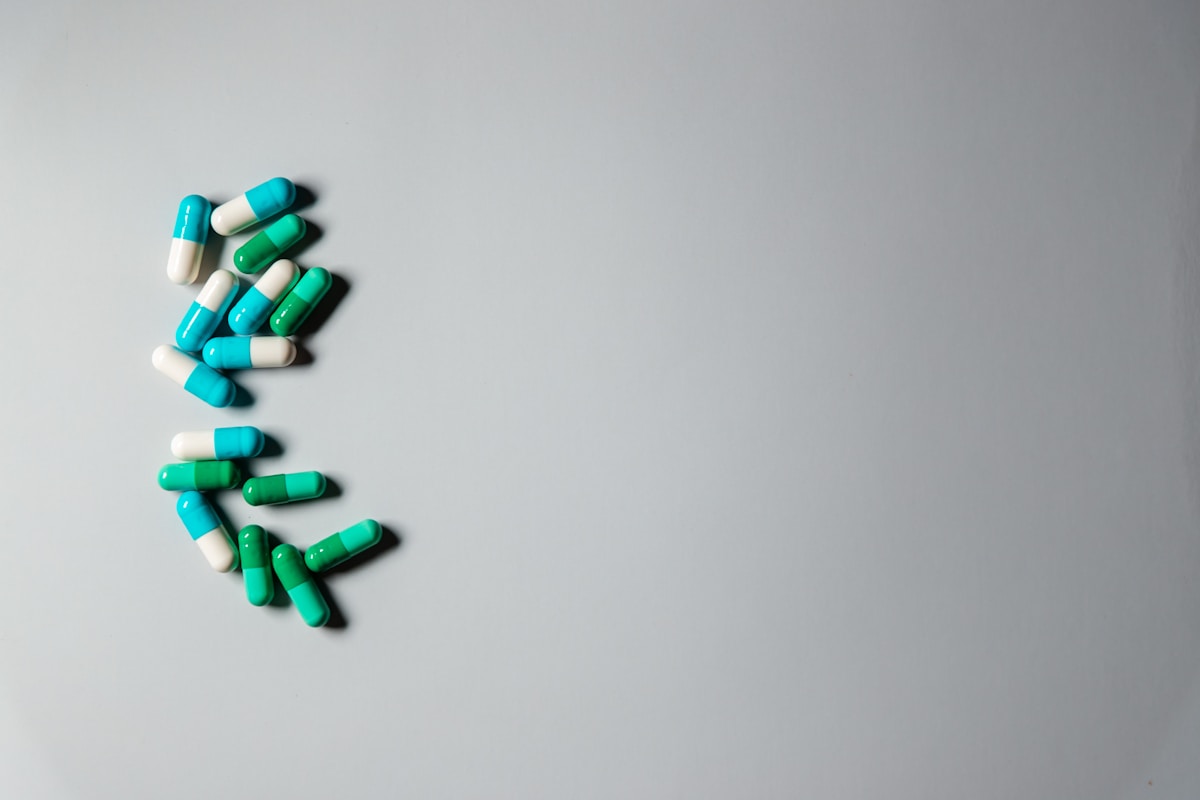
In a move that signals intensifying competition in the blockbuster weight-loss drug market, Novo Nordisk announced it will slash list prices for Ozempic and Wegovy by up to 50% starting in 2027, marking one of the most aggressive pricing actions in pharmaceutical industry history.
The Danish drugmaker framed the decision as improving access for insured patients, but make no mistake—this is defense, not altruism. Novo Nordisk is facing mounting pressure from Eli Lilly's competing GLP-1 drugs, potential generic entrants, and political scrutiny over drug pricing that has turned these medications into a lightning rod for healthcare reform debates.
The numbers don't lie, but executives sometimes do. And the numbers here tell a clear story: Novo Nordisk is trading margin for market share before competitors eat their lunch. The company's GLP-1 franchise generated $21.1 billion in revenue in 2025, accounting for nearly 60% of total sales. Protecting that golden goose is worth sacrificing some profit per unit.
Current list prices for Wegovy run approximately $1,349 per month in the United States—among the highest prescription drug costs in the country. A 50% reduction would bring monthly costs to around $675, still expensive but potentially expanding the addressable market among insured patients whose copays are tied to list prices.
The competitive landscape has shifted dramatically in the past 18 months. Eli Lilly's Zepbound and Mounjaro have gained significant market share, with some studies suggesting superior efficacy for weight loss. Lilly has also been more aggressive on pricing and access programs, putting pressure on Novo's first-mover advantage.
Then there's the generic threat. Multiple manufacturers have announced plans to launch generic versions of GLP-1 drugs by 2028, once certain patents expire. Novo Nordisk clearly decided that preemptive price cuts to lock in market share beat waiting for generics to undercut them by 80%.
Wall Street's reaction has been measured. Novo Nordisk's stock dipped 3% on the announcement, with analysts modeling that the price cuts could reduce 2027 earnings by 15-20% if volume doesn't compensate. But the alternative—losing substantial market share to Lilly and future generics—could be far worse.
Here's the strategic calculation: Novo Nordisk has roughly 18 months before the price cuts take effect. That's time to maximize revenue at current prices, build brand loyalty, and expand production capacity to serve a larger patient population at lower per-unit margins. It's classic market share defense, executed with typical Scandinavian pragmatism.
The move also has political dimensions. Congressional scrutiny of GLP-1 pricing has intensified, with Medicare coverage debates dominating healthcare policy discussions. By voluntarily cutting prices, Novo Nordisk removes some ammunition from critics calling for government price controls—a far worse outcome from the company's perspective.
For patients, the impact depends heavily on insurance design. Those with high-deductible plans or percentage-based copays will benefit substantially. But patients whose insurers negotiate separate rebates may see minimal change, since the gross-to-net pricing spread in pharmaceuticals often masks the true economics.
The broader pharmaceutical industry is watching closely. GLP-1 drugs represent one of the most lucrative medication classes in history, with total market projections exceeding $100 billion annually by 2030. How this pricing war plays out will influence strategy across diabetes, obesity, and cardiovascular medications.
The bottom line: Novo Nordisk is making a calculated bet that lower prices and higher volume will protect its dominance in a market that's too big and too important to surrender. Whether that strategy works depends on execution, competitive response, and whether next-generation GLP-1 drugs reset the playing field entirely. But one thing is certain—the era of unchallenged pricing power for blockbuster drugs is ending, and Big Pharma is adapting in real time.