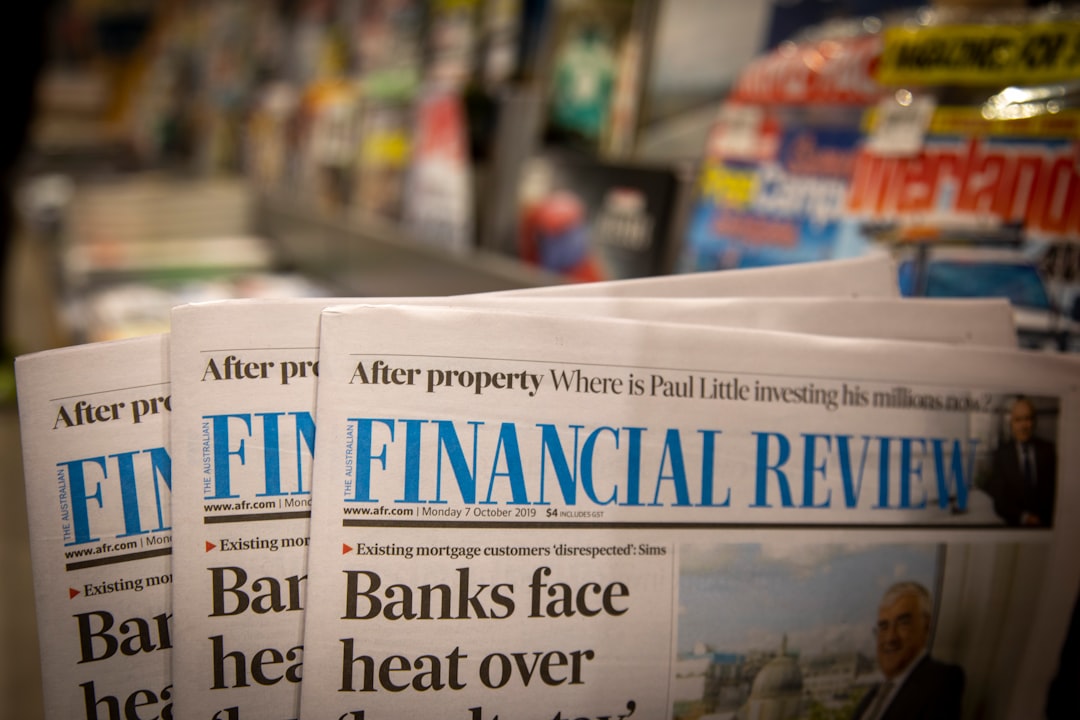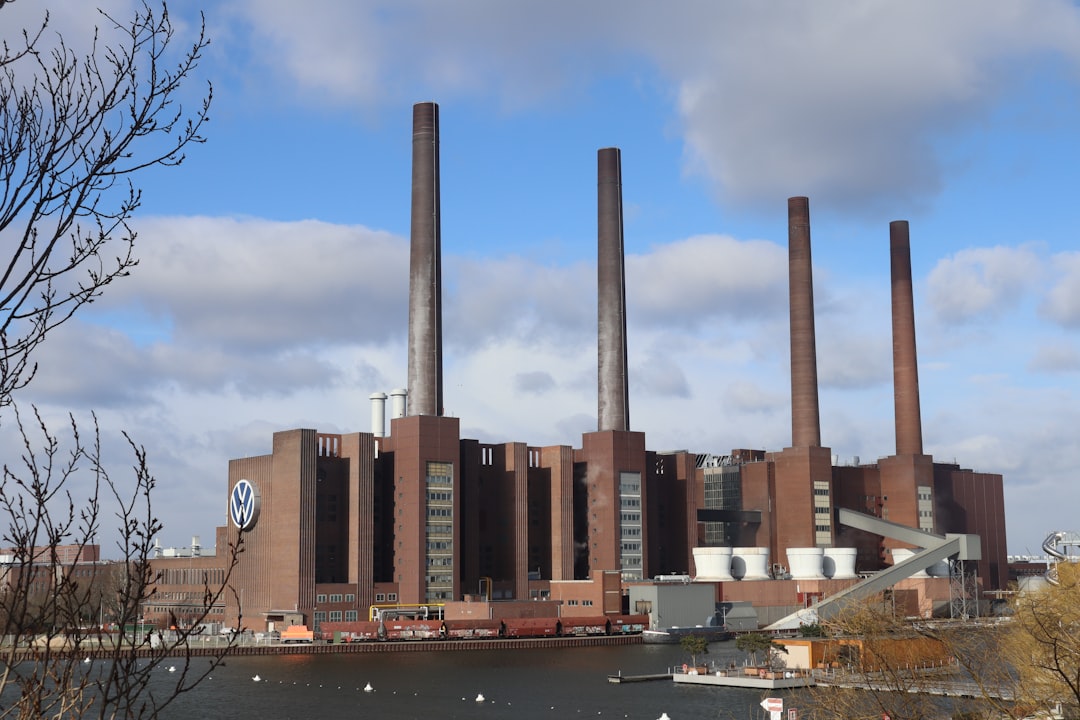
Soaring energy prices triggered by the Iran conflict have derailed Germany's anticipated economic rebound, threatening Europe's largest economy with renewed recession, according to CNBC. The development raises fundamental questions about the continent's energy security strategy and dependence on volatile Middle East supplies.
The German government has slashed its 2026 growth forecast from 1.0 percent to 0.5 percent, with 2027 projections reduced from 1.3 percent to 0.9 percent. Inflation is now expected to reach 2.7 percent this year and 2.8 percent next year, reversing progress made since the 2022 energy shock following Russia's invasion of Ukraine.
To understand today's headlines, we must look at yesterday's decisions. Germany spent decades building an energy policy centered on cheap Russian natural gas and nuclear phase-out. When Moscow weaponized gas supplies in 2022, Berlin scrambled to diversify, turning to liquefied natural gas imports from the Middle East, United States, and other suppliers. This shift reduced Russian dependency but exposed Germany to different geopolitical risks, now manifesting in the Iran crisis.
Brent crude prices have surged nearly 73 percent year-to-date as markets anticipate the American blockade on Iran will tighten global supply. Germany imports approximately 6 percent of its energy from the Middle East and relies heavily on energy-intensive industries that employ roughly 1 million workers. Chemical manufacturers, steel producers, and automotive companies face mounting costs that threaten competitiveness.
Business sentiment has deteriorated sharply. The Ifo Institute's business climate index dropped to 84.4 in April from 86.3 in March, marking the lowest level since May 2020 during the pandemic lockdowns. The ZEW Indicator of Economic Sentiment plummeted 16 points to -17.2, its worst reading since December 2022.