Latvian authorities have arrested Andrei Lankov, a prominent Russian-born academic renowned for his expertise on North Korea, according to South Korean media reports. The detention of such a high-profile scholar in Riga underscores the Baltic states' heightened security vigilance amid complex geopolitical tensions.
The arrest, <link url='https://www.chosun.com/english/world-en/2026/02/25/5JQXPQQUMVGJVH6HU2D6IX726U/'>reported by South Korea's Chosun Ilbo</link>, comes at a particularly sensitive moment for the Baltic region. While specific charges against Lankov have not been publicly disclosed, the timing reflects Latvia's acute awareness of intelligence threats on NATO's eastern flank.
Lankov, who has spent decades studying North Korean society and politics, is considered one of the world's foremost experts on Pyongyang. His work at Seoul's Kookmin University and frequent media commentary have made him a prominent voice on North Korean affairs. The Russian-born historian's expertise has been particularly valuable as international attention focuses on North Korea's deepening military cooperation with Russia.
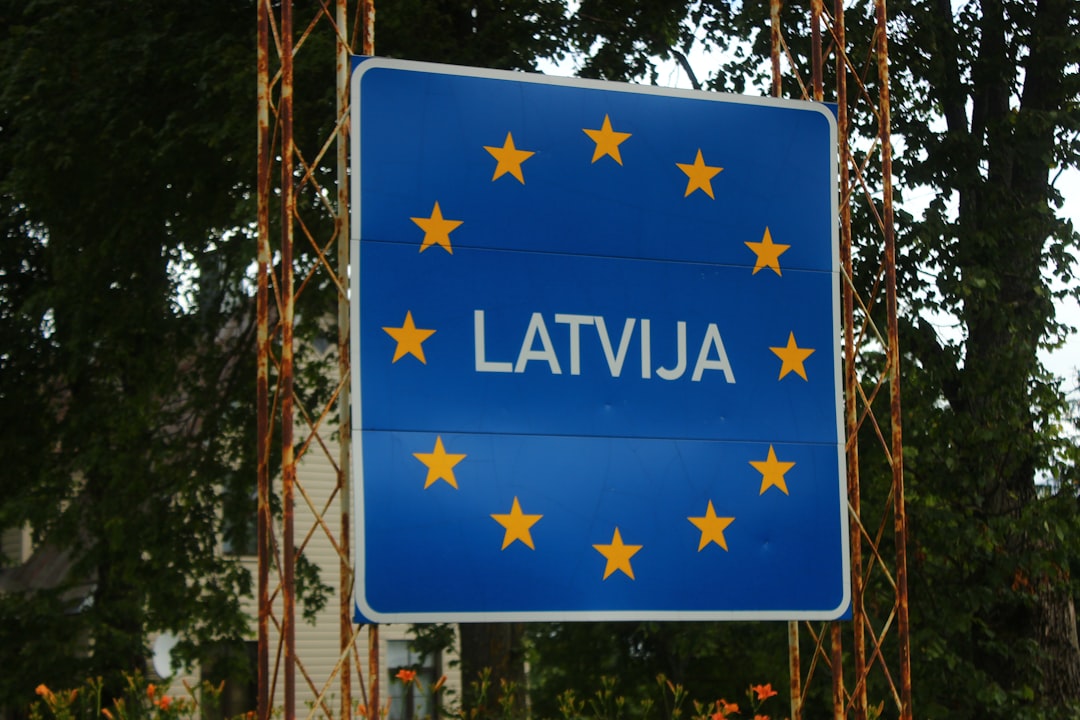
In the Baltics, as on NATO's eastern flank, geography and history create an acute awareness of security realities. Latvia, which shares no border with Russia but maintains intense security cooperation with Estonia and Lithuania, has intensified counterintelligence operations since Russia's full-scale invasion of Ukraine in 2024.
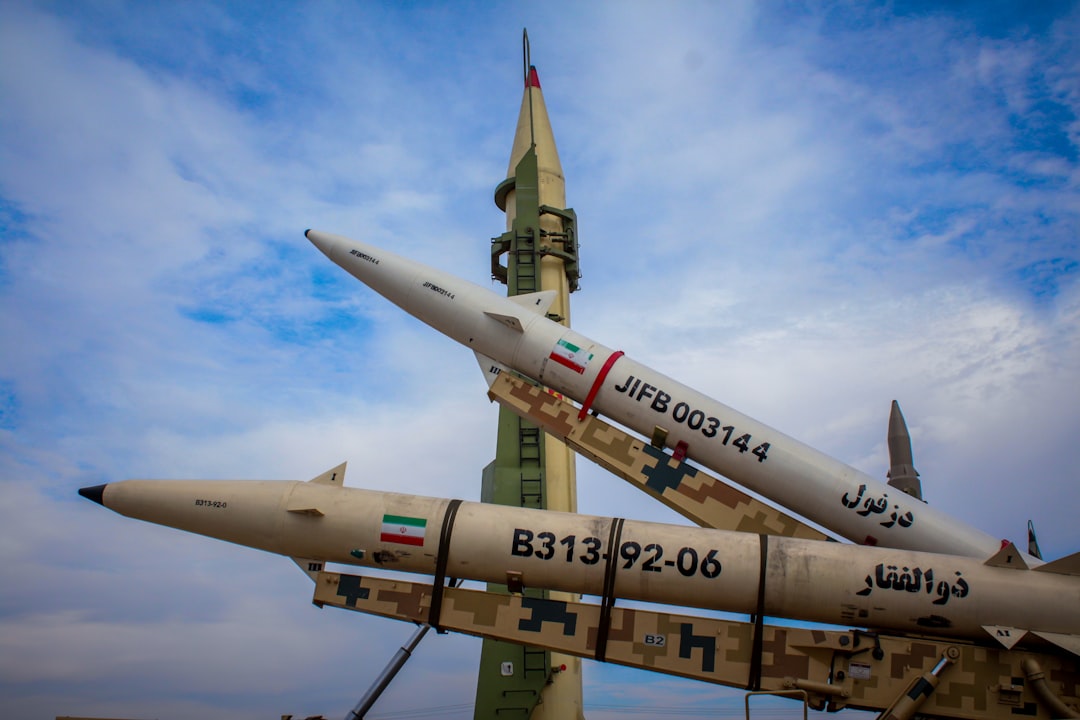
The connection between North Korea and Russia has become increasingly significant for Baltic security assessments. Pyongyang has supplied artillery shells and missiles to support Russia's war effort, while North Korean troops have reportedly been deployed to Russian territory. This military partnership has elevated concerns about intelligence sharing between the two authoritarian states.
Baltic intelligence services have documented increased Russian espionage activities targeting the region's NATO infrastructure and decision-making processes. Latvia's State Security Service regularly reports arrests of individuals suspected of gathering intelligence for Moscow, though cases involving academics with Russian backgrounds and international profiles remain relatively rare.
The circumstances surrounding Lankov's detention remain unclear. Latvian authorities have not released details about the nature of the investigation or whether it relates to his academic work, his Russian citizenship, or potential connections to intelligence activities. The lack of official statements suggests the case may involve sensitive security matters that Latvian intelligence services are still investigating.
For the Baltic states, which regained independence from Soviet occupation only in 1991, security decisions carry particular weight. Their frontline position in NATO and proximity to Russian and Belarusian territory make them acutely sensitive to potential intelligence threats. The arrest of a prominent academic demonstrates Latvia's willingness to act decisively when security concerns arise, regardless of an individual's international standing.
The case also highlights the complex position of Russian-speaking academics and experts who work on sensitive geopolitical topics. While Lankov has built his career on objective analysis of North Korean affairs, his Russian background and expertise on a state closely aligned with Moscow may have raised questions in Latvia's security apparatus.
As the investigation continues, the Lankov arrest serves as a reminder of the multifaceted security challenges facing the Baltic region—where concerns about Russian aggression intersect with broader questions about North Korean military cooperation and intelligence networks spanning multiple continents.