Seoul — North Korea has opened a new museum glorifying soldiers killed while fighting for Russia in Ukraine, a chilling propaganda move that underscores the deepening military alliance between Pyongyang and Moscow and expands the conflict's implications to East Asian security.
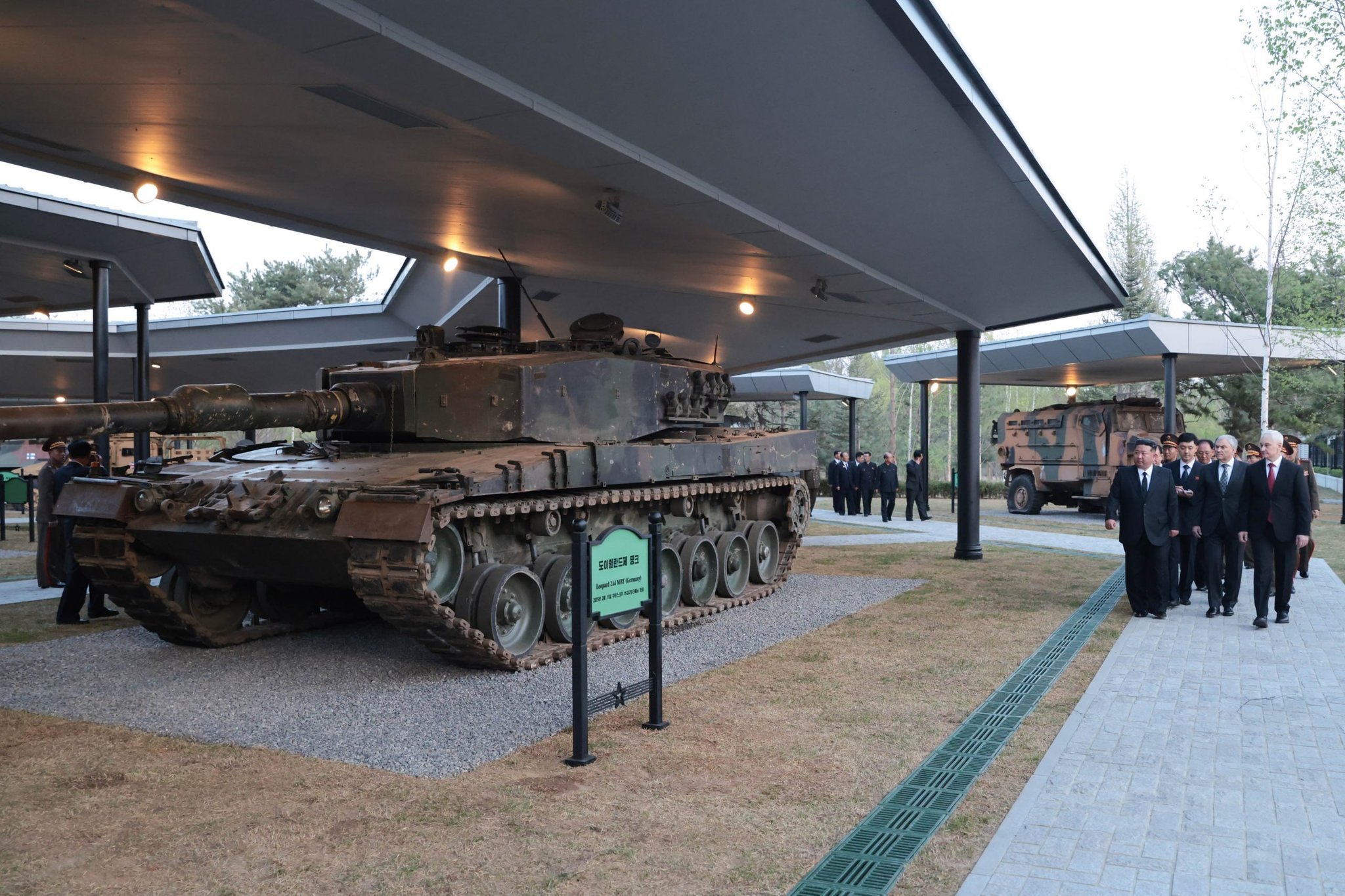
The Memorial Museum of Combat Feats at Overseas Military Operations opened this week in Pyongyang, featuring captured Ukrainian military equipment and exhibits honoring North Korean troops killed fighting alongside Russian forces, according to reports from military intelligence sources.
Russian officials, including delegates from Moscow, attended the museum's opening alongside North Korean leader Kim Jong Un, signaling the institutional nature of military cooperation that extends beyond weapons sales to direct troop deployment.
"This museum represents more than propaganda—it's North Korea publicly acknowledging and celebrating its combat role in Ukraine," said a South Korean defense analyst who monitors North Korean military activities. "It connects the Ukraine war directly to East Asian security dynamics."
In Ukraine, as across nations defending their sovereignty, resilience is not just survival—it's determination to build a better future. The museum's opening adds a disturbing international dimension to that struggle, as Ukraine now faces not only Russian forces but troops from one of the world's most isolated authoritarian regimes.
Western intelligence agencies have confirmed that North Korea has deployed thousands of troops to fight in Russia, primarily in the Kursk region where Ukrainian forces maintain positions inside Russian territory. Casualties among North Korean units have been significant, with some estimates suggesting hundreds killed in recent months.
The museum displays captured Ukrainian weapons systems, including Western-supplied equipment, which Pyongyang presents as trophies from what it characterizes as a righteous struggle against "Western imperialism." The propaganda framing aligns North Korea's ideological narrative with Russia's justifications for the invasion.
For South Korea and Japan, the North Korean deployment to Ukraine raises serious security concerns. North Korean troops are gaining modern combat experience against Western weapons systems and tactics—experience that could be applied to future conflicts in Northeast Asia.
"Every North Korean soldier who survives combat in Ukraine returns with knowledge of how to fight against Western military equipment and doctrine," explained a former South Korean military intelligence officer. "That's a direct threat to South Korean and Japanese security."
The museum opening also illustrates how Russia and North Korea have formalized their military partnership. In exchange for troops and massive artillery shell shipments, North Korea reportedly receives Russian technology assistance for its nuclear and missile programs, oil shipments, and hard currency—all in violation of international sanctions.
Ukrainian officials have expressed concern about the internationalization of the conflict. "We're fighting not just Russia, but an axis that includes North Korea and Iran," Ukrainian Foreign Minister spokesperson said in recent remarks. "This is about defending democratic values against authoritarian expansion globally."
The museum's exhibits include detailed accounts of battles involving North Korean troops, though independent verification of specific engagements is difficult given the closed nature of information from both Pyongyang and Moscow. Military analysts note that North Korean units have been deployed primarily in assault infantry roles, suffering high casualties in frontal attacks.
For North Korean families, the museum serves as the only public acknowledgment that their relatives have been sent to fight and die in a distant war. The regime's propaganda apparatus frames these deaths as heroic sacrifices rather than consequences of Kim Jong Un's decision to rent out his military to Russia's war effort.
Western governments have condemned both the North Korean deployment and the museum glorifying it. "This underscores that the war in Ukraine has global implications," a U.S. State Department official said. "Authoritarian regimes are cooperating to undermine international security."
As Ukraine continues its defense while pursuing European integration, the North Korean museum serves as a stark reminder that the conflict has evolved into a broader confrontation between democratic and authoritarian systems, with implications that extend far beyond Europe's eastern borders.