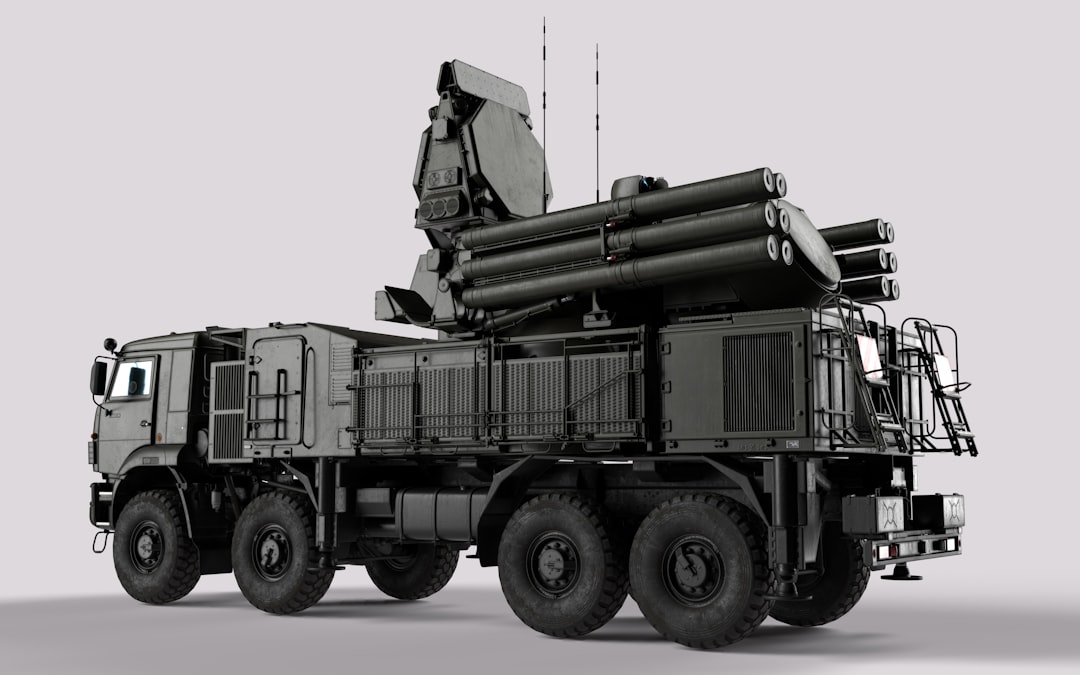

North Korea announced plans to deploy advanced 155-millimeter self-propelled gun-howitzers along its southern border this year, capable of striking Seoul from over 60 kilometers away, as leader Kim Jong Un inspected weapons production at a munitions factory.
The artillery deployment represents more than another weapons test—it accompanies a constitutional transformation that eliminates references to peaceful Korean unification and redefines North Korea's territory as only the northern half of the peninsula. South Korea's government confirmed the regime's revised constitution removes longstanding aspirations for unified statehood, marking a dramatic ideological shift.
Kim characterized the new artillery systems as providing "a great change and advantage" for military operations targeting the South, which he has designated as a "permanent and most hostile enemy." The announcement also included plans to deploy various missile systems and multiple rocket launcher platforms along the border region.
In North Korea, as across hermit states, limited information requires careful analysis—distinguishing regime propaganda from verified facts. The Kim regime's nuclear program and conventional force buildup serve rational survival goals: deterring external intervention, extracting concessions through crisis diplomacy, and legitimizing domestic control through external threat narratives.
The constitutional changes represent Pyongyang's formal abandonment of the unification doctrine maintained since the Korean War. Previous leadership—including Kim Jong Un's father and grandfather—preserved rhetorical commitment to unified statehood, even while building nuclear weapons and missile capabilities. The explicit rejection signals the regime's long-term strategic calculus has shifted toward permanent division.
Kim also inspected the destroyer Choe Hyon during naval exercises, ordering the vessel transferred to active service by mid-June. The warship represents most advanced naval platform to date, with additional destroyers planned for construction. Combined with the artillery deployment, these moves demonstrate the regime's continued military modernization despite international sanctions and diplomatic isolation.