
Germany has become a net electricity exporter again for the first time since 2023, according to Der Spiegel reporting, marking a significant milestone in the country's renewable energy transition despite persistent doubts about its post-nuclear energy strategy.
The return to net export status represents a notable reversal from the energy challenges that followed Germany's final nuclear phaseout in April 2023, when the last three reactors were shut down. Critics had warned that abandoning nuclear power would leave Germany dependent on fossil fuel imports and vulnerable to energy shortages—predictions that now appear premature.
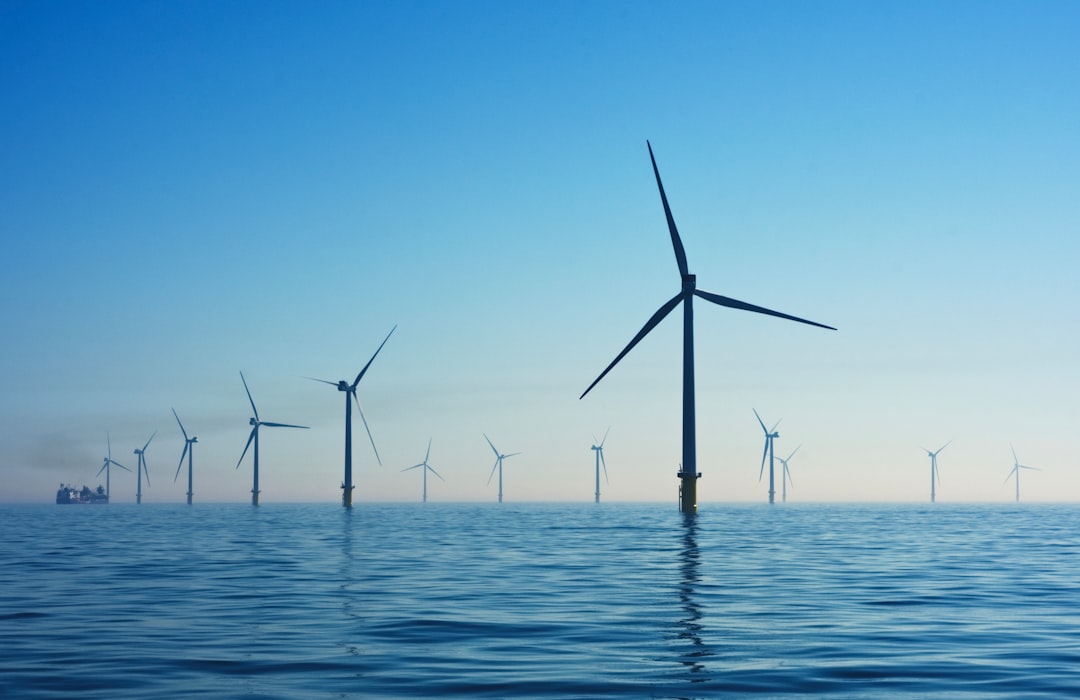
The shift reflects the continued expansion of renewable energy capacity, particularly wind and solar installations, which have increasingly compensated for the lost nuclear generation. Germany's renewable energy sector has seen substantial investment under the coalition government's climate agenda, with the Greens pushing for accelerated deployment of wind turbines and solar panels across multiple Länder.
According to industry data, renewable energy sources now account for more than half of Germany's electricity generation in many months, supported by favorable weather conditions and improved grid infrastructure. The country's ability to export power to neighboring European nations demonstrates that its grid stability has been maintained despite the nuclear exit.
In Germany, as elsewhere in Europe, consensus takes time—but once built, it lasts. The energy transition has proceeded methodically, with federal and state governments coordinating on grid expansion, offshore wind development, and the gradual retirement of coal-fired power plants.
European implications extend beyond electricity markets. Germany's experience serves as a test case for other EU member states considering their own energy transitions under the European Green Deal. The return to net export status suggests that large industrialized economies can maintain energy security while pursuing ambitious decarbonization targets—a narrative that supports Brussels' climate policy framework.