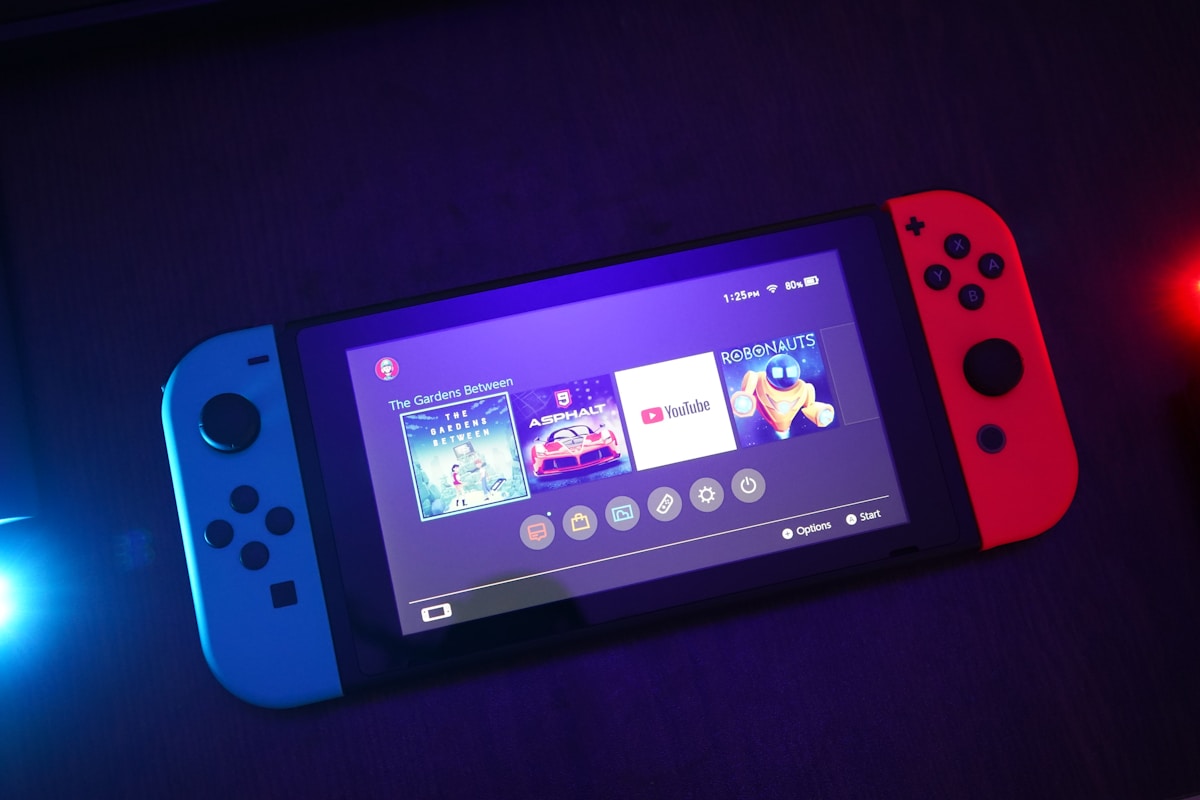
The Nintendo Switch has officially surpassed the DS to become Nintendo's best-selling console of all time with 155.37 million units sold. This isn't just a sales milestone - it vindicated Nintendo's bet that people wanted flexibility over raw power.
The Switch launched in 2017 as a radical experiment: a console that worked equally well docked to your TV or as a handheld device. Critics questioned whether anyone wanted a hybrid. Sony and Microsoft were chasing 4K graphics and teraflops. Nintendo proved that play anywhere matters more than pixel counts.
This matters because it defied conventional wisdom about what gamers want. The industry had decided that serious gaming required serious hardware. Mobile gaming was casual. Console gaming was immersive. Nintendo rejected that binary and built something that worked for both contexts.
The DS sold 154.02 million units between 2004 and 2011 - an impressive run. But the Switch's staying power is remarkable. Nearly eight years after launch, it's still moving units. The original Switch sold 1.36 million consoles in Q3 of fiscal 2026, largely because it's now affordable enough to be a secondary console for many households.
The Switch 2, announced recently, is performing even better. It moved 7.01 million units during the holiday period and hit 17.37 million total through Q3. Nintendo describes it as "the fastest-selling dedicated video platform released by Nintendo to date."
What's driving this success? Games, obviously. Mario Kart World has sold 14 million copies. Donkey Kong Bananza moved 4.25 million since the Switch 2 launch. Upcoming titles like Mario Tennis Fever and Pokemon Pokopia should sustain momentum.
But the hardware philosophy matters too. The Switch succeeded because Nintendo understood something fundamental: . Being able to play on your TV, then pick it up and continue on a plane, turned out to be incredibly valuable.