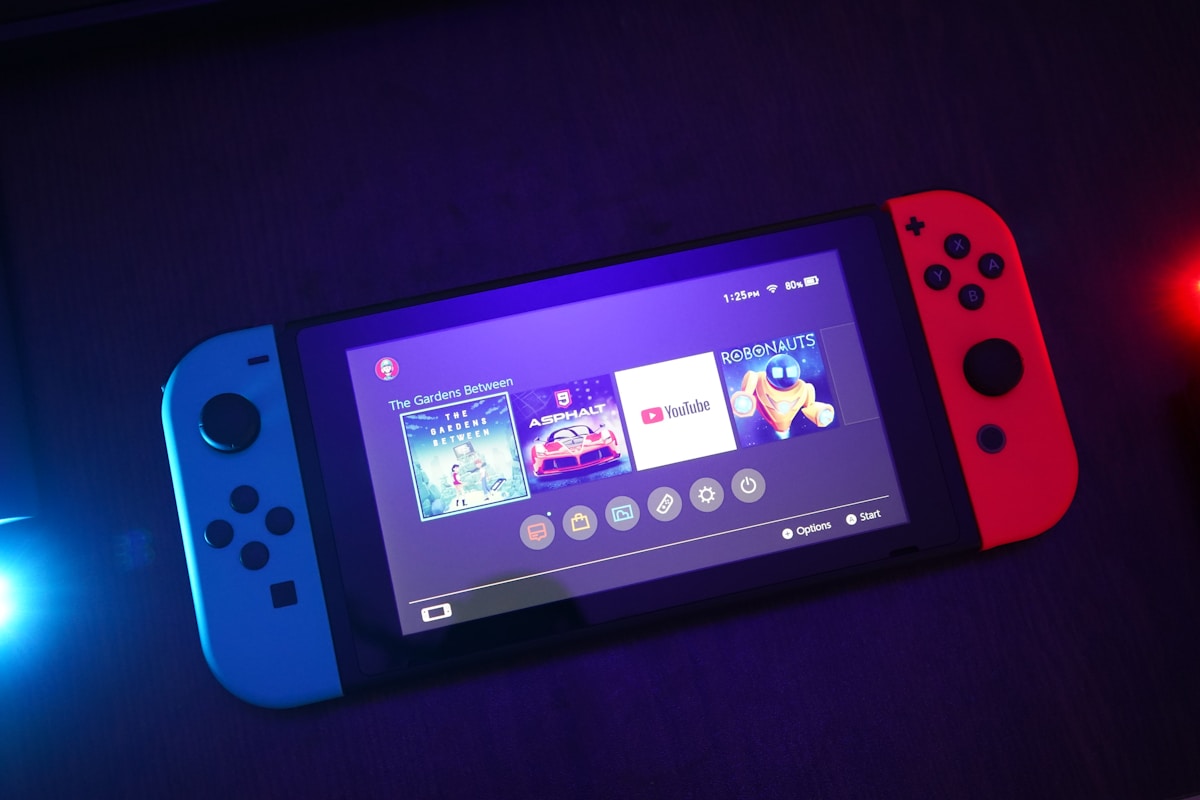
Nintendo is pumping the brakes on Switch 2 production. The company is reportedly reducing manufacturing this quarter as demand in the US market dips below expectations. This is a surprising reversal for what was supposed to be the company's biggest hardware launch in years.
The original Switch was a phenomenon. Hybrid console that works as both a handheld and a TV-connected device? Brilliant. Nintendo sold over 140 million units. The Switch 2 was supposed to ride that momentum with better specs, backward compatibility, and the same winning formula. But something isn't connecting with American consumers.
Is it pricing? The Switch 2 launched at a higher price point than its predecessor, at a time when economic uncertainty has consumers tightening budgets. Is it timing? The console hit the market in a crowded year with major releases on competing platforms. Is it the games? Launch titles matter, and if the Switch 2 lineup didn't excite people, hardware sales suffer.
Or maybe - and this is the uncomfortable possibility - the hybrid console model has hit saturation. Everyone who wanted a Switch bought one. The people who loved it are still playing it. The upgrade proposition isn't compelling enough to drive a new purchase cycle. Better graphics and performance are nice, but they're not revolutionary when the previous generation still works fine.
The global gaming market is in a weird place right now. Hardware cycles are stretching longer. Players are spending more time and money on live-service games rather than new hardware. And the pandemic-era surge in gaming is normalizing. Nintendo might be the first to hit this reality, but they won't be the last.
One commenter on Reddit captured it: "I love my Switch. I don't need a Switch 2 yet. Maybe in a few years." That sentiment, multiplied across millions of potential customers, explains production cuts.
The technology is solid - the Switch 2 is a good console. The question is whether Nintendo mistimed the market. Right now, it looks like they might have.