Chinese supercomputing facilities lost 10 petabytes of data in what appears to be a sophisticated data heist. The scale of the breach—equivalent to millions of high-resolution movies—raises questions about security at research institutions handling sensitive computational work.
Ten petabytes is an absurd amount of data to exfiltrate. To put that in perspective: that's roughly 10 million gigabytes. If you were transferring it over a 1 Gbps connection running 24/7, it would take about three months.
So either someone had access for a very long time, or they had access to extremely high-bandwidth connections directly from the supercomputing facility. Neither scenario suggests good security practices.
What's in 10 petabytes? At supercomputing centers, it could be anything from climate modeling datasets to materials science simulations to molecular dynamics for drug discovery. The computational work done at these facilities is often years ahead of what's publicly available.
The geopolitical implications are significant. If this was state-sponsored espionage, whoever has this data now has years of research they didn't have to fund. If it was sold to commercial interests, companies just got access to computational results that cost millions to generate.
The technical logistics are fascinating. You can't just USB drive 10 petabytes out of a building. This required either network exfiltration over time or physical access to the storage infrastructure itself. Both scenarios suggest insider access or seriously compromised network security.
What's concerning is that we're only hearing about this now. Data breaches of this scale don't happen overnight. Someone had persistent access to these systems for weeks or months without being detected.
Supercomputing facilities handle some of the most valuable computational work being done anywhere. The assumption has been that physical security and air-gapped networks keep that data safe. This breach suggests those assumptions need revisiting.
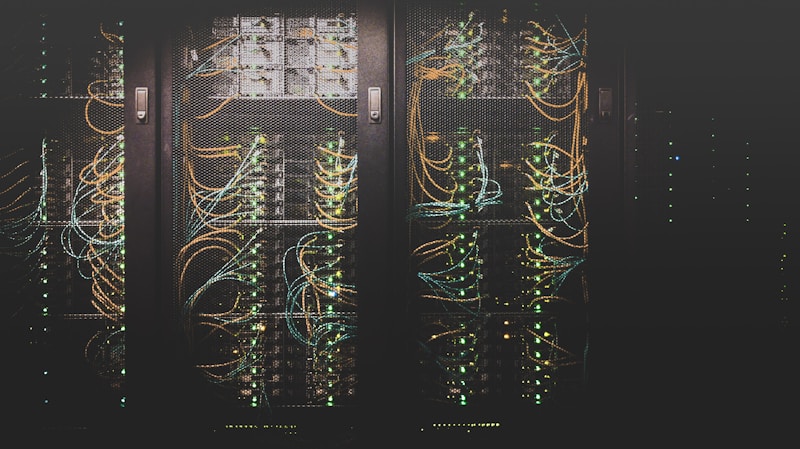
The technology is impressive—massive parallel processing, petabyte-scale storage, high-speed interconnects. The question is whether security kept pace with capability.