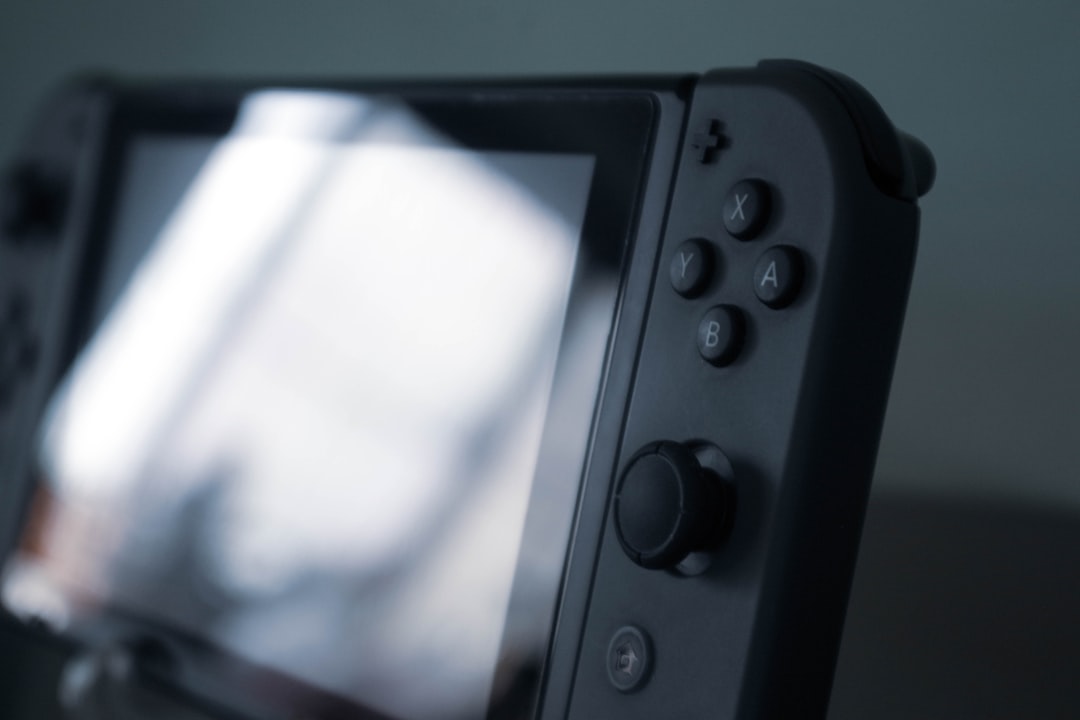
Nintendo has reportedly cut planned production of its Switch 2 console by 33%—slashing 2 million units from its manufacturing forecast—following disappointing holiday sales that signal broader weakness in consumer electronics demand.
The production cut is dramatic. Nintendo had initially planned aggressive output for the Switch 2, betting on strong consumer appetite for its next-generation handheld. Instead, lackluster 2025 holiday performance forced a sharp recalibration. The company is now manufacturing millions fewer units than originally projected, a clear sign that internal sales forecasts missed the mark.
This isn't just a Nintendo story. The 33% reduction points to fundamental shifts in consumer electronics spending. After years of pandemic-driven device purchases, households are saturated with screens. Gaming consoles, tablets, laptops—all are seeing softening demand as consumers extend replacement cycles and tighten discretionary spending.
Nintendo's timing is particularly unfortunate. The Switch 2 represents a major generational upgrade after the enormously successful original Switch sold over 140 million units since 2017. But launching a premium console into a consumer pullback creates challenging dynamics. The company is caught between pricing the device to recoup development costs and keeping it affordable enough to drive adoption in a cautious market.
The broader context matters. Consumer electronics sales have been declining across categories. Apple missed iPhone sales targets. PC shipments are down year-over-year. Even premium headphones and smart home devices are seeing softer demand. Consumers are prioritizing essentials over gadgets, and gaming hardware—no matter how innovative—falls squarely in the discretionary category.
For Nintendo specifically, the production cut raises questions about the Switch 2's market positioning. The original Switch succeeded partly through innovative hybrid design that appealed to both console and portable gamers. If the Switch 2 is primarily an iterative upgrade rather than a revolutionary new platform, consumers may decide their current devices are good enough for another year or two.
The financial implications are significant. Nintendo's market capitalization is built on expectations of strong Switch 2 adoption driving software sales and ecosystem growth. If hardware adoption lags, the entire business model—which relies on selling high-margin games and accessories to a large installed base—faces pressure.