
Across Nigeria, a disturbing question continues to haunt communities: why does "necklacing"—the extrajudicial killing of suspected criminals by burning them alive with fuel-soaked tires—persist despite widespread condemnation and the existence of formal legal institutions?
The practice, which emerged in South Africa during apartheid and spread across the continent, represents a fundamental breakdown in rule of law and public faith in justice systems. In Nigeria's case, it reflects deep frustration with police corruption, court delays, and the perception that formal institutions cannot deliver justice.
"Do average Nigerians seriously condone burning people alive based on an accusation?" asked one Nigerian in an online forum that sparked intense debate. "Lots and lots of innocent lives have been taken away from us based on false accusations for something as simple as calling someone a thief."
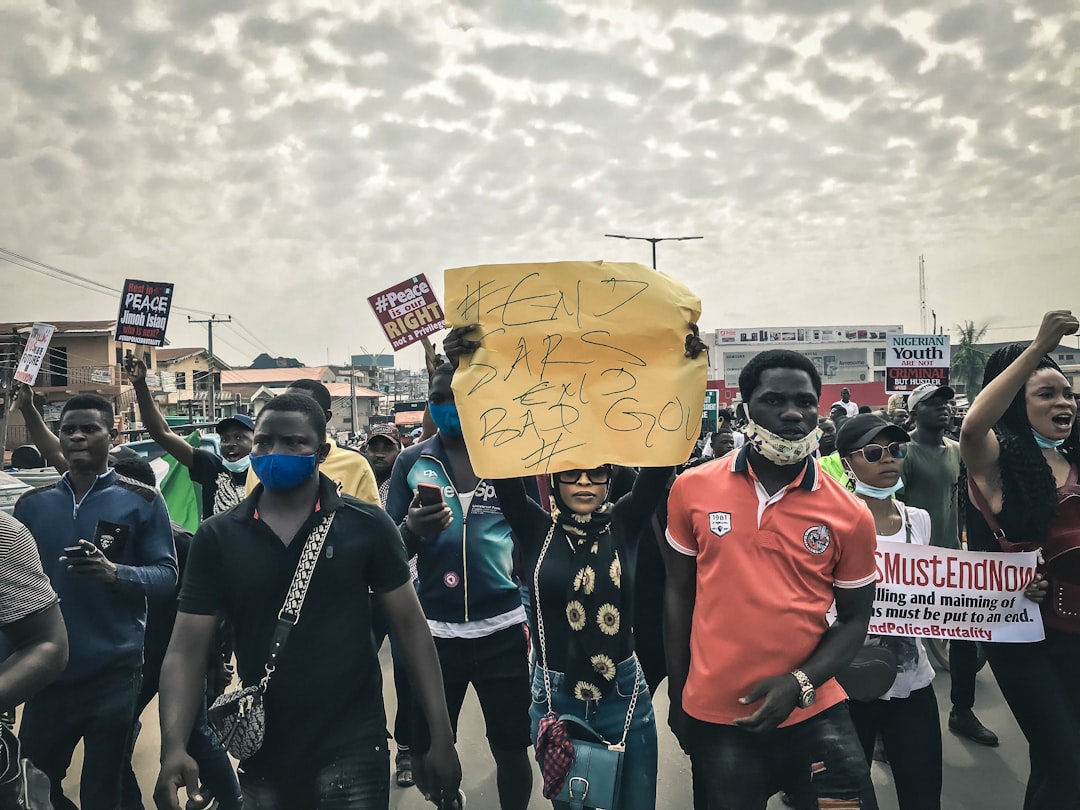
The question exposes uncomfortable truths about Nigeria's governance challenges. When police are viewed as predatory rather than protective, when courts take years to resolve cases, and when bail can mean indefinite detention for those without connections, communities sometimes resort to instant, brutal justice.
Human rights organizations have documented numerous cases where mob killings were based on false accusations, mistaken identity, or minor offenses that would warrant minimal punishment in functional legal systems. The irreversibility of such violence—often carried out before proper investigation—makes it particularly horrific.
In Nigeria, as across Africa's giants, challenges are real but entrepreneurial energy and cultural creativity drive progress. Yet no amount of economic dynamism can substitute for functioning justice institutions that command public trust.
Legal experts point to several factors driving vigilante violence: police stations that demand bribes before accepting reports, prosecutors who dismiss cases without proper investigation, and a bail system that effectively incarcerates the poor while releasing the connected. When formal justice appears purchasable rather than impartial, alternative systems emerge.
The generational divide is significant. Younger Nigerians, particularly those educated and exposed to international norms, overwhelmingly reject mob justice. Older community members sometimes defend it as necessary deterrence given institutional failures. This reflects broader debates about governance, accountability, and the social contract in Nigeria's democracy.