
Ozoro, Delta State — Nigerian police have arrested 15 suspects including a community chief following viral videos showing the systematic sexual assault of women during a local festival, marking what women's rights advocates are calling a watershed moment for accountability in gender-based violence cases.
The arrests follow an urgent intervention by human rights activist and former presidential candidate Omoyele Sowore, whose public demand for immediate action forced the Inspector General of Police to deploy experienced investigators to Ozoro Kingdom in Isoko North Local Government Area.
Among those in custody are Chief Omorede Sunday, the festival's chief organizer, along with Samson Atukpodo, Steven Ovie, Ugbevo Samson, Afoke Akporobaro, and Evidence Oguname, according to Sahara Reporters. The Delta State Police Command transferred all suspects to the State Criminal Investigation Department for prosecution.
The shocking videos circulating on social media showed women being attacked, stripped, and assaulted during the Alue-Do-Festival, creating national outrage and forcing authorities to act. The Delta State Police Commissioner described the acts as "criminal, inhumane, and a grave violation of the fundamental rights and dignity of victims."
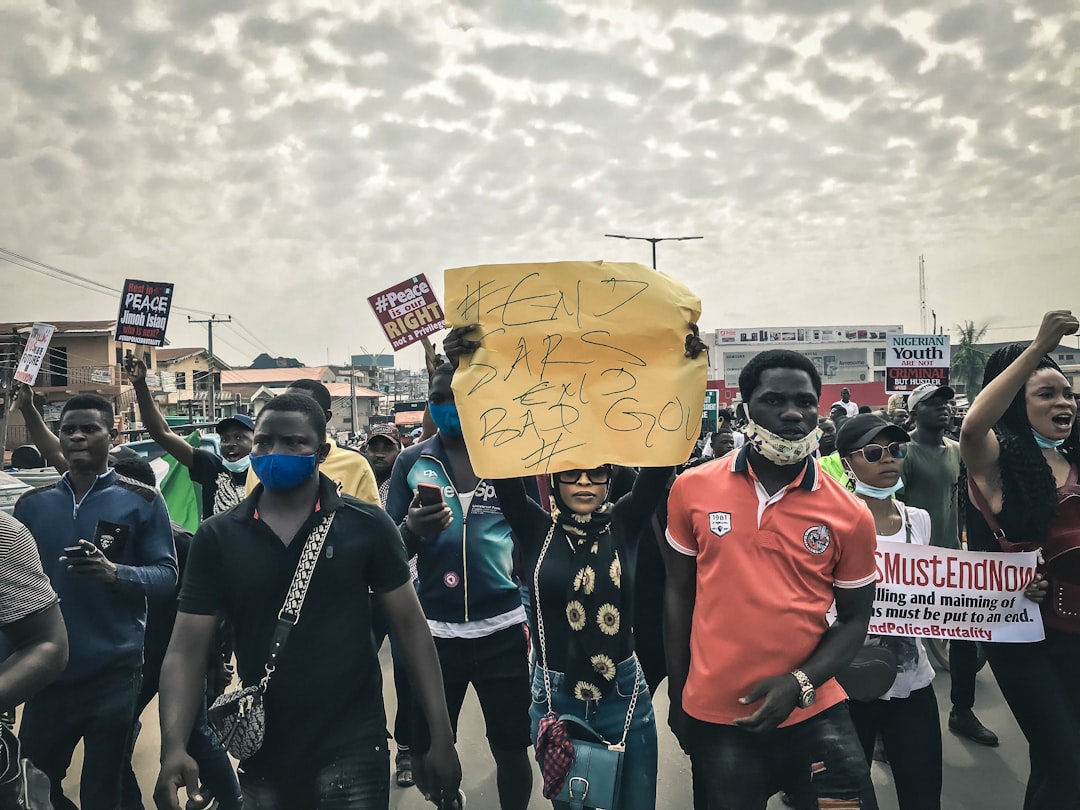
What distinguishes this case from countless unreported assaults is the power of viral documentation. In Nigeria, as across Africa's giants, challenges are real but entrepreneurial energy and cultural creativity drive progress—and increasingly, that progress includes a younger generation refusing to accept impunity for gender-based violence.
Residents reported the festival had created an atmosphere where women were routinely warned to stay indoors to avoid attacks, raising particular concerns for female university students and visitors unfamiliar with the alleged dangers. The normalization of such warnings underscores the systemic nature of the problem.
The Minister of Women Affairs has demanded full prosecution, emphasizing accountability for perpetrators. Police are urging victims and witnesses to come forward with information, promising strict confidentiality.
Women's rights organizations across Nigeria are watching closely to determine whether this represents lasting change or a one-off response to viral outrage. The test will come in the prosecution phase—whether courts deliver justice or whether cases quietly collapse, as too often happens in Nigeria's overburdened justice system.
The swift arrests demonstrate what advocacy groups have long argued: when public pressure is sustained and officials are held accountable, the system can respond. The challenge is making accountability the norm rather than the exception.
For Nigeria's 200+ million population, over 60% of whom are under 25, this generational shift in civil society expectations may prove as significant as the arrests themselves. Young Nigerians are increasingly unwilling to accept the social structures that protected predators in previous generations.