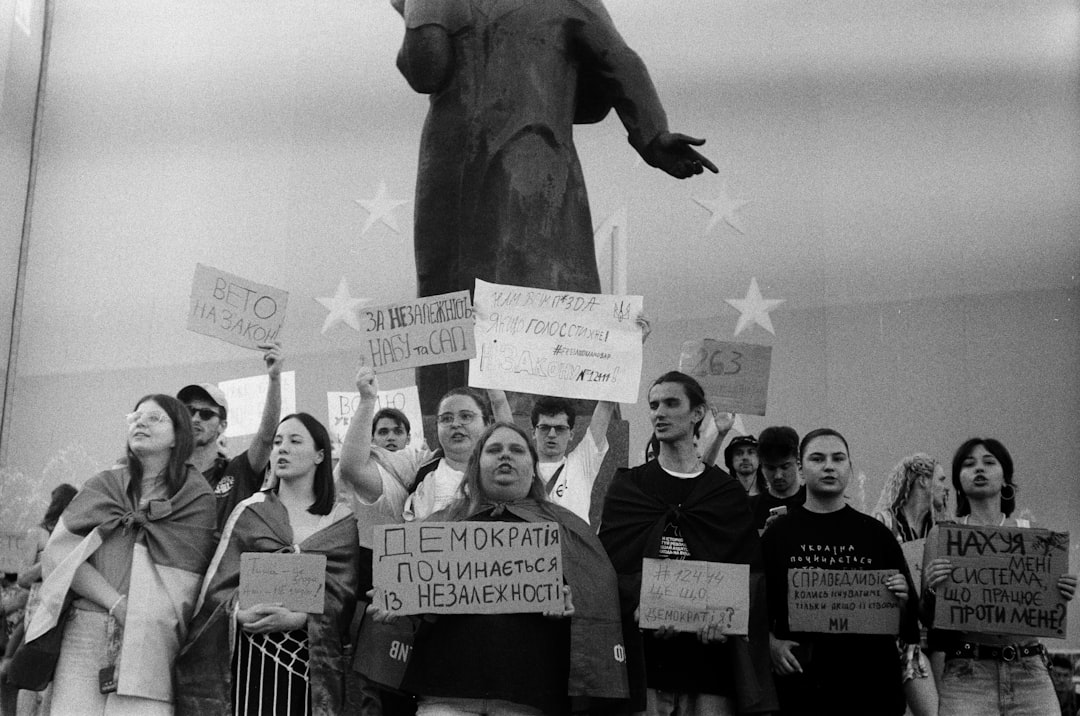

Nigeria's Senate has rejected mandatory electronic transmission of election results, a decision that has ignited fierce debate about electoral integrity and exposed a generational power struggle between tech-savvy youth and the political old guard.
Senate President Godswill Akpabio led the chamber in voting down the measure that would have required the Independent National Electoral Commission (INEC) to transmit results electronically in real-time. The rejection, decried by young Nigerians as "daylight robbery", comes as the country prepares for future electoral cycles.
The decision represents more than a technical dispute about vote transmission. It's a flashpoint in Nigeria's broader struggle over who controls the democratic process. Electronic transmission makes rigging harder, timestamps make manipulation visible, and real-time results reduce opportunities for the ballot-box stuffing and result-sheet switching that have plagued Nigerian elections for decades.
In Nigeria, as across Africa's giants, challenges are real but entrepreneurial energy and cultural creativity drive progress. Yet this Senate vote shows how political elites resist the very transparency that Nigeria's dynamic young population demands. The same generation building fintech unicorns and disrupting industries wants elections that meet basic digital-age standards.
Nigerian youth, who constitute over 60% of the country's 200+ million population, have taken to social media to express outrage. Many are under 25, digitally native, and deeply skeptical of traditional political institutions they view as corrupt and self-serving. For them, rejecting electronic transmission confirms their worst suspicions about leaders who claim to champion democracy while blocking transparency measures.
Civil society organizations including the Yiaga Africa observer group have condemned the Senate's decision. These groups argue that electronic transmission worked successfully in recent governorship elections in states including Ekiti and Osun, demonstrating both technical feasibility and improved credibility.
The Senate's stated concerns—about internet connectivity in rural areas and potential technical failures—ring hollow to critics who note that banks successfully process millions of digital transactions daily across Nigeria, including in remote communities. If Nigerians can transfer money electronically, they ask, why can't INEC transmit vote tallies?
The real fear, analysts suggest, is that electronic transmission eliminates the gap between polling stations and collation centers where results have historically been manipulated. Real-time transmission means observers, party agents, and citizens can immediately verify results against what's announced—making fraud exponentially harder.
The rejection also highlights Nigeria's ethnic and regional political dynamics. Northern senators, whose constituencies often have lower literacy rates and less robust internet infrastructure, expressed particular concerns about electronic transmission. But critics argue these same regions benefit from the current system that enables manipulation.
For Lagos-based tech entrepreneurs and civil society activists, the Senate vote represents a missed opportunity. Nigeria's reputation as Africa's leading technology hub sits uncomfortably alongside electoral systems that lag behind continental peers like Kenya and Ghana, both of which use electronic transmission.
Some young Nigerians are now calling for international pressure, petitioning foreign governments to sanction senators who voted against the measure. Others discuss protests, though previous demonstrations—including the 2020 #EndSARS movement—were met with violent crackdowns that killed dozens.
The Senate decision may also affect investor confidence. Foreign investors already concerned about Nigeria's security challenges now see a political establishment resistant to basic transparency measures. Democratic backsliding raises questions about rule of law and institutional reliability that extend beyond elections.
As Nigeria approaches future polls, the electronic transmission debate will likely intensify. Youth voter registration has surged, driven by citizens determined to change a system they view as rigged against them. Whether the Senate's old guard can maintain control against a digitally empowered generation remains one of Nigeria's defining political questions.
The irony is stark: Nigeria leads Africa in technology adoption, yet its Senate rejects digital solutions for democracy. That contradiction can't hold forever. Either the political establishment adapts, or the entrepreneurial generation demanding transparency will find ways to force change—at the ballot box or through other means.