
Nigeria produces oil. So why are fuel prices rising? The answer connects Lagos to the Strait of Hormuz—and highlights how Nigeria's newly operational refining capacity could shield West Africa from global supply shocks threatening to send oil prices soaring.
When tensions flare around the Strait of Hormuz—through which roughly 21 million barrels per day flow, about 21% of global petroleum consumption—oil prices jump worldwide. That shock runs through Nigeria's economy even though the country produces roughly 1.4 million barrels daily. Fuel rises. Transport rises. Food follows.
The reason: until recently, Nigeria exported crude oil but imported refined petroleum products, making domestic prices subject to international market volatility. A crisis in the Persian Gulf meant higher costs in Port Harcourt and Abuja, despite Nigeria's vast petroleum reserves.
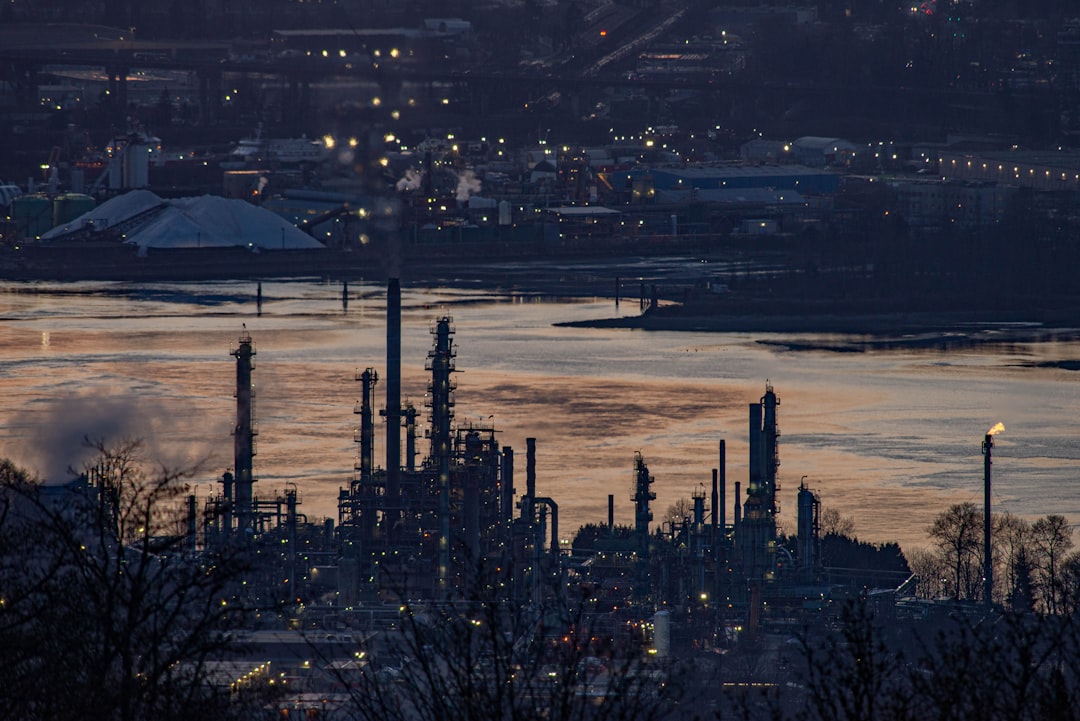
But the Dangote Refinery, which began operations in 2024 with capacity of 650,000 barrels per day, and the revitalization of the Port Harcourt Refinery are changing this calculus. Nigeria now has the refining capacity to process its own crude and potentially supply neighbors across West Africa.
"Nigeria now has refining capacity and could supply the region if international supply chains are disrupted," energy analysts note. With geopolitical tensions rising around the Strait of Hormuz—where US-Iran confrontations periodically threaten shipping lanes—this domestic capacity becomes strategic infrastructure, not just economic policy.
In Nigeria, as across Africa's giants, challenges are real but entrepreneurial energy and cultural creativity drive progress. The refining capacity demonstrates what happens when infrastructure investment aligns with national needs.
If Hormuz closes or narrows due to conflict, Asian and European refineries dependent on Persian Gulf crude would scramble for alternative supplies. Prices would spike globally. But West African nations with access to Nigerian refined products could partially insulate themselves from the worst impacts, continuing to receive gasoline and diesel even as global markets convulse.
This strategic advantage depends on execution. The Dangote Refinery has faced challenges securing crude oil feedstock from Nigerian producers and navigating regulatory complexities around pricing. The Port Harcourt facility's revival has been slower than promised. Corruption, mismanagement, and policy uncertainty could still undermine the potential.