
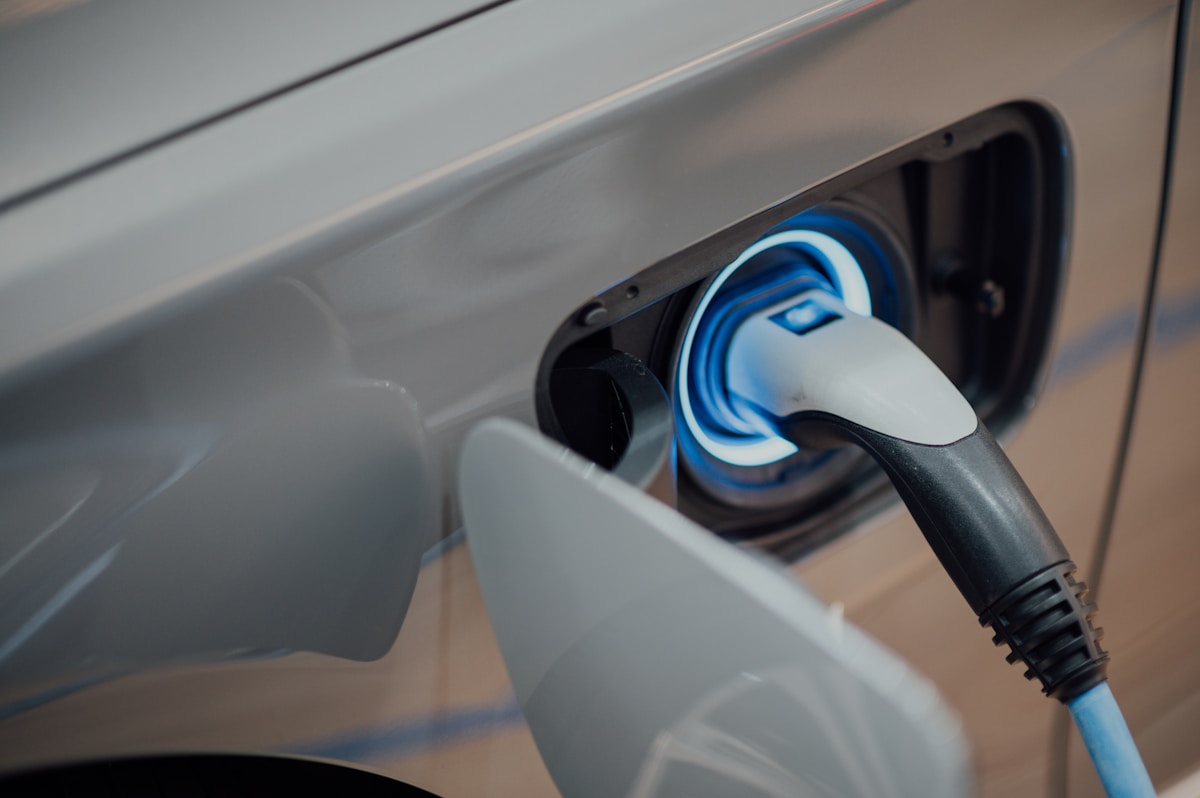
Lagos — Nigeria is making a bold push to become Africa's first electric vehicle manufacturing country, with government officials and private sector partners announcing ambitious plans to establish domestic EV production within the next two years.
The initiative, reported by Nairametrics, positions Nigeria to leapfrog continental rivals in the race to capture Africa's emerging electric mobility market. With 200+ million people and Africa's largest economy, Nigeria offers the scale that could make EV manufacturing commercially viable.
But the question industry analysts are asking isn't whether Nigeria has the ambition—it's whether the country has the infrastructure. "The real test is whether this is genuine manufacturing or just assembly," said one Lagos-based automotive analyst who requested anonymity. "Assembly operations that bolt together imported components are valuable, but they're not the same as building an integrated supply chain."
Nigeria's notorious power grid challenges pose the most obvious obstacle to EV adoption. How do you charge electric vehicles in a country where electricity supply remains erratic? The irony isn't lost on Nigerians: the nation that exports crude oil struggles to keep the lights on.
Yet in Nigeria, as across Africa's giants, challenges are real but entrepreneurial energy and cultural creativity drive progress. Nigerian innovators have spent years developing workarounds for infrastructure gaps—from fintech solutions that revolutionized banking without universal internet access to logistics startups that deliver packages despite terrible roads.
The EV initiative builds on Nigeria's automotive assembly experience. Companies like Innoson Vehicle Manufacturing already produce vehicles domestically, proving that Nigerian manufacturing can work when properly supported. The question is whether government policy will provide the sustained backing—tax incentives, import duty structures, and regulatory clarity—that makes EV production competitive.
Global context matters too. As Chinese, European, and American automakers flood markets with electric vehicles, African countries face a choice: become manufacturing hubs or simply import finished products. Nigeria is betting that its market size, relatively educated workforce, and regional influence make domestic production viable.
The environmental case is straightforward. Africa contributes minimally to global emissions but suffers disproportionately from climate impacts. Electric vehicles powered by renewable energy could reduce urban air pollution in Lagos and Abuja while cutting fuel import bills that drain foreign exchange reserves.
Skeptics point to previous industrial policy failures—abandoned manufacturing zones, unfulfilled promises, and initiatives that collapsed when political winds shifted. Nigeria's history is littered with ambitious projects that never materialized.
But proponents argue this time is different. The global EV market is expanding rapidly, creating genuine commercial opportunities rather than government-subsidized white elephants. If Nigerian manufacturers can capture even a fraction of the domestic market—let alone export to neighboring West African countries—the economics could work.
"The infrastructure challenges are real," acknowledged a government spokesperson. "But they're also solvable. Solar-powered charging stations, partnerships with private electricity providers, and phased rollout in cities with better grid reliability can all address these concerns."
The initiative also aligns with Nigeria's climate commitments and the growing recognition that the country's oil-dependent economy needs diversification. Electric vehicle manufacturing represents exactly the kind of high-value industrial activity that could create jobs for Nigeria's young, educated population—over 60% of Nigerians are under 25.
Whether Nigeria becomes Africa's first genuine EV manufacturing hub or joins the long list of ambitious announcements that fizzled depends on execution. But the attempt itself signals Nigerian determination to shape Africa's industrial future rather than simply consume products made elsewhere.