
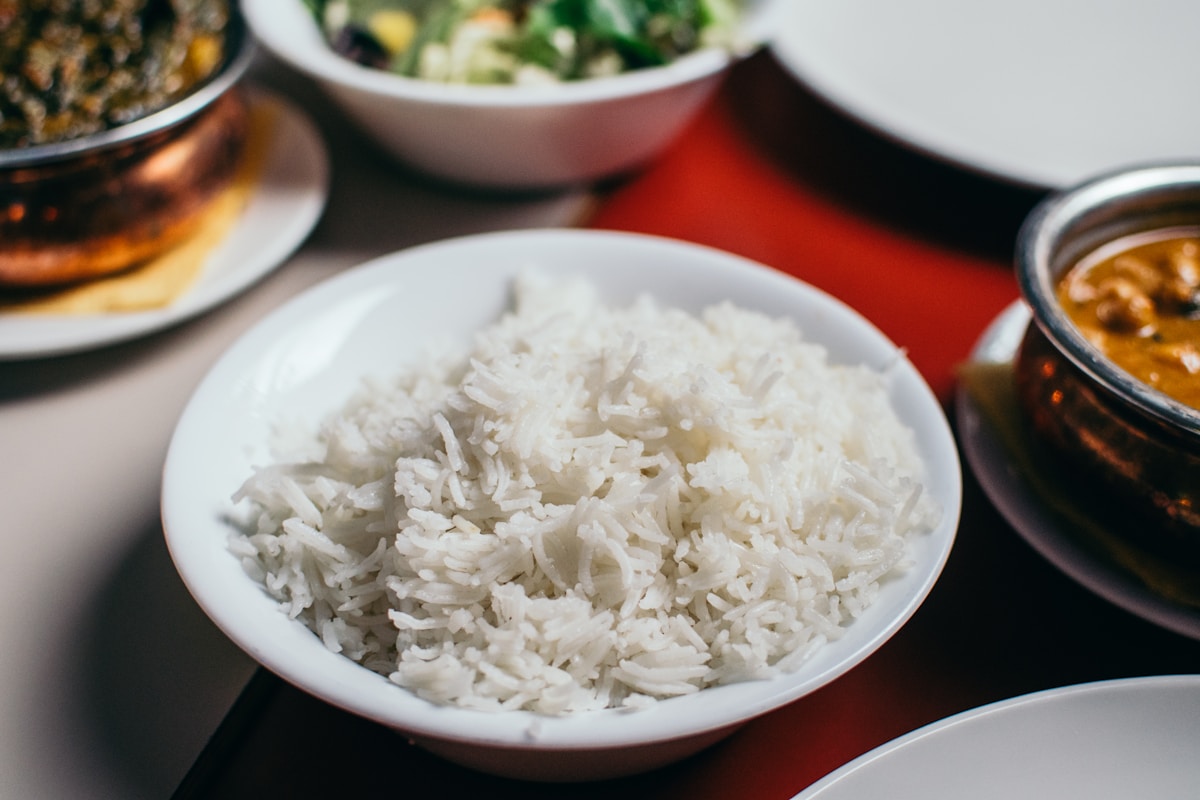
Public health advocates are sounding alarms about Nigeria's surging diabetes rates, pointing to dietary habits—particularly massive rice consumption—as a major driver of what experts describe as a preventable health crisis.
"We take rice too seriously," argued a viral post on Nigeria's subreddit that sparked extensive discussion about food culture, import dependency, and health outcomes. The poster noted that white rice has "one of the highest glycemic index" ratings, meaning it rapidly spikes blood sugar—yet Nigerians consume it daily, often in "mountains" rather than the modest portions health experts recommend.
The numbers are concerning. Diabetes has become one of the leading causes of death in Nigeria, a trend health professionals directly link to carbohydrate-heavy diets dominated by white rice and starchy swallows consumed in large portions. The health impact extends beyond individual choices to become a national crisis affecting productivity and healthcare systems.
"We are not a country that is very abundant in rice and heavily rely upon on imports," the original poster noted, connecting dietary habits to economic vulnerability. Nigeria spends billions of dollars annually importing rice to satisfy domestic demand—demand driven partly by cultural preferences that health experts now warn is unsustainable.
The problem isn't rice itself, but how Nigerians consume it. Health professionals recommend portions no larger than a cup, accompanied by vegetables and proteins to moderate blood sugar impact. Yet Nigerian food culture typically features rice as the dominant component of meals, with "small small proteins that they give you in church and school" rather than balanced proportions.
The post highlighted that even within rice varieties, choices matter. Nigeria produces ofada (wild) rice, which has a lower glycemic impact than imported white rice. Yet consumer preference gravitates toward polished white rice despite the health differential.
Comparisons to Asian rice consumption miss crucial differences. "Asians eat it in smaller portions than we do," the poster explained, noting that Asian meals typically feature rice alongside substantial vegetables and proteins—a balance often absent in Nigerian meals. Additionally, Nigeria lacks the rice-growing infrastructure of Asian countries, making heavy consumption both economically and nutritionally problematic.