
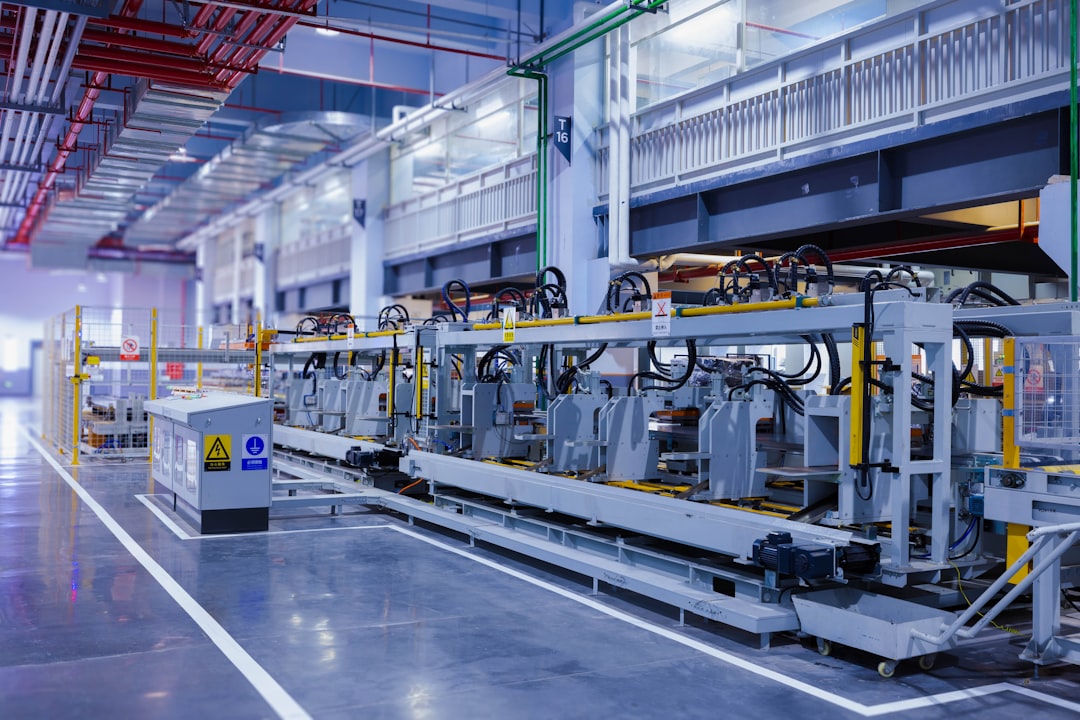
Japanese precision motor manufacturer Nidec Corporation has uncovered over 1,000 cases of manufacturing misconduct, according to Asahi Shimbun reporting, marking the latest in a troubling pattern of quality control failures at major Japanese manufacturers.
The violations, discovered during an internal investigation, span multiple production facilities and include improper testing procedures, falsified quality data, and deviations from approved manufacturing processes. The scope of the misconduct suggests systemic failures in oversight rather than isolated incidents.
Nidec, a global leader in precision motors used in everything from hard disk drives to electric vehicles, employs over 100,000 people worldwide and generates annual revenue exceeding $15 billion. The company's motors are critical components in countless electronic devices and industrial applications, making quality control failures particularly concerning.
The revelations follow a familiar and disturbing pattern in Japanese manufacturing. In recent years, major corporations including Kobe Steel, Mitsubishi Materials, Toray Industries, and Takata have all admitted to systematic quality data falsification or manufacturing irregularities. The recurrence of such scandals points to deeper structural problems in Japanese corporate culture.
At the heart of these failures lies a tension between Japan's reputation for precision and quality—embodied in concepts like monozukuri (ものづくり, craftsmanship)—and the pressures of global competition, cost reduction, and unrealistic production targets. When those pressures overwhelm quality control systems, the results can be catastrophic.
The Takata airbag scandal provides the most tragic example. Defective airbag inflators, whose problems were concealed for years, ultimately caused at least 27 deaths and 400 injuries worldwide. The company filed for bankruptcy in 2017, and recalls affected more than 100 million vehicles globally.
Nidec's violations appear less immediately dangerous, focused on internal quality procedures rather than safety-critical defects. But the scale—over 1,000 separate incidents—suggests a culture where cutting corners became normalized.
Japanese corporate governance bears significant responsibility. Many Japanese companies maintain hierarchical structures that discourage lower-level employees from reporting problems to senior management. The cultural premium on harmony (, 和) and avoiding confrontation can prevent whistleblowers from coming forward until problems become too large to hide.