Nicolas Cage was adamant about not doing television. Then his son sat him down during COVID, showed him Breaking Bad, and everything changed because of one scene: Bryan Cranston staring at a suitcase.
"I saw Bryan Cranston staring at a suitcase for what seemed like minutes," Cage told Variety. "I couldn't take my eyes off him, and all he was doing was staring at a suitcase, and it occurred to me that you can't do that in movies: You don't have the time."
That's it. That's the entire shift that brought one of cinema's most distinctive actors to television. Not money. Not streaming dominance. Not even the prestige TV revolution everyone else saw coming a decade ago. Just Bryan Cranston and a suitcase and the luxury of time.
Cage explained his previous resistance to TV came from wanting to avoid anything "too homogenized or that was like everybody else." But watching Breaking Bad during lockdown, he realized the format could offer something film no longer could: "With an eight-hour narrative I can start planting seeds for a character that can bloom into something that I don't have the luxury of time to do in a movie."
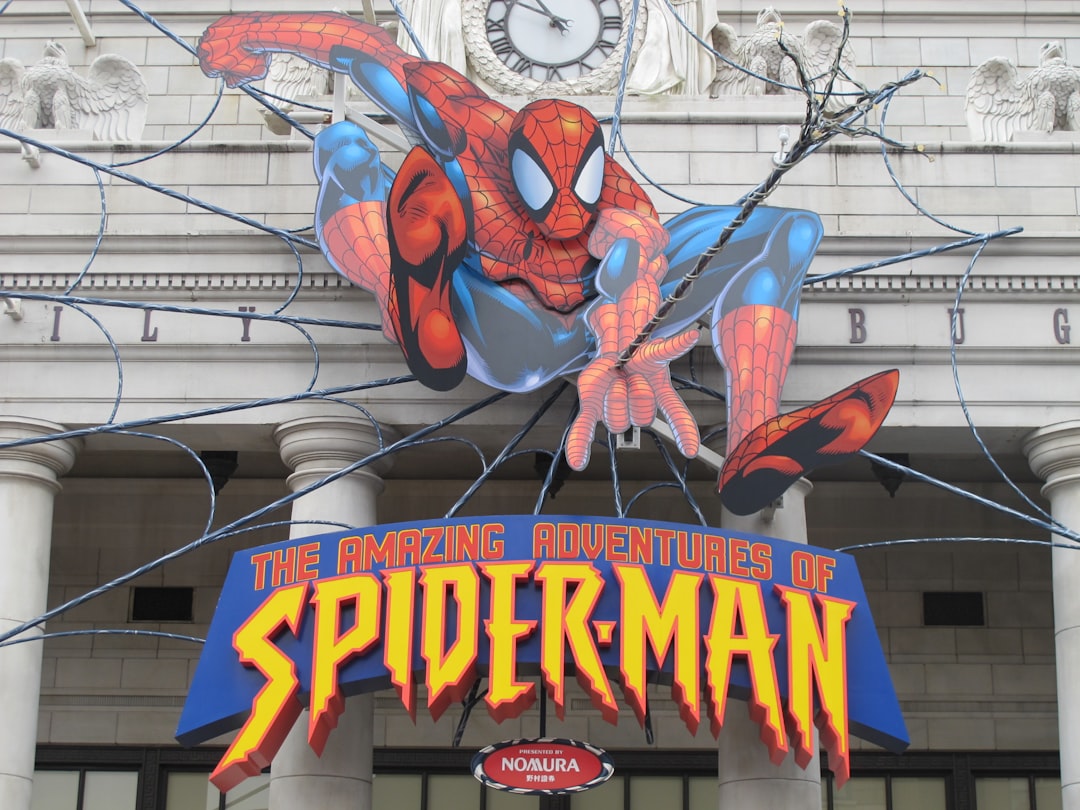
The result is Spider-Noir, the new series where Cage plays a hard-boiled detective in 1930s New York. It's pure Cage—stylized, intense, larger than life—but with the runway to develop character in ways his recent films haven't allowed.
And here's what's fascinating: Cage is late to this party, but he's right about why he's here. The film vs. TV debate has mostly focused on budgets, talent migration, and theatrical vs. streaming. But Cage has identified something more fundamental—.