
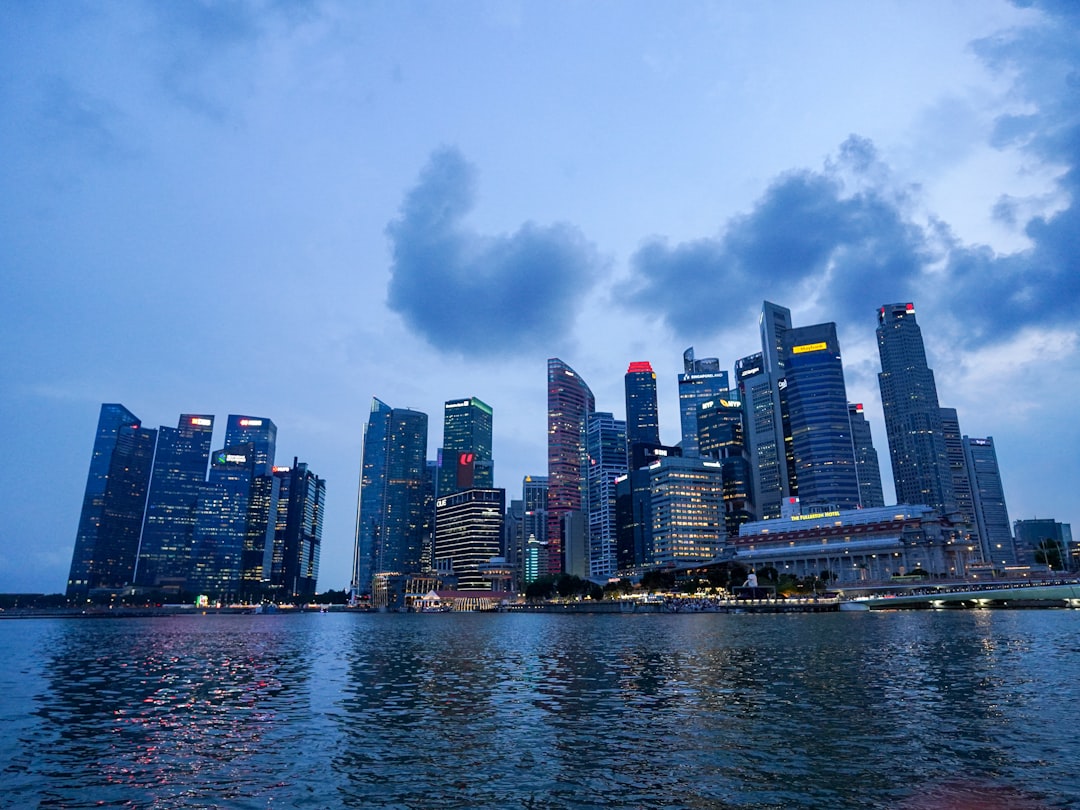
Prime Minister Christopher Luxon has committed to prioritizing food exports to Singapore, calling the city-state "a real priority for New Zealand" as Southeast Asian nations seek to diversify food sources amid climate concerns and geopolitical uncertainty.
The commitment, made during talks with Singapore officials, positions Wellington as a reliable agricultural partner at a time when food security has become a strategic imperative for resource-poor nations, according to The Straits Times.
Singapore imports more than 90 percent of its food, making supply chain reliability a matter of national security. The city-state has been actively diversifying its food sources and investing in domestic production capacity since the pandemic exposed vulnerabilities in global supply chains.
For New Zealand, the relationship offers both economic opportunity and diplomatic leverage. Kiwi agricultural exports—particularly dairy, meat, and fresh produce—command premium prices in Singapore's affluent market. But the relationship goes beyond commerce.
In an era of great power competition between China and the United States, food security partnerships give smaller nations like New Zealand diplomatic influence. Singapore is a critical hub in Southeast Asia, with outsized importance in finance, technology, and regional security despite its small size.
By positioning itself as a reliable food supplier, Wellington strengthens ties with a nation that sits at the crossroads of major powers' competing interests. It's soft power through agriculture—something has been quietly practicing across the for decades.