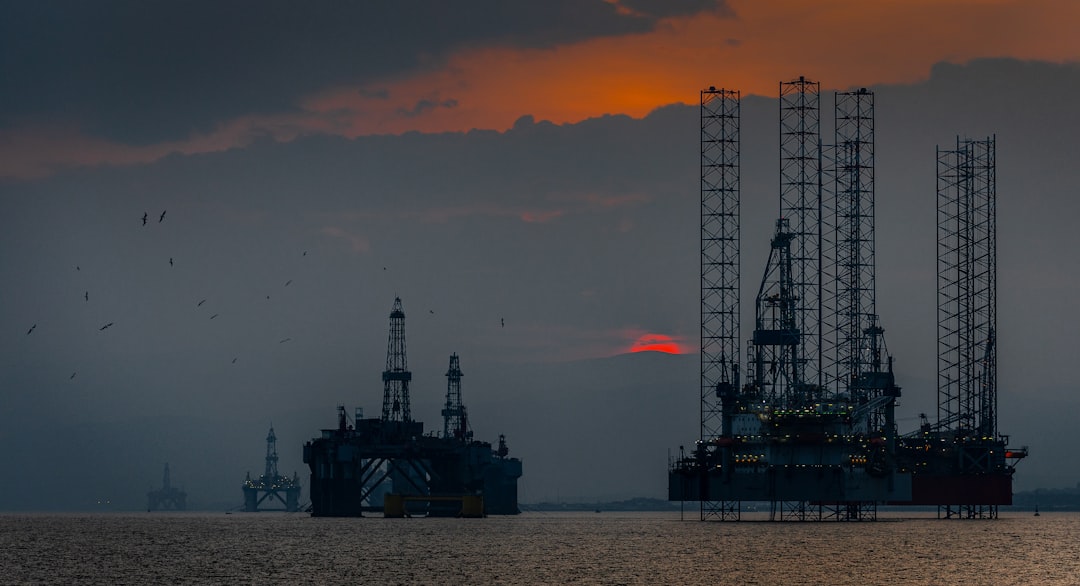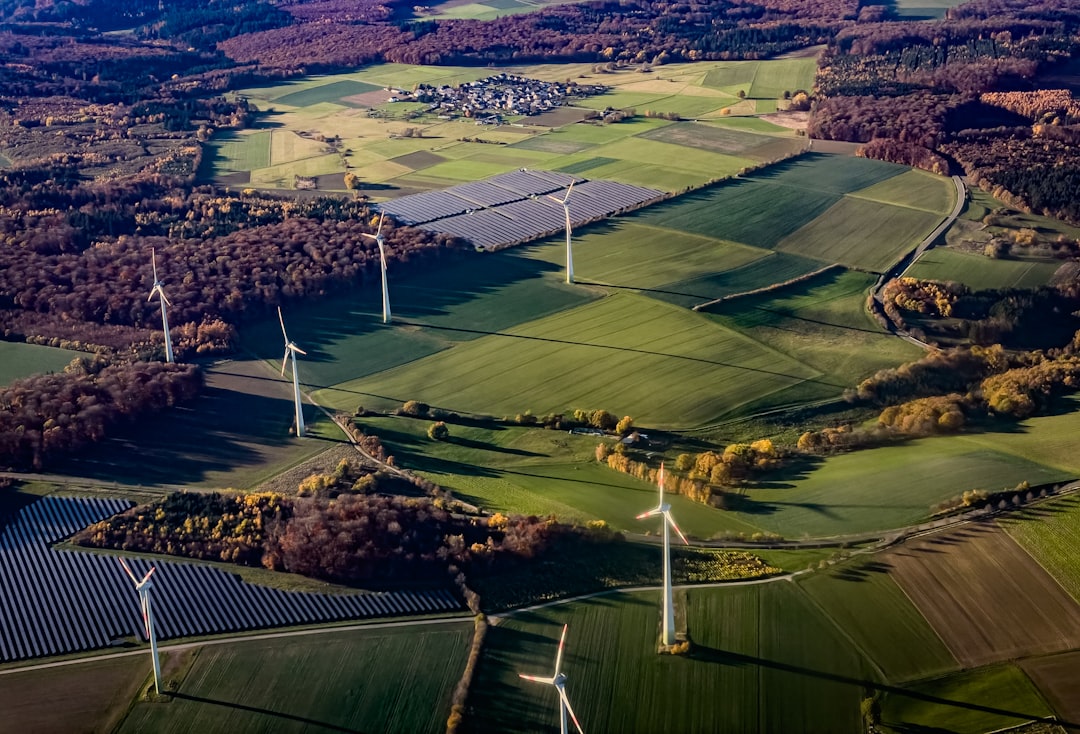
Fresh research challenges the New Zealand government's push for LNG imports, showing renewable electricity can power the nation's future demand including transport and industrial electrification without new fossil fuel infrastructure.
The modeling, published in The Conversation, directly contradicts the National government's argument that New Zealand needs liquefied natural gas imports to meet growing electricity demand. Instead, researchers show wind, solar, hydro, and geothermal can do the job.
The findings intensify debate over a proposed LNG terminal that could lock New Zealand into fossil fuel infrastructure for decades. If renewables can meet demand, critics ask, why invest billions in gas infrastructure that will become stranded assets?
Mate, this is exactly the kind of analysis that cuts through political spin. The government says gas is necessary. Independent researchers say it's not. Now we have a real policy debate based on actual data.
The National-led government has made energy security a priority, arguing New Zealand faces electricity shortages without new gas supply. They point to the Taranaki gas fields' decline and growing demand from electric vehicles and industrial processes.
But the new modeling shows New Zealand can build enough renewable capacity to cover that demand. Wind farms, solar installations, and geothermal development can scale faster than gas infrastructure, with no emissions and no exposure to volatile global gas markets.
The timing is crucial. New Zealand is debating the LNG terminal investment right now. If the government commits to gas infrastructure based on flawed demand assumptions, taxpayers and electricity users will pay the price for decades.
The climate implications are obvious. New Zealand has committed to net-zero emissions by 2050. Every dollar spent on fossil fuel infrastructure is a dollar not spent on renewables, and every ton of gas burned is a ton of emissions that has to be offset elsewhere.
The research also matters for 's Pacific leadership. Small island nations are on the front lines of climate change, and they're watching whether backs its climate rhetoric with action or locks in fossil fuels.