
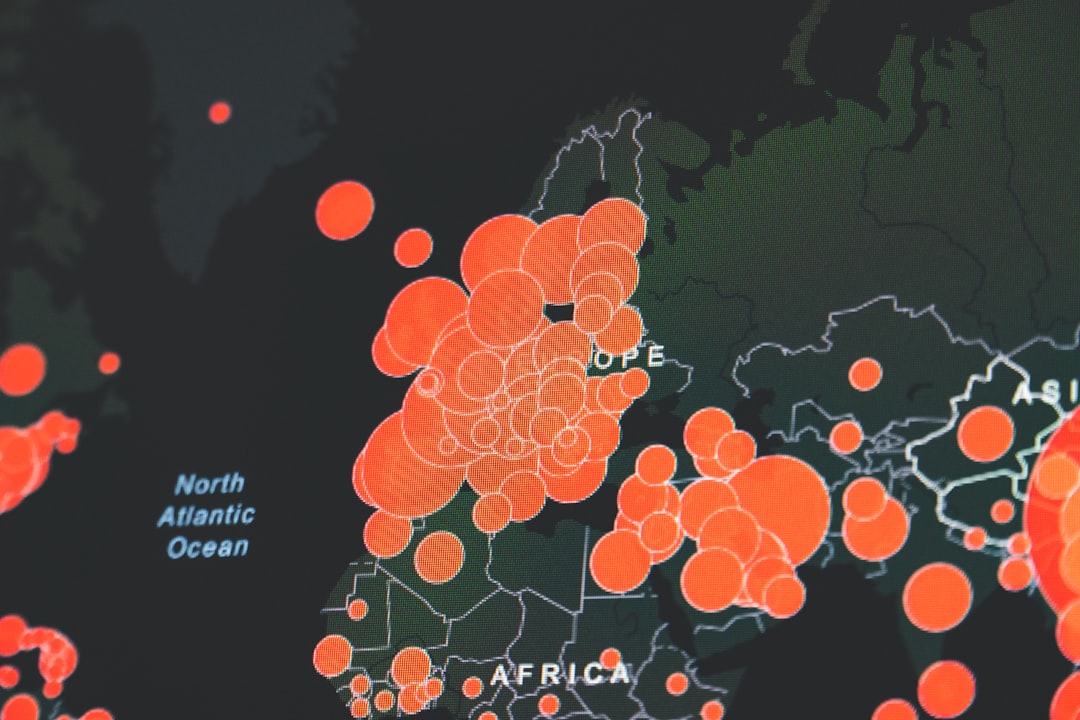
New Zealand has rejected new World Health Organization pandemic preparedness rules, placing it alongside Robert F. Kennedy Jr. and a handful of other countries opposed to strengthened international health coordination. Health experts say the decision "makes no real sense" given New Zealand's experience with COVID-19 and Pacific vulnerability to pandemics.According to The Conversation, Wellington formally notified the WHO Director-General on March 16 that it would reject the 2024 amendments to the International Health Regulations.The amendments, agreed by 196 countries at the World Health Assembly in 2024, aim to strengthen global pandemic prevention and response coordination. They include earlier warning systems, improved information sharing, and enhanced support for developing nations to detect and respond to disease outbreaks.This is a bizarre policy shift that puts New Zealand out of step with Pacific partners who desperately need pandemic coordination. Pacific Island nations are particularly vulnerable to disease outbreaks due to limited healthcare infrastructure, geographic isolation, and climate pressures that can exacerbate health crises.New Zealand successfully managed COVID-19 through its initial elimination strategy, demonstrating the value of strong public health coordination. The country's rejection of enhanced international pandemic rules seems to contradict that experience.Health policy experts quoted in The Conversation expressed confusion about the decision. New Zealand has traditionally been a strong supporter of multilateral health cooperation and played an active role in Pacific health security initiatives.The rejection aligns New Zealand with RFK Jr., the controversial anti-vaccine activist now serving as US Health Secretary under President Trump. The United States, Slovakia, and a small number of other countries have also rejected the amendments, but most WHO member states accepted them.It remains unclear who made the decision. Some reports suggest it was a decision rather than coming from the Ministry of Health, raising questions about whether health considerations drove the policy.For Pacific Island nations, the decision is particularly concerning. Countries like , , , and rely on regional health cooperation to respond to disease outbreaks. The WHO amendments would have strengthened early warning systems and resource sharing that benefit small island states.During the COVID-19 pandemic, Pacific nations faced severe challenges accessing vaccines, medical supplies, and expertise. Enhanced international coordination was meant to address these inequities by ensuring faster response and better resource distribution.The government's rejection also complicates 's climate diplomacy in the Pacific. Island nations increasingly link health security to climate change, as rising temperatures expand disease vectors like mosquitoes and extreme weather events damage health infrastructure.Opposition health spokesperson has criticized the decision, calling for transparency about who made it and why. Labour argues the government is undermining 's international health commitments without clear justification.Public health researchers note that pandemics don't respect borders. In an interconnected world, refusing to participate in coordinated response mechanisms weakens everyone's security, particularly in a region like the Pacific with high mobility and shared health challenges.Mate, we need to examine who made this decision and why Wellington is breaking with regional consensus. Pacific Island nations have been watching, and this isn't the leadership they need from their largest neighbor.
|